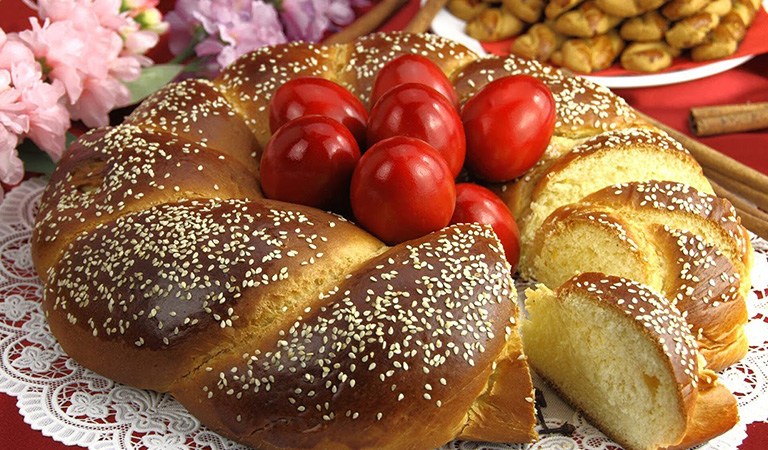


Many years ago, as a child, I found myself utterly captivated by the Easter holiday. The concept of our Savior rising from the dead, combined with the vibrant, colorful eggs we would dye, the little bunny rabbits hiding treasures, and the endless supply of chocolate treats, created an enchanting atmosphere that filled my heart with joy.
However, fast forward to my adult years, and I find that the excitement has sadly faded. The rituals of fasting for Lent, having ashes placed on my forehead by the priest, and donning my Sunday best simply do not evoke the same joy they once did.
That said, I have some good news to share: I’ve been sober since November 2024, and as a result, I am genuinely looking forward to enjoying a cold drink after Easter. Therefore, I feel as though I have done my part in preparing for the holiday. Typically, Easter falls in April, specifically on the third Sunday of the month. For instance, the last time it was celebrated in March was on March 27, 2016.
Before we delve deeper into Easter Sunday, let’s first explore how many people celebrate this holiday. For example, families often gather for barbecues, visit loved ones, attend church services, and host Easter egg hunts in local parks. Furthermore, many communities organize events that foster togetherness, such as parades and community picnics. Ultimately, these activities not only enhance the festive spirit but also strengthen the bonds among friends and family.
Moreover, Easter Sunday holds great significance for many people around the world, particularly Christians, as it commemorates the resurrection of Jesus Christ. Although traditions and customs can vary widely by culture and region, common activities include:
- Religious Services: Many Christians attend church services on Easter Sunday, which often feature special prayers, hymns, and sermons focused on the resurrection.
- Easter Egg Hunts: In many cultures, children eagerly participate in Easter egg hunts, searching for eggs that are typically hidden in yards or parks. These eggs may be beautifully decorated and filled with candy or small toys.
- Family Gatherings: Easter often serves as a time for family reunions, where loved ones come together to share meals and celebrate.
- Festive Meals: Many families prepare special meals to celebrate Easter, which can include traditional dishes that vary by culture. Common foods might include lamb, ham, or egg dishes, accompanied by seasonal vegetables and desserts.
- Easter Baskets: Children frequently receive Easter baskets filled with chocolates, candies, and small gifts. These delightful surprises are usually given in the morning of Easter Sunday.
- Springtime Activities: Since Easter occurs in the spring season in many parts of the world, people often engage in outdoor activities, relishing the warmer weather and blooming flowers.
- Decorating: Many individuals decorate their homes with Easter-themed decorations, such as eggs, bunnies, and vibrant spring flowers.
- Acts of Charity: Some people choose to focus on giving back during Easter by participating in charitable activities or community service.
Easter Sunday marks the culmination of significant events observed in Christianity during Holy Week, which commemorates the last week of Jesus Christ’s life on Earth. To illustrate, here’s a brief overview of the key events leading up to Easter Sunday:
- Lent: This 40-day period of fasting, prayer, and penance begins on Ash Wednesday and concludes on Holy Saturday. It symbolizes the 40 days Jesus spent fasting in the desert.
- Palm Sunday: This day marks Jesus’ triumphant entry into Jerusalem, greeted by crowds waving palm branches and proclaiming him as king. It signifies the beginning of Holy Week and the recognition of Jesus as the Messiah.
- Holy Monday to Holy Wednesday: Various events and teachings unfold during these days, including Jesus cleansing the temple, teaching in the temple, and the anointing of Jesus by Mary of Bethany. These days reflect Jesus’ final teachings and actions before his crucifixion.
- Maundy Thursday: This day features several significant events, including:
- The Last Supper: Jesus shares a final meal with his disciples, during which he establishes the Eucharist (Communion).
- The Washing of the Disciples’ Feet: This act demonstrates humility and service.
- Jesus’ Agony in the Garden: He prays in the Garden of Gethsemane, experiencing deep anguish over his impending crucifixion. These events emphasize themes of sacrifice and the establishment of a new covenant.
- Good Friday: This day is marked by several critical events:
- Jesus’ Arrest: Betrayed by Judas Iscariot.
- Trial: Jesus is tried before the Sanhedrin, Pontius Pilate, and Herod.
- Crucifixion: Jesus is sentenced to death and crucified.
- Death: He dies on the cross, and his body is taken down and laid in a tomb. This day commemorates the suffering and death of Jesus, reflecting on the significance of his sacrifice for humanity’s sins.
- Holy Saturday: Observed in somber reflection and mourning, this day sees Jesus’ body remaining in the tomb. It is a day of waiting and preparation for the celebration of the resurrection.
- Easter Sunday: This day celebrates the resurrection of Jesus from the dead, which is regarded as the foundation of Christian faith. It signifies victory over sin and death, offering believers the hope of eternal life.
In conclusion, these events weave together a narrative leading up to Easter Sunday, each holding profound theological significance within the Christian tradition. Furthermore, the entire Holy Week serves to spiritually prepare believers for the joyous celebration of the resurrection of Jesus.
#EasterSunday #StLouis #EasterTraditions #FamilyCelebrations #EasterEggHunt #Resurrection #ChurchServices #Easter2023