
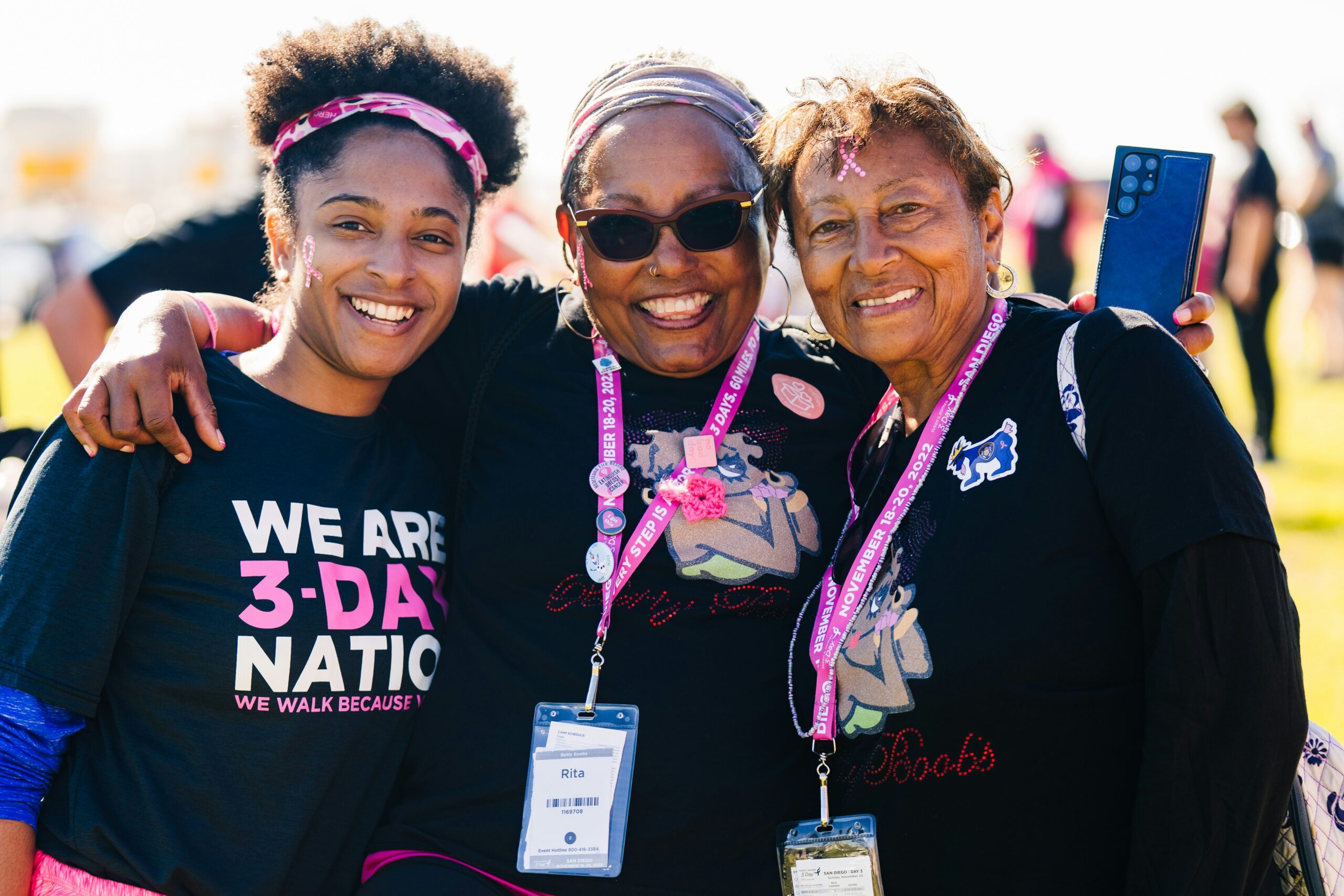
Across America, far too many Black women face breast cancer without the emotional support they deserve. The journey is often isolating, and the disparities in care and compassion are real. As October marks the beginning of Breast Cancer Awareness Month—a time to recognize that this disease affects not only women but men as well—we’re honored to spotlight voices that need to be heard.
That’s why I would like to share their powerful story here on The Narrative Matters’ site. These contributors journey through diagnosis, treatment, and resilience is one that speaks to the heart of what this month is truly about.
From Steel City to Healing: My Journey Through Breast Cancer
By: Camille J.
I never imagined that at 35, I’d be writing about cancer. Breast cancer. The kind that doesn’t care that you’re young, vibrant, raising two kids, or just starting to feel like you’ve finally figured life out.
📍 Pittsburgh: Where It All Began
I was living in Pittsburgh when I found the lump. It was small, barely noticeable, but something told me not to ignore it. A mammogram, then a biopsy, and suddenly I was sitting in a sterile room hearing the words: “You have invasive ductal carcinoma.”
I remember staring at the doctor, trying to process the syllables. My husband, Marcus, squeezed my hand so tightly I thought he might break it. But I needed that grip. I needed something to anchor me as my world tilted.
💔 The Chemo Chronicles
Chemo was brutal. I lost my hair, my appetite, and sometimes, my hope. My kids—Jalen, 10, and Amaya, 7—watched me transform from the mom who danced in the kitchen to someone who barely had the energy to climb the stairs.
Marcus became my rock. He cooked, cleaned, braided Amaya’s hair, and held me when I cried at 3 a.m. But cancer tests a marriage. There were days we snapped at each other, days I felt guilty for being sick, and nights we lay in silence, both afraid to ask, “What if?”
🏥 Returning Home to Heal
After my third round of chemo, my oncologist suggested a more aggressive treatment plan. That’s when I decided to return to my hometown—St. Louis. The Siteman Cancer Center had a clinical trial that gave me a sliver of hope. More than that, I needed to be near my mother, my sisters, my roots.
Coming back to St. Louis felt like stepping into a warm embrace. My mom made gumbo every Sunday. My sister drove me to appointments. My kids thrived being around cousins. And I began to feel like myself again—not just a patient, but Camille.
🌅 The Road Ahead
My prognosis is cautiously optimistic. The tumor responded well to treatment, and I’m scheduled for surgery next month. There’s still a long road ahead—radiation, recovery, and the emotional healing that doesn’t come with a prescription.
But I’m learning to celebrate the small wins: a day without nausea, a walk in Forest Park, laughter over dinner. Cancer tried to steal my joy, but I’m reclaiming it—one moment at a time.
💬 Final Thoughts
If you’re reading this and facing your own diagnosis, know this: You are not alone. Your story matters. Your pain is real. But so is your strength.
From Pittsburgh to St. Louis, from despair to hope—I’m still here. And that, my friends, is worth writing about.
MORE:
Black women in the U.S. face significant disparities in breast cancer diagnosis, treatment, and outcomes due to a complex mix of systemic, biological, and social factors. Here’s a breakdown of the key reasons:
🧬 1. Biological Differences
- Black women are disproportionately affected by aggressive subtypes of breast cancer, such as triple-negative breast cancer (TNBC) and inflammatory breast cancer, which are harder to treat and more likely to recur.
- These cancers often appear at younger ages and more advanced stages, making early detection and treatment more difficult.
🏥 2. Healthcare Access and Quality
- Black women are more likely to experience delays in diagnosis, limited access to high-quality care, and incomplete treatment due to systemic barriers.
- Many live in areas with fewer cancer specialists or advanced treatment centers, and may face transportation, insurance, or financial challenges that hinder consistent care.
🧠 3. Social Determinants of Health
- Factors like lower socioeconomic status, chronic stress, educational gaps, and structural racism contribute to poorer health outcomes.
- Black women are statistically more likely to have comorbid conditions such as diabetes or heart disease, which can complicate cancer treatment.
💬 4. Lack of Emotional and Community Support
- Many Black women report feeling isolated during their cancer journey, with fewer culturally competent support groups or mental health resources tailored to their experiences.
- Miscommunication, bias, and lack of representation in healthcare settings can lead to mistrust and emotional neglect.
📊 5. Persistent Mortality Gap
- Despite similar incidence rates, Black women are 40% more likely to die from breast cancer than white women.
- This gap has remained largely unchanged for over a decade, underscoring the need for targeted interventions and equity-driven research.
🌟 Progress Is Happening
Initiatives like Susan G. Komen’s “Closing the Gap” report and BCRF’s targeted research are helping to reduce these disparities. In 9 out of 10 major U.S. metro areas, more Black lives were saved in 2023 compared to 2014—but the work is far from over.
Spotlight and Shadows: My Breast Cancer Journey in Hollywood
By: Harper Lane
I’ve spent most of my adult life under bright lights—on sets, red carpets, and stages. But nothing prepared me for the spotlight that cancer would shine on my life.
I’m Harper Lane, a 28-year-old actress living in Los Angeles. You might’ve seen me in a few indie films or guest spots on streaming shows. But today, I’m not here to talk about scripts or auditions. I’m here to talk about the moment everything changed.
💔 The Diagnosis
It started with fatigue. Then a lump. Then a whirlwind of scans, biopsies, and a phone call that shattered me: “You have breast cancer.”
I remember sitting in my tiny West Hollywood apartment, staring at the wall as my partner, Jules, held me. Jules is my everything—my girlfriend, my anchor, my safe place. But in that moment, I felt like I was drifting away from everything I knew.
🧪 Chemo and the Camera
Chemo was cruel. My hair fell out in clumps. My skin changed. My energy vanished. I had to step away from acting, cancel projects, and watch my career pause while my body fought for survival.
Jules never left my side. She shaved her head in solidarity. She held my hand through every infusion. She made me laugh when I wanted to cry. But being a lesbian couple in the cancer ward wasn’t always easy.
There were awkward glances. Nurses who asked if Jules was my “sister” or “friend.” Intake forms that didn’t reflect our reality. It was a reminder that even in crisis, LGBTQ people still face erasure.
👩👧 My Mother, My Mirror
My mom flew in from Oregon the moment she heard. We’ve had our ups and downs—she struggled with my coming out years ago—but cancer has a way of softening edges. She cooked, cleaned, and sat with Jules and me during long nights. We cried together. We healed together.
She told me, “I may not have understood everything before, but I understand love. And I see it in how Jules loves you.”
That meant everything.
🏳️🌈 Community in Crisis
The LGBTQ community showed up for me in ways I never expected. Queer friends organized meal trains. Drag queens hosted a fundraiser to help with medical bills. My queer therapist helped me process the trauma. And online support groups—especially ones for LGBTQ cancer patients—became lifelines.
There’s a stigma that queer people face in healthcare: assumptions, misgendering, lack of inclusive care. But there’s also a fierce resilience. We build our own families. We show up. We survive.
🌅 The Road Ahead
My prognosis is hopeful. The tumor responded well to treatment, and I’m preparing for surgery next month. I’m scared, but I’m also grateful. Grateful for Jules. For my mom. For the queer community that wrapped me in love when I felt most vulnerable.
I don’t know what the future holds—whether I’ll return to acting, or what my body will look like after surgery. But I do know this: I’m still Harper. Still strong. Still loved.
💬 Final Thoughts
Breast cancer doesn’t discriminate. It doesn’t care about your age, your career, or who you love. But how we fight it—how we support each other—makes all the difference.
To every LGBTQ person facing cancer: You are seen. You are valid. You are not alone.
Struggling with breast cancer—especially when facing the possibility of stage 4—is a journey marked by fear, fatigue, and fierce resilience. Chemotherapy can feel like a war waged inside your body, stealing your strength while fighting to save your life. The emotional toll is just as heavy: the uncertainty, the identity shifts, the quiet moments when you wonder what comes next.
But 2025 has brought new hope.
At this year’s ASCO conference, world-renowned oncologists unveiled groundbreaking advances that are reshaping how we treat and understand metastatic breast cancer:
- HER2-positive breakthroughs: The DESTINY-Breast09 trial showed that combining trastuzumab deruxtecan (Enhertu®) with pertuzumab (Perjeta®) extended progression-free survival by nearly 14 months compared to traditional regimens.
- Triple-negative breast cancer (TNBC): The ASCENT-04/KEYNOTE-D19 trial revealed that sacituzumab govetican (Trodelvy®) plus pembrolizumab (Keytruda®) reduced the risk of progression or death by 35% compared to standard chemo.
- Precision imaging and AI: Mayo Clinic researchers are integrating contrast-enhanced mammography with artificial intelligence to detect cancers earlier and tailor treatments more precisely
- Lifestyle interventions: Studies like the BWEL trial are exploring how diet and exercise can reduce recurrence risk, especially in early-stage patients. These findings are now being extended to support long-term outcomes in metastatic cases.
These breakthroughs don’t erase the pain, but they offer something just as vital: possibility. A future where stage 4 isn’t a sentence, but a chapter. A future where treatment is more targeted, less toxic, and more effective.
To every person walking this path—whether newly diagnosed or deep into the fight—know this: You are not alone. Science is catching up to your courage. And the world’s best minds are working every day to turn your struggle into survival.
Sources: Breast Cancer Research Foundation – ASCO 2025 Highlights Mayo Clinic – Advances in Breast Cancer Care Susan G. Komen – Breast Cancer Breakthroughs Episode 14
At The Narrative Matters, your health and safety matter deeply to us. As we observe Breast Cancer Awareness Month, we encourage everyone to stay vigilant—schedule your mammograms, pay attention to changes in your body, and advocate for your well-being. Take care of yourself and your loved ones. We’ll continue to share updates and stories that inform, inspire, and support you throughout this important month. Stay tuned.
#BreastCancerAwareness #BlackWomenDeserveBetter #HealthEquity #CancerSupport #EmotionalHealing #OctoberAwareness #WomensHealthMatters