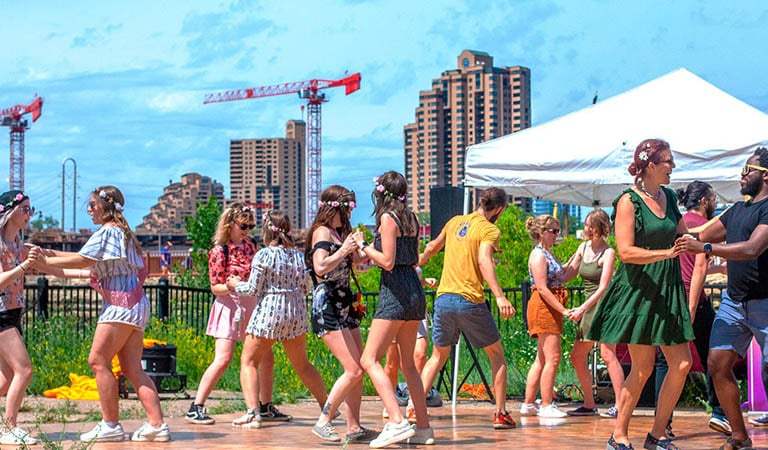

Father’s Day traditions worldwide show how cultures across the globe honor dads in strikingly different ways — from Germany’s beer-wagon hikes to Mexico’s father-child race and Thailand’s royal tribute. This story works best as a global culture explainer with a warm, service-minded tone, clear subheads, and search-friendly phrasing that puts the topic front and center immediately.

The Origin Story: How Father’s Day Came to Be
Before it became a global phenomenon, celebrating dads started as a localized movement. The official holiday was sparked by Sonora Smart Dodd of Washington State, USA. Raised by a widowed Civil War veteran, Dodd felt fathers deserved the same recognition mothers received.
The world’s first statewide celebration occurred in Washington on June 19, 1910. However, it wasn’t until 1972 that President Richard Nixon signed it into US law as a permanent national holiday. Today, the concept of honoring fathers globally has expanded into a beautiful tapestry of diverse cultural rituals.
Global Comparison: Dates and Customs by Country
While the core intent of honoring fatherhood remains universal, the dates and cultural traditions vary widely. The table below outlines how different nations organize their celebrations.
Father’s Day Traditions Worldwide at a Glance
| Country | Celebration Date | Primary Tradition / Gift |
| Germany | Ascension Day (40 days post-Easter) | Men-only outdoor hiking with wooden beer wagons |
| Mexico | Third Sunday of June | Father-child 21k race (Carrera del Día del Padre) |
| Japan | Third Sunday of June | Gifting Wagyu beef, luxury melons, and artisan glasses |
| Thailand | December 5th | Wearing yellow, gifting Canna flowers to elders |
| Spain & Italy | March 19th (Feast of Saint Joseph) | Bonfires, street fairs, and eating zeppole pastries |
| Brazil | Second Sunday of August | Large family churrasco (barbecues) and handmade crafts |
| South Africa | Third Sunday of June | Family fishing trips and outdoor picnics |
| South Korea | May 8th (Parents’ Day) | Joint celebration gifting red carnations to both parents |
Deep Dive: Unique Ways of Honoring Fathers Globally
Germany’s “Vatertag”: Beer, Wagons, and Woods
Germany transforms the holiday into an active outdoor festival known as Vatertag or Männertag (Men’s Day). This celebration takes place on Ascension Day, exactly 40 days after Easter.
- Groups of men organize open-air hiking excursions into the countryside.
- Participants pull traditional wooden wagons loaded with beer, wine, and regional food.
- The day focuses on male camaraderie and outdoor relaxation rather than quiet family dinners.
Mexico’s High-Energy “Día del Padre”
Mexico brings intense physical energy and athletic community spirit to its celebrations on the third Sunday of June. The main event takes place in the capital city.
In Mexico City, thousands of families participate in the Carrera del Día del Padre Bosque de Tlalpan. This event is a city-wide 21k half-marathon where fathers and children run side-by-side. After crossing the finish line, families gather for massive, flavor-packed culinary feasts.
Japan’s Tasteful “Chichi no Hi”
Japan approaches the third Sunday of June with a deep focus on artisanal craftsmanship and premium culinary gifts. The holiday is called Chichi no Hi.
Children prioritize high-quality, practical luxury items for their fathers. Common gifts include premium A5 Wagyu beef, meticulously grown gourmet melons, and hand-blown beer glasses. These luxury items are always accompanied by heartfelt, handwritten letters expressing deep gratitude.
Thailand’s Royal December Tribute
Thailand connects its celebration directly to national history and royal lineage. It is celebrated on December 5th every year.
This specific date marks the birthday of the late King Bhumibol Adulyadej, revered as the symbolic father of the Thai nation. Citizens dress in bright yellow clothing, which is the official color associated with the day of the week the King was born. Children honor their biological fathers and grandfathers by presenting them with yellow Canna flowers.
Related Content and Resources
To discover more about how global cultures celebrate family milestones and community history, check out our guide on historical cultural shifts at thenarrativematters.com.
For ideas on how to plan your own international-style family event, explore the cultural itineraries listed on the National Geographic Society educational portal.
#FathersDay #GlobalTraditions #FamilyCulture