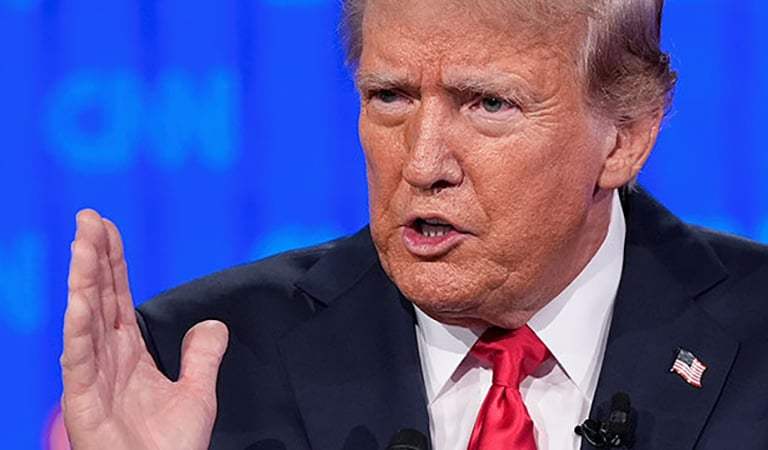

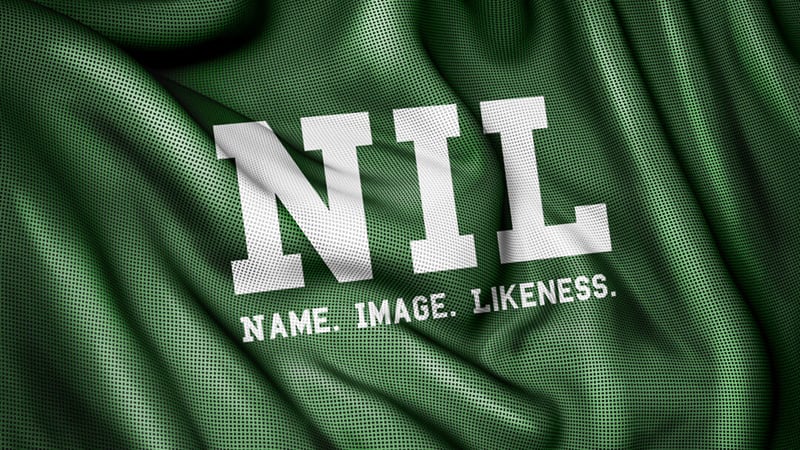
Recent actions by President Trump have sparked significant discussion in the world of college athletics, particularly regarding Name, Image, and Likeness (NIL) deals. While the executive order issued on July 24, 2025, aims to regulate certain aspects of NIL agreements, it’s important to note that these deals are not being eliminated entirely. Instead, the order seeks to address specific concerns about fairness, compliance, and the integrity of college sports.
The Executive Order and Its Objectives
Titled “SAVING COLLEGE SPORTS,” the executive order focuses on curbing what it describes as “pay-for-play” practices. These situations often involve third parties, such as collectives or boosters, using NIL deals as incentives to recruit athletes to specific schools or encourage transfers. The order emphasizes that NIL agreements should reflect fair market value for legitimate endorsements or services provided by student-athletes, rather than serving as veiled payments to influence team rosters.
Additionally, the order includes provisions aimed at preserving opportunities in women’s sports and non-revenue-generating sports. It mandates that athletic departments meeting certain revenue thresholds must expand or maintain scholarships in these areas, ensuring that the benefits of college athletics remain equitable across all programs.
Another key component of the order is its directive to clarify the employment status of student-athletes. By doing so, the administration aims to prevent athletes from being classified as employees of their schools, a move that could have far-reaching implications for the structure of college sports.
What the Executive Order Doesn’t Do
Despite its sweeping language, the executive order does not eliminate NIL deals altogether. Instead, it seeks to regulate them, ensuring that they are legitimate and not used as recruitment tools. Athletes can still profit from their name, image, and likeness, provided the deals align with the guidelines set forth in the order.
However, the long-term impact of the executive order remains uncertain. Without accompanying legislation from Congress, the policies outlined in the order could face legal challenges or be reversed by future administrations. As NBC News notes, the executive order is just one step in a broader conversation about the future of NIL deals and college sports.
The Future of NIL Deals
President Trump’s executive order is part of a larger effort to bring more regulation and uniformity to the rapidly evolving NIL landscape. Federal legislation may eventually be needed to establish consistent standards across states, addressing concerns about fairness, athlete rights, and the financial sustainability of college athletics.
For now, NIL deals remain a vital part of the college sports ecosystem, offering athletes opportunities to profit from their personal brands. However, the executive order signals a shift toward greater oversight and accountability, aiming to prevent abuses while preserving the integrity of college sports.
In Summary
President Trump’s executive order does not spell the end of NIL deals in college sports. Instead, it seeks to regulate them, ensuring they are fair, legitimate, and not used as recruitment tools. While the order addresses key concerns about fairness and sustainability, its long-term impact will depend on future legislative and legal developments. For now, the NIL landscape continues to evolve, with athletes, schools, and regulators navigating this new era of college athletics.
#NILDeals #CollegeSports #TrumpExecutiveOrder