

Articulated Insight – “News, Race and Culture in the Information Age”
Detroit, a city with a rich cultural heritage, is facing a series of social issues that significantly impact its African American communities. These challenges are complex and interconnected, affecting everything from education and employment to housing and health. In this blog, we will explore ten critical social issues that play a role in shaping the lives of those living in Detroit. Understanding these issues is key to fostering change and promoting a brighter future for all residents.
1. The Struggles of Educational Inequality
Access to quality education remains a significant issue for many African American students in Detroit. This section will explore the disparities in school funding, resources, and opportunities that contribute to a cycle of disadvantage.
For many students, inadequate funding translates into overcrowded classrooms, outdated materials, and limited access to advanced placement courses. The stark difference in funding between predominantly Black schools and their more affluent counterparts creates an environment where some students are simply set up to fail. Understanding these disparities is crucial, as each setback compounds, affecting students’ futures.
Moreover, the implications of educational inequality stretch beyond academic achievements; they influence self-esteem, community engagement, and even future earnings. Unequal educational funding and opportunity can lead to a perpetuating cycle where the next generation inherits the same limitations, hindering both personal and community growth.
2. Unemployment and Economic Disparities
High unemployment rates continue to plague Detroit’s African American communities, exacerbating economic inequalities. We will discuss the barriers to employment and workforce development that need urgent attention.
The unemployment crisis in these communities is not merely a statistic; it represents families struggling to make ends meet. Many individuals face significant obstacles such as lack of access to job training programs, unreliable public transportation, and stigmas that deter potential employers. As a result, countless capable individuals remain trapped in a cycle of poverty.
In addition, the stark contrast in job opportunities available to African Americans compared to other demographics speaks volumes about systemic issues in hiring practices. Initiatives aimed at bridging this economic divide must not only address job creation but also dismantle the barriers preventing fair access to well-paying positions.
3. Housing Instability and Affordability Issues
The struggle for affordable housing deeply affects the community. This section will analyze how housing policies and market trends impact stability and access to safe living conditions.
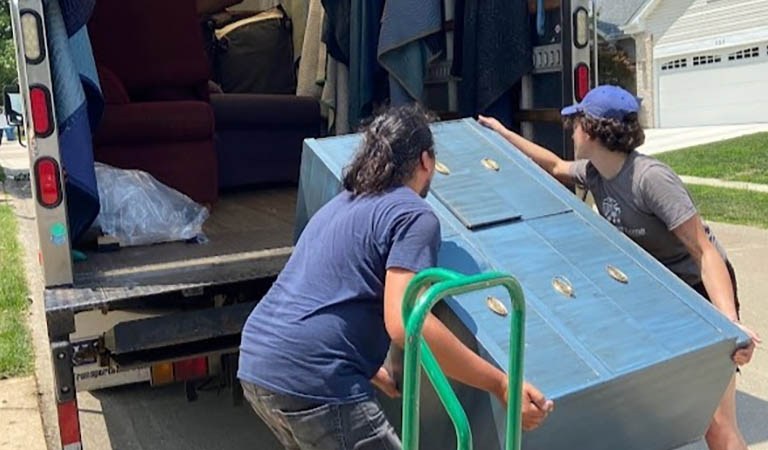
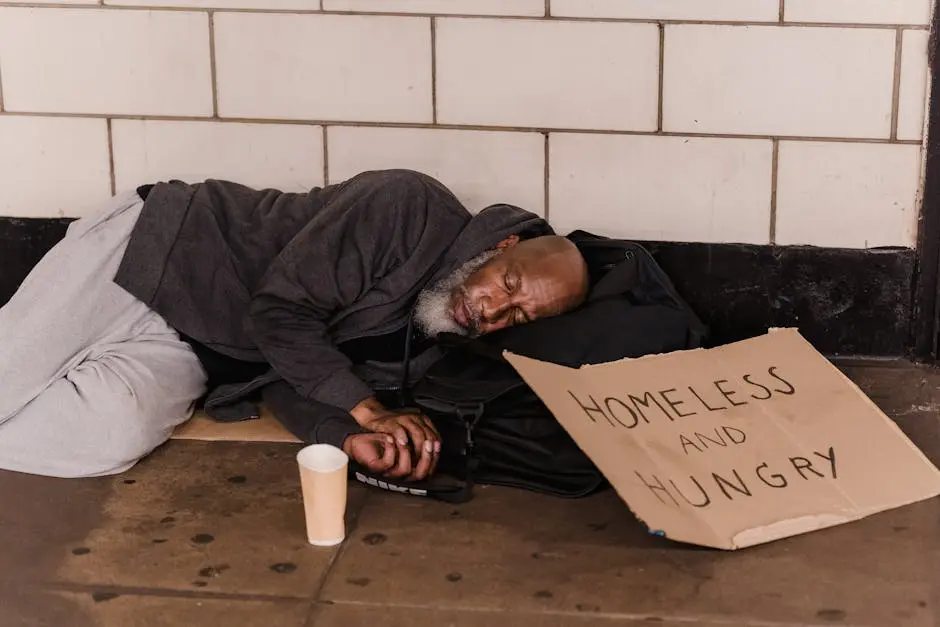
With rising rents and property taxes, many families find themselves forced to choose between basic necessities and housing costs. The situation becomes dire when families are evicted, leading to homelessness or temporary shelter arrangements that disrupt lives and education. Community members often bear the brunt of gentrification, which can contribute to long-standing residents being pushed out of neighborhoods they have inhabited for generations.
Furthermore, discriminatory practices in the housing market limit opportunities for African Americans seeking to purchase homes. Without equitable lending and rental practices, the dream of homeownership—a critical wealth-building tool—remains elusive for too many in these communities. Policy reforms must focus on providing support systems that create a foundation for housing stability.
4. Health Disparities and Access to Care
Health outcomes for African Americans in Detroit often lag behind those of other populations. We will delve into the systemic barriers that limit access to healthcare and adequate services.
Living in food deserts, communities face nutritional challenges that directly impact their health. Lack of access to fresh produce and medical facilities means that diseases like diabetes and hypertension disproportionately affect these areas. Moreover, cultural factors and mistrust in the healthcare system can discourage individuals from seeking necessary medical attention.
Access to health insurance is also a major hurdle; many individuals are uninsured or underinsured due to employment conditions. By advocating for improved access to healthcare services and education on health management, we can begin to address the concerning health disparities that plague Detroit’s African American community.
5. Criminal Justice System Challenges
The over-policing and disproportionate incarceration rates of African Americans raises significant concerns. This section will discuss the implications of these trends on community trust and safety.
When communities are overwhelmed by a heavy police presence, relationships between law enforcement and residents become strained. Many African Americans in Detroit report experiences of profiling, which breeds mistrust. This climate not only affects individuals’ perceptions of safety but also deters them from cooperating with police in times of need.
Reforming the criminal justice system in Detroit is paramount for enhancing community engagement and safety. Alternatives to incarceration and initiatives that focus on rehabilitation rather than punishment could lead to a healthier community overall.
6. Food Deserts and Nutrition Challenges
Limited access to healthy food options continues to impact health and well-being. We will explore the concept of food deserts and initiatives aimed at improving access to nutritious choices.
Food deserts contribute significantly to the cycle of poverty and poor health outcomes. Detroit’s African American communities, often located far from grocery stores that offer fresh and affordable produce, rely on fast food or convenience stores for meals, which can lead to obesity and other health issues.
Grassroots initiatives aimed at creating community gardens and enhancing local food systems are essential steps towards addressing these nutrition challenges. By empowering communities to take control of their food sources, we pave the way for healthier choices and improved overall health.
7. Mental Health Awareness and Support
Mental health issues often go unaddressed, creating lasting effects on individuals and families. This section will cover the stigma surrounding mental health and the need for accessible support services.
The stigma associated with mental health in many African American communities can prevent individuals from seeking help, leading to a rise in untreated mental health disorders. Many people may feel ashamed of their struggles, believing that asking for help is a sign of weakness. This mindset perpetuates suffering and individuals may cope with trauma in unhealthy ways.
Community-based mental health programs and increasing awareness about mental health are critical. By fostering open dialogues and providing resources, we make it possible for individuals to seek the help they need without fear of judgment.
8. The Role of Community Activism
Community activism plays a vital role in advocating for change. We will highlight local organizations and movements that are making a difference in addressing social issues.
Across Detroit, grassroots movements are rising to confront social injustices. From organizations focused on education reform to those tackling housing inequality, activists are working tirelessly to amplify the voices of their communities.
These efforts not only address immediate needs but also lay the foundation for sustainable change. Community engagement fosters a collective power that can sway policy and create new opportunities for residents—which is vital for a more equitable Detroit.
9. Impact of Gentrification
As neighborhoods evolve, gentrification poses threats to longtime residents. This section will discuss the effects of gentrification on affordability and community displacement.
Gentrification often leads to rising rents and property taxes, forcing families who have lived in their neighborhoods for generations to relocate. This loss of community can be devastating, not only for individuals but for the cultural fabric of Detroit itself.
While gentrification can bring in infrastructure and new businesses, it’s essential that city planners prioritize affordable housing developments that account for current residents’ needs. By doing so, we can honor the history of these communities while still promoting development.
10. Promoting Cultural Heritage and Identity
Celebrating cultural identity is crucial for community resilience. We will explore efforts to preserve and promote African American heritage in Detroit.
Cultural events, local art, and educational programs play vital roles in reinforcing the identity of African American communities. They serve as reminders of strength and resilience in the face of adversity, bringing people together and fostering pride.
By investing in initiatives that celebrate cultural heritage, we not only uplift communities but also educate those outside them. Celebrations of African American culture enrich the broader Detroit landscape, ensuring a more inclusive narrative for future generations.
#DetroitCommunities #SocialJustice #UrbanChallenges