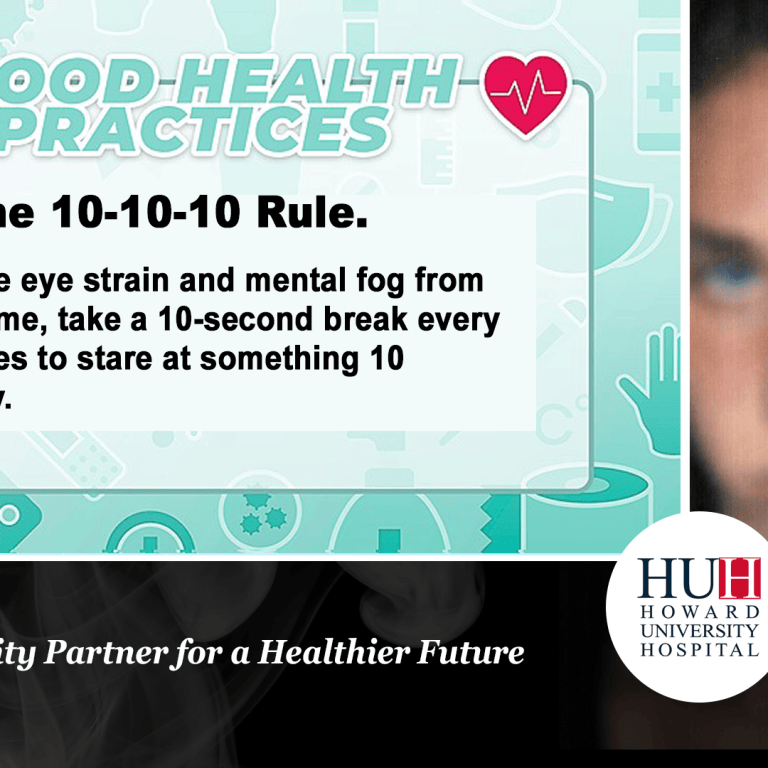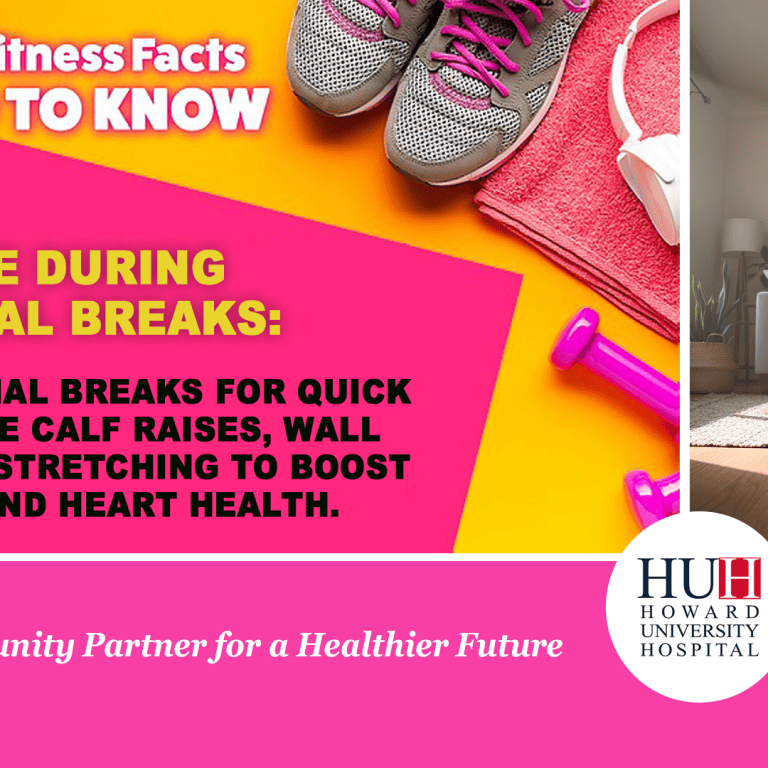

Optimizing disc health requires a proactive approach to your daily lifestyle habits. You can protect your spinal discs by running to improve bone density, managing phone blue light exposure to secure restorative sleep, and exercising consistently to boost energy. These three actionable habits support long-term spinal wellness and cellular repair.

DISC Health Equity Action Lab
[mcb-block id=235317]Disc health forms the core foundation of a pain-free and active lifestyle. When your spinal discs function correctly, they act as perfect shock absorbers for your back. Ignoring spinal wellness can lead to severe discomfort, limited mobility, and degenerative conditions over time.
Understanding how daily habits impact your spine empowers you to make smarter choices. This guide breaks down three specific health tips from community health advocates, including insights from Howard University Hospital. We will explore how physical activity and sleep hygiene directly influence your intervertebral discs.
Disc health forms the core foundation of a pain-free and active lifestyle. When your spinal discs function correctly, they act as perfect shock absorbers for your back. Ignoring spinal wellness can lead to severe discomfort, limited mobility, and degenerative conditions over time.
Understanding how daily habits impact your spine empowers you to make smarter choices. This guide breaks down three specific health tips from community health advocates, including insights from Howard University Hospital. We will explore how physical activity and sleep hygiene directly influence your intervertebral discs.

Tip 1: Run to Boost Bone Density and Immunity
Your spinal discs sit between the vertebrae, which are the bony building blocks of your spine. Maintaining strong vertebrae is essential for keeping those discs properly aligned and supported. Running provides a high-impact stimulus that forces your bones to adapt and grow stronger.
Research highlights that individuals who run 12 to 18 miles a week develop significantly stronger immune systems. They also experience noticeable increases in bone density. This enhanced bone strength directly protects your spine from micro-fractures that can destabilize your intervertebral discs.
How Running Supports Spinal Wellness
Running does more than just build leg muscles. It creates a biological chain reaction that fortifies your entire skeletal system. Consider the following process for safely integrating running into your routine:
Focus on posture: Keep your chest up and shoulders back to maintain neutral spinal alignment.
Start slow: Begin with a mix of walking and jogging to let your joints adapt.
Invest in footwear: Wear highly cushioned running shoes to reduce unnecessary shock to your spine.
Track your mileage: Aim to gradually reach the 12 to 18 miles per week threshold.

Tip 2: Protect Circadian Rhythms from Blue Light
You might not associate your smartphone with your back, but screen time heavily influences spinal repair. The blue light from your phone messes with your circadian rhythm, delaying the release of melatonin. Without adequate sleep, your body cannot perform essential maintenance on your tissues.
Your intervertebral discs are avascular, meaning they do not have a direct blood supply. They rely on the process of osmosis to absorb water and nutrients, which primarily happens while you lie horizontally at night. Disrupting your sleep cycle prevents your discs from fully rehydrating.
Sleep Quality and Cellular Repair
Good health practices require strict sleep hygiene. When you improve your sleep architecture, you allow your body to heal daytime wear and tear. Compare the impact of healthy versus poor sleep habits on your spine in the table below:
| Habit Category | Impact on Circadian Rhythm | Effect on Spinal Discs |
|---|---|---|
| Pre-bed Screen Time | Suppresses melatonin production | Prevents full overnight disc rehydration |
| Dark Room Environment | Promotes deep REM sleep | Maximizes nutrient absorption in the spine |
| Late Night Scrolling | Increases brain stimulation | Increases muscle tension around the spine |
| Reading a Physical Book | Relaxes the nervous system | Allows spinal muscles to decompress |
For more strategies on improving your nightly routines and overall physical wellness, check out this comprehensive resource on building better lifestyle habits.

Tip 3: Generate Energy Through Exercise
Fatigue often tricks us into choosing the couch over the gym. However, skipping workouts is detrimental to your spinal health. Remaining sedentary starves your spine of the movement it needs to pump fluids in and out of the disc space.
General health facts dictate that exercise will give you more energy, even when you feel completely exhausted. Physical activity increases blood flow, delivers oxygen to your brain, and releases endorphins. This natural energy boost helps you maintain proper posture throughout the day, reducing unnecessary strain on your back.
Overcoming Fatigue with Movement
The next time you feel too tired to move, remember that action precedes motivation. You can break the cycle of fatigue by initiating gentle movements. Follow this simple process to safely energize your body:
- Perform dynamic stretches: Start with torso twists and gentle bends to warm up your core.
- Engage in brisk walking: Walk continuously for 10 minutes to elevate your heart rate.
- Execute bodyweight exercises: Complete a set of squats or lunges to activate major muscle groups.
- Hydrate adequately: Drink water immediately after moving to support cellular function.
Taking Proactive Steps for Your Spine
Safeguarding your back requires consistent, intentional actions. By running to build bone density, limiting blue light for better sleep, and exercising to fight fatigue, you provide your body with the tools it needs. These habits work synergistically to keep your spine strong and resilient.
We highly recommend consulting a medical professional before starting any new fitness regimen. For further clinical guidance on maintaining optimal bone and joint health, consider reviewing resources from the National Institutes of Health (NIH) on spinal care.
Start implementing these three health tips today. Your spine works tirelessly to support you, and adopting these practices ensures it will continue to do so for years to come.
About
DISC Health
The Health Equity Action Lab (HEAL) is an initiative by Dynasty Interactive Screen Community aimed at addressing health disparities in the U.S. and globally. By engaging media and stakeholders, HEAL seeks to reduce health inequalities and raise awareness. Their approach includes overcoming socio historical barriers and confronting the institutional, social, and political factors that perpetuate healthcare inequality.
Learn more about the health education partnership:
Howard University Hospital (HUH)
Howard University Hospital, established in 1862 as Freedmen’s Hospital, has a rich history of serving African Americans and training top medical professionals. Located in Washington, D.C., it is the only teaching hospital on the campus of a historically Black university. HUH is a Level 1 Trauma Center and a critical healthcare provider for underserved populations. It offers advanced medical services, including robotic surgery, and has received numerous accolades for excellence in specialties like heart care, stroke treatment, and radiology.
Learn more about Howard University Hospital (HUH)
Howard University Faculty Practice Plan (FPP)
The Howard University Faculty Practice Plan is a multi-specialty physician group in Washington, D.C., dedicated to advancing healthcare and eliminating health disparities. It offers comprehensive services, including primary and specialty care, mental health, imaging, and cancer care, all connected to Howard University Hospital. FPP emphasizes patient-centered, respectful care for the diverse community and provides free health screenings and events to promote wellness.
Learn more about Howard University Faculty Practice Plan (FPP).
#DiscHealth #SpinalWellness #HealthyLiving