

Hepatitis B Vaccination: Global Efficacy & Impact
The global effort behind hepatitis B vaccination has been one of the most successful public health stories of our time. This simple shot has prevented millions of deaths and chronic liver diseases worldwide. Understanding the vaccine’s efficacy, why it’s given as a hepatitis B shot to newborns, and answering the common question, “do I need a hepatitis B vaccine?” is crucial for appreciating its profound impact on global health. Since its widespread introduction, the vaccine has drastically reduced the prevalence of the hepatitis B virus (HBV), protecting generations from its most severe consequences.
Hepatitis B is a viral infection that attacks the liver and can cause both acute and chronic disease. For many, the infection becomes chronic, leading to life-threatening conditions like cirrhosis and liver cancer. The virus is transmitted through contact with the blood or other body fluids of an infected person. Because of its silent and persistent nature, preventing the infection in the first place through vaccination is the most effective strategy.
Why Hepatitis B Vaccination is a Global Health Priority
The hepatitis B vaccine is a cornerstone of global disease prevention. Its implementation has saved countless lives and significantly reduced healthcare costs associated with treating chronic liver disease. The World Health Organization (WHO) and other global health bodies have championed universal vaccination programs for decades, leading to remarkable results.
The Power of Prevention: Vaccine Efficacy
The hepatitis B vaccine is incredibly effective. When the complete series of shots is administered, it provides more than 95% protection against the hepatitis B virus. This high level of efficacy has led to a dramatic decrease in new infections, particularly among children.
Studies have shown that since global vaccination efforts ramped up around the year 2000, millions of deaths have been averted. The vaccine not only prevents the initial infection but also significantly lowers the long-term risk of developing hepatocellular carcinoma (liver cancer), which is a common outcome of chronic HBV infection. This preventative power makes it one of the first anti-cancer vaccines ever developed.
The Economic Impact
Beyond saving lives, widespread hepatitis B vaccination makes strong economic sense. The cost of treating chronic hepatitis B, cirrhosis, and liver cancer is substantial, placing a heavy burden on individuals and healthcare systems. By preventing the disease at its source, vaccination programs yield a massive return on investment, freeing up resources that would otherwise be spent on long-term, complex medical care.
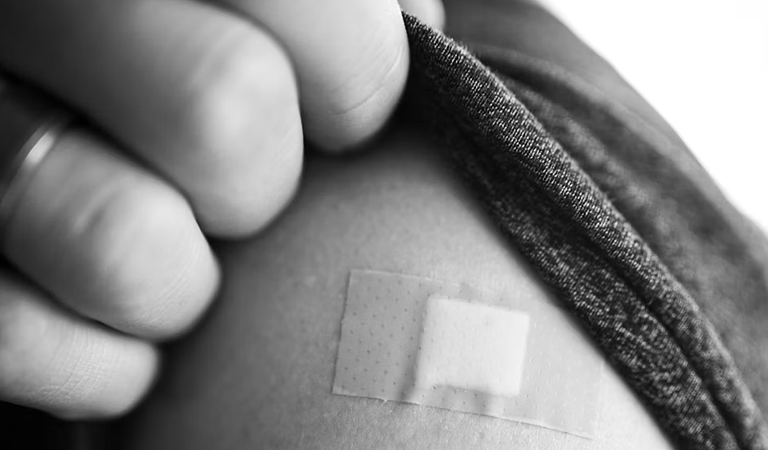
(Image Alt Attribute: A healthcare professional administering a hepatitis B shot to a newborn.)
The Critical Role of the Hepatitis B Shot for Newborns
One of the most critical strategies in eliminating hepatitis B is administering the first dose of the vaccine at birth. This approach targets the most common route of transmission and protects the most vulnerable population.
Why Start at Birth?
The “hepatitis B shot newborn” protocol is essential because many new infections occur from mother to child during childbirth (perinatal transmission). A baby born to a mother with hepatitis B has a very high risk of becoming chronically infected. Chronic infection is far more likely to develop in infants, with about 90% of infected babies developing a lifelong illness.
Administering the first dose of the vaccine within 24 hours of birth acts as a powerful safety net. It can prevent transmission from an infected mother and provides immediate protection against any potential exposure after birth. This birth dose is a vital first step in a multi-dose series that provides lifelong immunity.
Global Coverage and Its Challenges
More than 80% of infants worldwide now receive the recommended three doses of the hepatitis B vaccine. This achievement has drastically cut down rates of chronic HBV infection in children to under 1% in many countries.
However, gaps in coverage remain, particularly in regions with limited healthcare access. Ensuring every newborn receives their first hepatitis B shot within 24 hours is a continuing goal for global health organizations. Overcoming logistical challenges and increasing awareness are key to closing these gaps and protecting every child.
Do I Need a Hepatitis B Vaccine?
While the focus is often on newborns and children, many adults can also benefit from the vaccine. The question, “do I need a hepatitis B vaccine?” depends on your vaccination history, lifestyle, and potential risk factors.
Who Should Get Vaccinated?
The Centers for Disease Control and Prevention (CDC) recommends the hepatitis B vaccine for all unvaccinated adults. You should prioritize getting vaccinated if you:
- Were born before universal childhood vaccination programs were standard.
- Are a healthcare or public safety worker with potential exposure to blood.
- Live with someone who has hepatitis B.
- Have multiple sexual partners.
- Are seeking treatment for a sexually transmitted infection.
- Have chronic liver or kidney disease.
- Travel to countries with high rates of hepatitis B.
If you are unsure of your vaccination status, a simple blood test can check for immunity. Your doctor can help you determine if you need the full vaccine series or a booster.
Is the Vaccine Safe?
The hepatitis B vaccine has an outstanding safety record and has been used for over 40 years. It is a synthetic vaccine, meaning it contains no live virus and cannot cause hepatitis B infection. The most common side effects are mild and temporary, such as soreness at the injection site. The benefits of protection against a life-threatening disease far outweigh the minimal risks associated with the vaccine.
The Future of Hepatitis B Eradication
The journey toward eliminating hepatitis B as a public health threat is ongoing. The success of global hepatitis B vaccination programs has laid a strong foundation, but continued effort is needed. Achieving the WHO’s goal of eliminating viral hepatitis by 2030 requires strengthening vaccination programs, especially the birth dose, and expanding access to testing and treatment for those already living with the virus.
For more information on the history and importance of vaccination, you can explore related topics like the development of other critical vaccines.
The hepatitis B vaccine is more than just a shot; it is a testament to what global collaboration in public health can achieve. It represents a promise of a healthier future, free from the devastating impact of the hepatitis B virus. To learn more about hepatitis B and vaccination schedules, visit the World Health Organization (WHO) website for comprehensive information. By continuing to support and expand vaccination efforts, we can protect future generations and move closer to a world without hepatitis B.
#HepatitisBVaccine #GlobalHealth #VaccinationAwareness