
Naloxone is a life-saving medication that reverses opioid overdoses by blocking opioid receptors in the body. It works within minutes to restore breathing and prevent fatal outcomes, making it a critical tool in combating the opioid crisis. Available as a nasal spray or auto-injector, naloxone is easy to administer and has minimal side effects. While it provides immediate relief, medical care is essential after its use. Naloxone has saved tens of thousands of lives and continues to play a vital role in public health efforts to address the growing opioid epidemic.
The opioid crisis has claimed countless lives, with overdose deaths escalating by over 400% since the turn of the century. Amid this alarming trend, naloxone has emerged as a beacon of hope, offering a life-saving intervention for individuals experiencing opioid overdoses.
[mcb-block id=235317]What is Naloxone?
Naloxone is an opioid antagonist, a medication designed to rapidly reverse the effects of opioid overdose. It works by binding to opioid receptors in the body, displacing opioids like heroin, fentanyl, or prescription painkillers. This action restores normal breathing in individuals whose respiratory systems have been suppressed by opioids, a condition that can lead to death if untreated.
Recognizing an Opioid Overdose
Timely administration of naloxone is critical. Recognizing the signs of an opioid overdose can save lives. Symptoms include:
- Limp body
- Pale or clammy skin
- Blue fingernails or lips
- Vomiting or gurgling sounds
- Inability to speak or awaken
- Slow or stopped breathing
If these symptoms are observed, calling 911 and administering naloxone, if available, should be the immediate course of action.
How is Naloxone Administered?
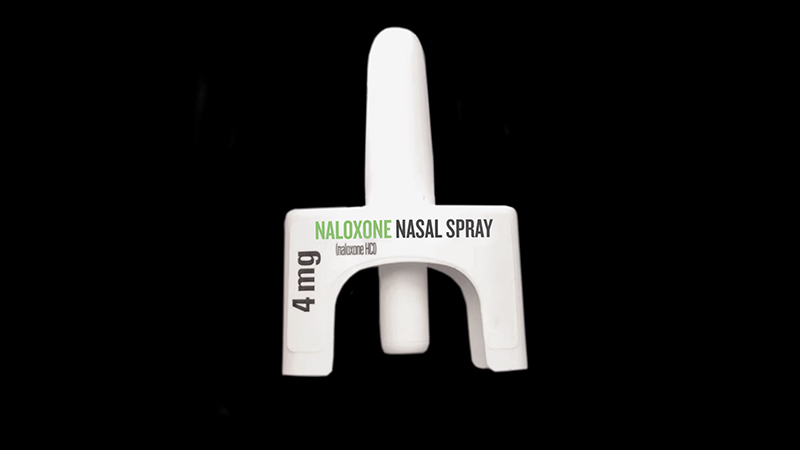
Naloxone is available in user-friendly forms, such as a nasal spray or an auto-injector. These can be administered by friends, family, or bystanders, making it accessible even outside of medical settings. In some cases, multiple doses may be required, and monitoring the individual’s breathing is essential until professional medical help arrives.
The Science Behind Naloxone
Opioids affect the body by binding to receptors in the brain, brainstem, spinal cord, and gastrointestinal tract. While these effects can provide pain relief and relaxation, they also suppress breathing, which can be fatal in an overdose. Naloxone’s strong affinity for these receptors allows it to displace opioids, effectively reversing their effects and restoring the drive to breathe.
However, naloxone’s effects last only 30-90 minutes, so medical care is crucial even after its administration. Additionally, naloxone may induce withdrawal symptoms, such as sweating, vomiting, and tremors, as it rapidly removes opioids from the receptors.
The Impact of Naloxone on Public Health
Since its introduction, naloxone has saved tens of thousands of lives. Between 1996 and 2014 alone, at least 26,500 opioid overdoses in the United States were reversed by laypersons using naloxone. Its availability and ease of use have empowered communities to take immediate action in the face of an overdose crisis.
Addressing the Bigger Picture
While naloxone is a critical tool in combating the opioid epidemic, it is not a standalone solution. The National Institutes of Health (NIH) launched the HEAL Initiative in 2018 to address the crisis comprehensively. This initiative focuses on improving treatments for opioid misuse and addiction, enhancing pain management, and advancing research on user-friendly interventions like naloxone nasal spray.
Conclusion
Naloxone is a testament to the power of medical innovation in saving lives. Its ability to reverse opioid overdoses within minutes has made it an indispensable tool in the fight against the opioid crisis. However, addressing the root causes of addiction and improving access to treatment remain essential to curbing this epidemic.
For more information on naloxone and opioid-related resources, visit trusted platforms like MedlinePlus and the National Institute on Drug Abuse.
get more Health inf9ormation.Visit Disc Health on the Narrative Matters.
#NaloxoneSavesLives #OpioidCrisis #PublicHealth