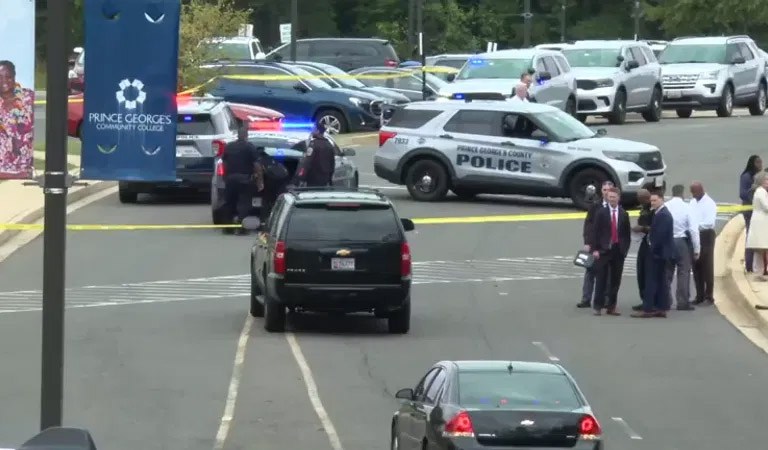


High-Speed Police Chases: Are They Protecting Us or Putting Lives at Risk?
When flashing lights and blaring sirens speed past you on the highway, you likely assume officers are tracking down a dangerous criminal. However, the reality of high-speed police chases paints a much different picture. These intense pursuits are among the most dangerous activities law enforcement officers undertake.
While movies make police pursuits look thrilling, real-life data shows a grim reality. These events frequently stem from minor traffic infractions and often end in tragedy for innocent bystanders.
This article explores the heavy toll of high-speed pursuits, the shifting landscape of pursuit policies, and whether safer alternatives can protect communities without letting suspects escape justice.
The Staggering Cost of High-Speed Pursuits
When police vehicles chase suspects at extreme speeds, the risk of a fatal collision skyrockets. The statistics surrounding these events reveal a severe threat to public safety.
Between 2017 and 2022, at least 3,336 people died in police pursuits across the United States. That averages out to roughly one fatality every single day. Shockingly, roughly one in every 100 high-speed pursuits results in a death.
While officers take on massive risks during these events, they account for less than 1% of pursuit-related deaths. The actual burden of this danger falls directly on the public.
Innocent Bystanders at Risk
The most heartbreaking aspect of high-speed police chases is who actually gets hurt. Over half of those killed are innocent passengers in the fleeing vehicle or completely uninvolved bystanders.
Data shows that 42% of all individuals killed or injured in these events are third parties. From 2017 to 2022 alone, at least 551 bystanders lost their lives simply for being in the wrong place at the wrong time. Furthermore, these tragic outcomes disproportionately affect minority communities. Black people are four times as likely to be killed in police pursuits as white people.
Why Do Police Pursuits Start?
You might think that officers only engage in dangerous chases to stop violent felons. The data tells a completely different story.
A vast majority of pursuits begin over minor traffic violations, stolen vehicles, or non-violent crimes. Only one out of every 15 people killed in these chases was actively being pursued for a suspected violent crime. This means that a broken taillight or a rolling stop can quickly escalate into a deadly situation.
Speeds are also increasing. In Milwaukee, for example, 71% of police pursuits in 2024 exceeded 75 miles per hour. Back in 2008, only 15% of chases reached those dangerous speeds.
Despite driving faster and taking more risks, officers are actually catching fewer suspects in some regions. Milwaukee saw its apprehension rate plummet from 91% in 2010 to just 38% in 2022. More chases do not automatically equal more arrests.
The Debate Over “No Chase” Policies
Because of the severe risks, police departments across the country constantly debate how to handle fleeing suspects. This has led to widely varying policies, from strict “no chase” rules to aggressive apprehension tactics.
Many areas have adopted strict policies that only allow chases for known violent felonies. These restrictive policies aim to prioritize public safety over immediate apprehension for minor offenses.
Data proves that restrictions work. When Oakland, California, implemented stricter policies and added speed limits to their pursuits in 2024, the number of chases dropped dramatically from 130 to just 38 in a seven-month period.
Shifting Rules and Legal Standing
Not all departments agree with restricting officers. Some regions have actually relaxed their rules. Washington state, for instance, loosened restrictions in 2024, which immediately led to a rise in police pursuits.
Other departments are adopting proactive, aggressive measures. The Arkansas State Police recently adopted a policy allowing officers to immediately put fleeing vehicles into a ditch to force them to stop.
Legally, police are generally authorized to engage in pursuits to enforce the law. However, departments and individual officers can face heavy liability if they act with gross negligence or reckless disregard for public safety during a high-speed chase.
Exploring Safer Alternatives to High-Speed Chases
If police stop chasing, will criminals just get away? Evidence suggests otherwise.
When law enforcement officers disengage from a high-speed pursuit, the suspect typically slows down. A recent study found that 75% of fleeing suspects admitted they would reduce their speed and drive safely if the police simply stopped chasing them.
Departments can use alternative technologies to track suspects without escalating the danger. GPS tracking darts, traffic cameras, and aerial support from drones or helicopters allow police to monitor a suspect’s location safely. Officers can then apprehend the individual later when the situation is calm.
Read more about community safety and justice initiatives on thenarrativematters.com
Rethinking Public Safety on the Road
High-speed police chases remain a highly debated and incredibly dangerous aspect of modern law enforcement. The data clearly shows that chasing non-violent suspects at high speeds causes disproportionate harm to innocent bystanders.
As communities demand safer streets, police departments must balance the need to enforce the law with the ultimate goal of protecting the public. By adopting smarter pursuit policies and utilizing tracking technology, we can reduce senseless fatalities while still holding offenders accountable.
Visit the National Highway Traffic Safety Administration (NHTSA) database or a reputable think tank on modern policing for readers to explore official traffic fatality data.
#PublicSafety #PoliceChases #SaferAlternatives
{ “@context”: “https://schema.org”, “@type”: “NewsArticle”, “headline”: “High-Speed Police Chases: Do They Cause More Harm Than Good?”, “description”: “High-speed police chases: Are they protecting us or endangering lives? Explore the risks, policies, and safer alternatives to these pursuits.”, “image”: “https://i0.wp.com/thenarrativematters.com/wp-content/uploads/2026/03/police-chase.jpg?fit=800%2C450&ssl=1”, “author”: { “@type”: “Person”, “name”: “David Beckford” }, “publisher”: { “@type”: “Organization”, “name”: “The Narrative Matters”, “logo”: { “@type”: “ImageObject”, “url”: “http://thenarrativematters.com/wp-content/uploads/sites/48/2026/01/public-safety.jpg” } }, “datePublished”: “2026-03-27”, “dateModified”: “2026-03-27”, “mainEntityOfPage”: { “@type”: “WebPage”, “@id”: “https://thenarrativematters.com/high-speed-police-chases-do-they-cause-more-harm-than-good/” } }