
Washington, DC, has always been a city marked by change. Over the centuries, the nation’s capital has experienced significant demographic shifts that reflect broader social, economic, and cultural trends in the United States. From sharp population growth during wartime to the impact of suburbanization, gentrification, and urban renewal, DC continues to evolve in ways that both challenge and invigorate the community.
If you’re curious about how Washington, DC’s demographics are changing and what this means for residents, businesses, and policymakers, this article dives into key trends shaping the city today.
A History of Transformation
Though well-known as a seat of national power, DC’s population growth started slowly. By 1860, fewer than 100,000 people called the district home. However, the onset of the Civil War sparked influxes of workers and soldiers into the city. These population spikes continued through the World Wars. By 1950, the city reached a peak population of 802,000.
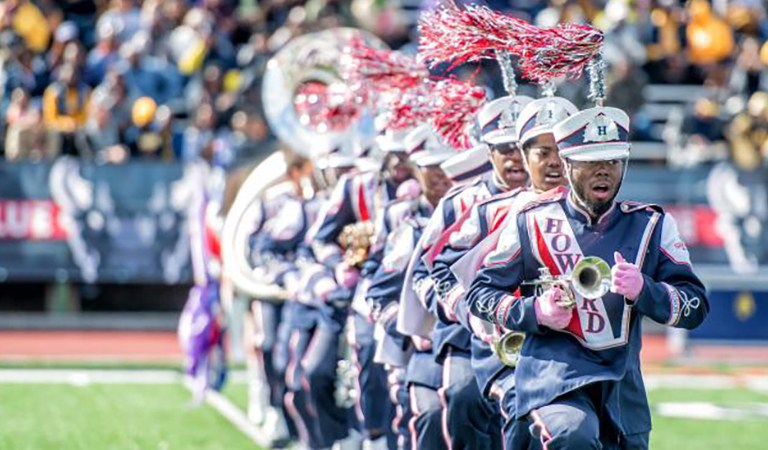
From the 1950s onward, a sharp exodus of white families to suburban areas left DC with a majority-Black population, reflecting a trend seen in many urban centers across America. Yet, by the late 20th century, Latino and Asian communities began to establish themselves, leading to a more diverse population mix.
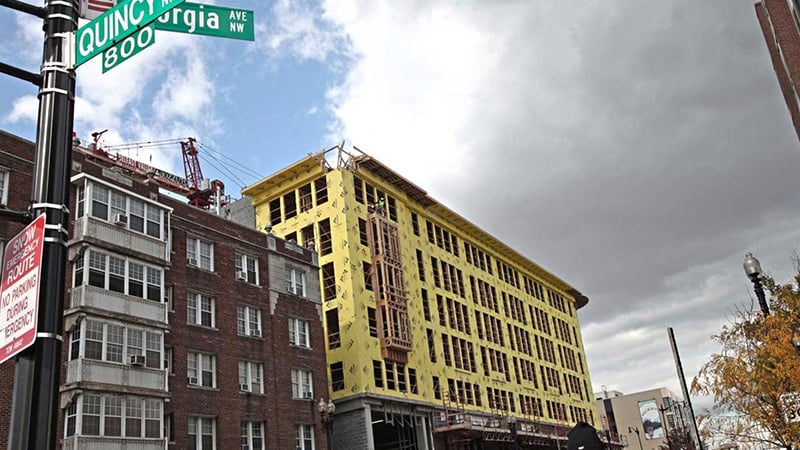
Fast forward to the 2000s, the city started attracting college-educated professionals and high-earning families looking for urban experiences, giving rise to gentrification and reshaping once-disinvested neighborhoods. Today, DC’s blend of cultures and communities reflects its complicated, yet fascinating, history.
Rising Population and Gentrification
One of the most visible trends in Washington, DC, is the renewed growth of its population. Following decades of decline, the city’s population began rebounding after 2000, driven by an influx of young professionals, families, and immigrants seeking opportunities. Many neighborhoods once left underdeveloped, like Columbia Heights and H Street, have since revitalized into bustling hubs, but often at the cost of long-time residents being priced out.
The median home prices reflect this trend. By 2013, neighborhoods like Ward 1 and Ward 6 saw increases to over $600,000 as demand surged in gentrifying areas. Even Wards 7 and 8, historically among the city’s more affordable neighborhoods, faced rising costs. However, pricing disparities remain, with Wards 2 and 3 consistently having the city’s highest median prices.
This housing landscape represents both an opportunity and a challenge. Homebuyers increasingly face competition for affordable properties, with DC consistently ranking among the nation’s most expensive housing markets.
Shifting Birth Trends and Educational Demands
Another major demographic shift centers around families. Although many working-class and middle-class families left DC in past decades, there has been a significant rise in births among college-educated parents in the city since 2000, particularly in neighborhoods like Brightwood, Takoma, and NoMa.
These parents are demanding higher-quality schooling options for their children, creating pressure on the city’s education system to deliver. DC Public Schools and charter schools have seen increased enrollment in certain wards as school-aged children move into areas like Ward 3. At the same time, other wards like Wards 7 and 8 report a decline in families with young children, creating imbalanced demand across districts.
Economic Growth and the Fall in Crime
DC’s changing demographics have also been accompanied by measurable improvements in safety and economic vitality. Since the 1990s, the city has experienced a dramatic drop in violent crime, credited in part to community-oriented policing, investments in new technologies, and better data-driven approaches to crime prevention.
While crime risks remain in some neighborhoods, the improvements have helped boost DC’s appeal as a place to live and do business. Combined with efforts to attract employers and support local entrepreneurship, DC’s economic profile has sharpened, offering a mix of high-end and small, diverse businesses catering to the city’s changing population.
The Role of Diversity in DC’s Future
One of the great strengths of DC’s changing demographics lies in its growing diversity. Whether through the arrival of immigrants, the resurgence of historically Black communities, or the influx of millennials, the city is becoming a place where different cultures and lifestyles intersect.
This comes with challenges—how to expand affordable housing, deal with economic inequality, and ensure long-time residents are not displaced. Still, the resilience of DC’s communities often shines through, creating a city where new identities continue aligning with its rich history.
Why Demographics Matter for DC’s Growth
Washington, DC’s demographics paint a vivid picture of transition. The population shifts, economic disparities, and diverse cultural makeup reveal the city’s adaptability and ambition. But for policymakers and businesses, staying ahead is crucial. Whether it’s housing policy, urban development, or educational reform, demographic trends will define how the city continues to thrive.
For anyone eager to stay informed about Washington, DC’s future growth or looking to expand opportunities in this city of change, it’s time to engage with the data and trends shaping its remarkable evolution.
Source: Urban Greater DC
Keywords: Washington D.C. demographics, population change in D.C., city landscape transformation, cultural impact of gentrification, economic shift in Washington D.C.
#WashingtonDC #UrbanChange #CulturalShift