
Flowers have long been a source of inspiration for artists, resulting in some of the most famous paintings of flowers in art history. These masterpieces not only capture the beauty and vibrancy of nature but also symbolize deeper emotions and ideas. From Vincent van Gogh’s iconic Sunflowers to Georgia O’Keeffe’s bold Red Canna, floral art has blossomed across centuries and styles. Let’s explore these iconic floral masterpieces and their enduring appeal.
Combining these estimates, the total value of these famous floral paintings could range between $2.7 billion and $3 billion USD. This figure is speculative and depends on market conditions, provenance, and collector interest.
Iconic Floral Masterpieces
Vincent van Gogh – Sunflowers (1888-1889)
When discussing the most famous paintings of flowers, Vincent van Gogh’s Sunflowers series is an undeniable highlight. Painted during his time in Arles, France, these works are celebrated for their vibrant yellow hues and textured brushstrokes. Moreover, Van Gogh’s Sunflowers symbolize gratitude and friendship, making them as emotionally resonant as they are visually stunning.
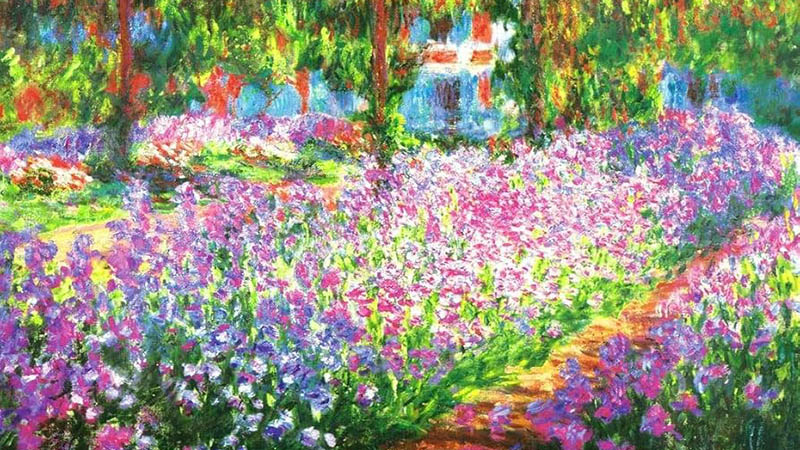
Claude Monet – Water Lilies (1906-1926)
Claude Monet’s Water Lilies series is a breathtaking tribute to his garden in Giverny. Spanning over 250 paintings, this series captures the serene beauty of water lilies floating on reflective ponds. Additionally, Monet’s impressionistic style and masterful use of light make these works timeless and universally admired.
Georgia O’Keeffe – Red Canna (1923)
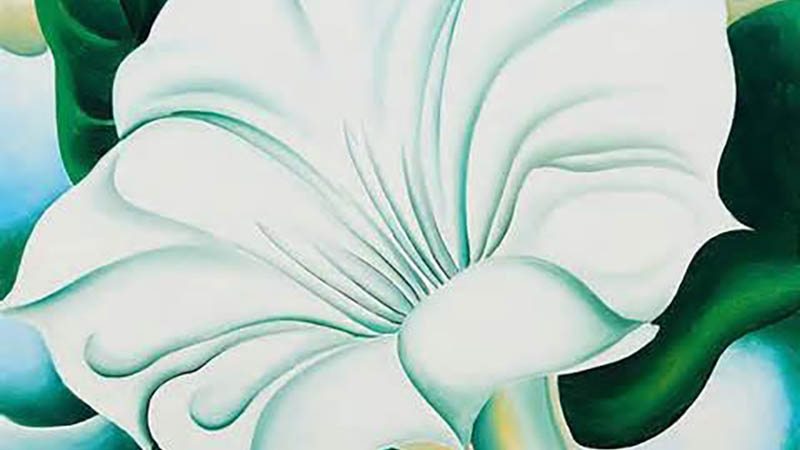
Georgia O’Keeffe – Red Canna (1923)
Known as the “Mother of American Modernism,” Georgia O’Keeffe brought a bold, close-up perspective to floral art. Her Red Canna is a vibrant, almost abstract depiction of a flower, emphasizing its curves and colors. Furthermore, O’Keeffe’s work redefined how we view flowers in art, turning them into powerful symbols of life and vitality.
Rachel Ruysch – Flowers in a Glass Vase with a Cricket (1700)
Rachel Ruysch, a Dutch Golden Age painter, was a master of still-life floral compositions. Her Flowers in a Glass Vase with a Cricket is a detailed and dramatic piece, showcasing her ability to capture the delicate beauty of flowers with lifelike precision.
Andy Warhol – Flowers (1964)
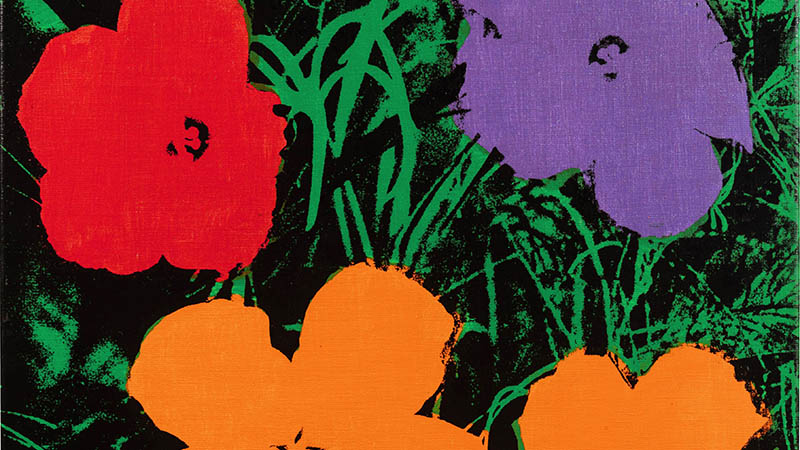
Andy Warhol’s Flowers series brought a modern, pop-art twist to floral paintings. Using bold colors and abstract forms, Warhol transformed the simple flower into a symbol of contemporary art. His work remains a vibrant and playful interpretation of nature.
Classic Still Life & Modern Interpretations
Jan Davidsz de Heem – Vase of Flowers (c. 1660)
A Baroque masterpiece, Jan Davidsz de Heem’s Vase of Flowers is a lush and detailed still life. The painting captures the opulence of 17th-century floral arrangements, with every petal and leaf rendered in exquisite detail.
Gustav Klimt – Bauerngarten (1907)
Gustav Klimt’s Bauerngarten (Farmer Garden) is a vibrant explosion of color and texture. This painting blends Klimt’s signature decorative style with the natural beauty of a garden, creating a work that feels both intimate and grand.
Ambrosius Bosschaert – Still-Life of Flowers (1617)
Ambrosius Bosschaert was one of the pioneers of floral still-life painting. His Still-Life of Flowers is a meticulous composition that celebrates the diversity and beauty of flowers, from tulips to roses.
Why Floral Art Endures
The most famous paintings of flowers continue to captivate audiences because they celebrate the universal beauty of nature. Whether it’s Van Gogh’s emotional brushstrokes, Monet’s impressionistic light, or O’Keeffe’s bold modernism, these works remind us of the timeless allure of flowers.
For more insights into the world of art and culture, check out The Narrative Matters.
For a deeper dive into floral art, visit SimplyKalaa, a platform celebrating iconic masterpieces and their stories.
#FloralArt #FamousPaintings #ArtHistory