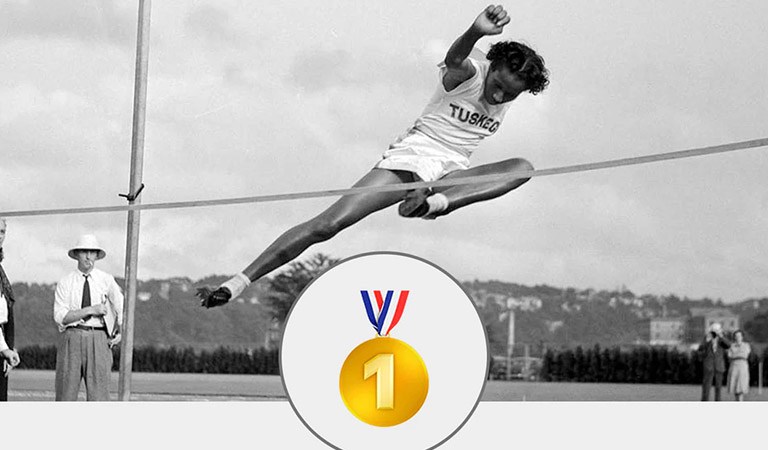


The 1996 Summer Olympics were a pivotal moment in the history of Atlanta, propelling the city onto the global stage and reshaping its landscape, economy, and identity. Often referred to as the Centennial Olympic Games, they marked 100 years since the inception of the modern Olympics and became a defining chapter for the city of Atlanta.
A Bold Bid and New Beginnings
When Atlanta was chosen to host the Olympics, beating the historical city of Athens, Greece, many were surprised. Challenges facing the city included shedding its dark historical associations, such as Confederate imagery at Stone Mountain. To counterbalance these concerns, Atlanta highlighted landmarks like the Martin Luther King Jr. Historic Site and built new, iconic venues to host events. Downtown underwent substantial revitalizations, including the creation of Centennial Olympic Park—a gathering spot that remains one of the city’s most popular attractions today.
Reshaping the Cityscape
The preparation for the Olympics led to significant urban development. Several facilities constructed for the games, including Centennial Olympic Stadium (now Turner Field), Forbes Arena at Morehouse College, and the Olympic Village housing at Georgia State University and Georgia Tech, continue to benefit the city. These venues serve everything from sports events to student accommodation. Other structures like the Atlanta Olympic Torch Tower and the Flair Monument stand as lasting reminders of this historic event.
Economic Impact
Hosting the Olympics came at a steep cost, with an estimated $1.8 billion spent on facilities, transportation upgrades, and infrastructure improvements. However, Atlanta’s reliance on corporate sponsorships and ticket sales yielded a $10 million profit. Critics labeled the games overly commercialized due to sponsorships by major brands like Coca-Cola and Samsung, but the economic benefits were undeniable. Atlanta’s international airport became one of the busiest globally, bolstered by the city’s elevated status.
Population and Cultural Transformation
Before the Olympics, Atlanta’s population hovered around 3 million. Following the games, it swelled to over 4.4 million, as the city attracted new residents and businesses alike. The Olympics introduced Atlanta to the world, making it a hub for cultural diversity and emerging as a global city.
A Legacy of Growth
The 1996 Olympics forever altered the trajectory of Atlanta, not just physically but also culturally and economically. Cemented as a thriving city, Atlanta continues to build on the momentum created by those transformative two weeks, proudly wearing its Olympic legacy.
This was not just an event; it was a turning point. For Atlanta, the games marked a bold declaration of its place on the world stage—a declaration that resonates to this day.
Keywords: 1996 Olympics, Atlanta transformation, Olympic legacy, urban development, economic impact
#Atlanta1996 #OlympicLegacy #CityTransformation