
Global viral outbreaks and communities of color are deeply linked in 2026, as Ebola, measles, yellow fever, Andes virus, and respiratory illnesses spread along lines of inequity. Lower vaccine access, conflict, and systemic gaps mean Black, Brown, and under-resourced populations face higher infection and death rates worldwide — making prevention and equitable investment urgent priorities.
Global Viral Outbreaks and Their Devastating Impact on Communities of Color
Answer-First Summary: Global viral outbreaks and communities of color are deeply linked in 2026, as Ebola, measles, yellow fever, Andes virus, and respiratory viruses spread along lines of inequity. Lower vaccination access, conflict, and systemic gaps mean Black, Brown, and under-resourced populations face higher infection and death rates worldwide.
Why Infectious Disease Disparities Demand Our Attention Now
Viruses do not discriminate, but our systems do. The same outbreaks that make headlines hit hardest in communities already stretched thin by poverty, displacement, and limited healthcare access.
In 2026, five major viral threats are testing health systems across the globe. From central Africa to the American South, the burden falls unevenly. Understanding this pattern is the first step toward closing the gap.
The connection between global viral outbreaks and communities of color is not a coincidence. It reflects decades of unequal investment, mistrust born from past harm, and barriers that keep life-saving care out of reach.
The Five Outbreaks Driving 2026 Health News
Here is a snapshot of the major viral epidemics health agencies are tracking right now. Each one carries lessons about racial health equity.
| Virus | Region | Confirmed Cases | Case Fatality Rate | Vaccine Available |
|---|---|---|---|---|
| Ebola (Bundibugyo strain) | DRC & Uganda | 896+ (DRC) | 26% | No approved vaccine for this strain |
| Measles | United States (41 jurisdictions) | 2,104 | 0 deaths in 2026 | Yes (MMR, 97% effective) |
| Andes Virus (Hantavirus) | Atlantic cruise ship cluster | 0 U.S. cases confirmed | High (HPS severe) | No |
| Yellow Fever | Americas & Africa (6 countries) | ~80 | Up to 50% in severe cases | Yes (single dose, lifelong) |
| Respiratory Viruses (HMPV, Parainfluenza) | United States (regional) | Elevated, surveillance-based | Low | No specific vaccine |
Ebola in the DRC: Viral Epidemics and Racial Health Equity Collide
The Bundibugyo strain of Ebola is tearing through the Democratic Republic of the Congo. As of mid-June 2026, the DRC reported 896 confirmed cases and 232 deaths, a brutal case fatality rate of 26%.
This strain is rare and dangerous. Standard Ebola vaccines target the Zaire strain, so they offer no protection here. There is no approved vaccine for Bundibugyo right now.
The WHO and Africa CDC have launched a $518 million continental response plan to contain the spread. Funding gaps remain a constant threat.
What makes this outbreak so deadly is where it lands. The virus is spreading through conflict-affected zones with displaced populations, overcrowded camps, and broken access to clean water and care. These are the conditions that turn an outbreak into a catastrophe.
Measles in America: Pandemic Impact on Minority Communities
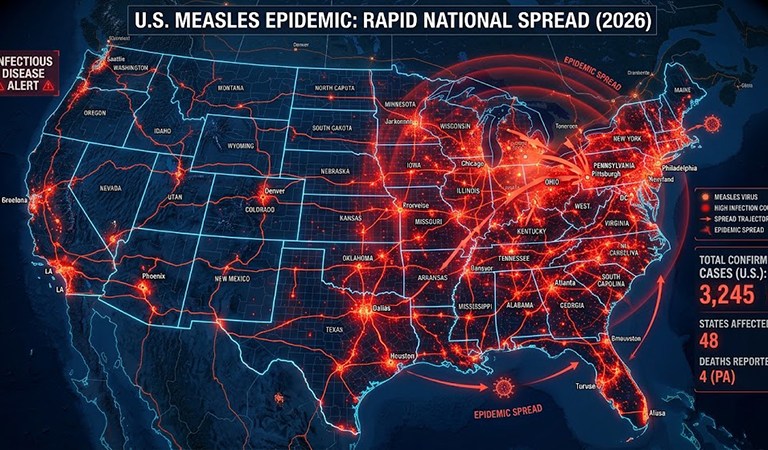
Measles is back in force across the United States. The CDC confirmed 2,104 cases as of June 18, 2026, spread across 41 jurisdictions, with 30 separate outbreaks this year alone.
The data tells a clear story. About 93% of cases involve people who are unvaccinated or whose status is unknown. This is a preventable crisis.
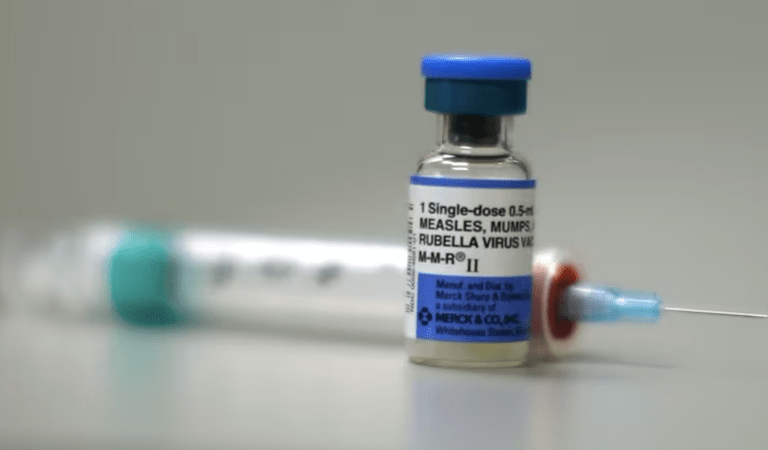
National MMR coverage among kindergarteners has slipped to 92.5%, below the 95% threshold needed for herd immunity. When coverage drops, the virus finds the gaps.
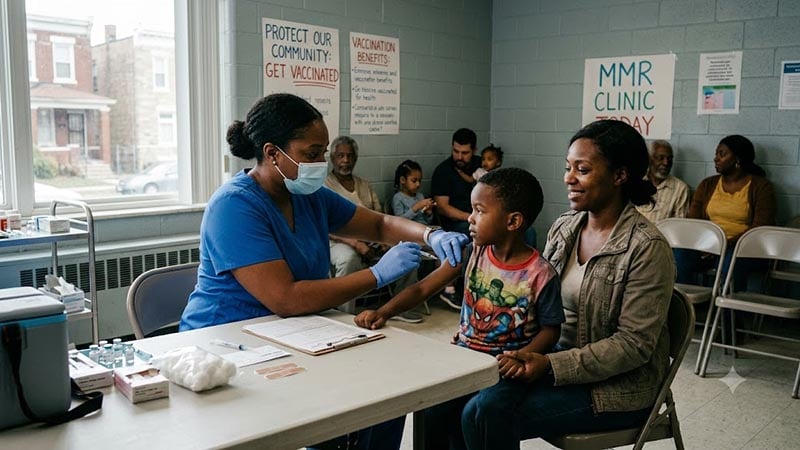
Those gaps are not random. Under-vaccinated communities, including many communities of color, face barriers like clinic access, paid time off, transportation, and historical mistrust of medical systems. Measles exploits every one of these cracks.
Andes Virus: A Rare Threat, A Familiar Lesson
The CDC recently wrapped up monitoring of a potential Andes virus cluster aboard the M/V Hondius cruise ship in the Atlantic. The agency repatriated 18 exposed people for a 42-day monitoring period.
That window ended on June 21, 2026, with zero confirmed U.S. cases. The risk to the American public stayed extremely low throughout.
Andes virus is a type of hantavirus that can cause severe pulmonary syndrome. It usually spreads through rodent contact, but scientists investigated rare human-to-human transmission in this cluster. The quick response shows what strong surveillance can do, a resource not every community enjoys.
Yellow Fever: Infectious Disease Disparities in Endemic Zones
Yellow fever continues to circulate across WHO Grade-3 emergency regions in the Americas and Africa. Nearly 80 human infections have been reported across six countries.
The vaccine is simple and powerful: one dose offers lifelong protection. Yet the WHO is urging unvaccinated people in endemic zones to seek it out urgently.
The populations at highest risk are disproportionately Black and Brown communities living in regions with thin healthcare infrastructure. When vaccines exist but cannot reach people, the disparity becomes the disease.
Respiratory Viruses: The Quiet Background Threat
Not every winter virus is fading. While COVID-19 and RSV are declining nationally in the U.S., the CDC notes that HMPV and Parainfluenza remain elevated in some regions.
These illnesses rarely make headlines. But they still strain hospitals and hit hardest in households with crowded living conditions and limited care options.
Why Communities of Color Carry a Heavier Burden
Several overlapping factors drive these health inequities. Recognizing them helps us fix them.
- Vaccine access gaps: Fewer clinics, longer travel, and limited hours in under-resourced areas
- Economic barriers: Lost wages and childcare costs make appointments harder to keep
- Historical mistrust: Past medical abuses left lasting wounds that affect care-seeking today
- Conflict and displacement: In regions like the DRC, war and migration shatter health systems
- Crowded housing: Close quarters speed the spread of airborne and contact-driven viruses
- Underfunded surveillance: Slower detection means outbreaks grow before they’re caught
How to Protect Yourself and Your Community
You have real power to reduce your risk. These steps make a difference.
- Check your vaccination status for measles (MMR) and yellow fever, especially before travel
- Stay current on routine immunizations for your whole household
- Know the symptoms of fever-based illnesses and seek care early
- Avoid rodent exposure when camping or traveling to reduce hantavirus risk
- Follow trusted travel alerts before visiting endemic or outbreak zones
- Share accurate information to push back against misinformation in your network
The Path Forward on Viral Epidemics and Racial Health Equity
Closing the gap takes more than individual action. It demands funded clinics, community trust-building, and equitable global investment.
The good news is that most of these threats are preventable. Vaccines work. Surveillance works. Community engagement works. We simply need to deliver them everywhere, not just in well-resourced places.
The story of global viral outbreaks and communities of color is still being written. We can change the ending.
Take Action Today
Protect yourself, your family, and your community. Check your vaccination records and talk to your healthcare provider about the MMR and yellow fever vaccines, especially if you plan to travel.
Stay informed with verified sources. Review the CDC Current Outbreak List and the WHO Disease Outbreak News for the latest case maps and travel alerts.
Frequently Asked Questions
How do global viral outbreaks impact communities of color differently?
Communities of color often face higher infection and death rates due to vaccine access gaps, economic barriers, historical mistrust, crowded housing, and underfunded health surveillance.
Is there a vaccine for the 2026 Ebola Bundibugyo outbreak?
No. Standard Ebola vaccines target the Zaire strain and do not protect against Bundibugyo. The WHO and Africa CDC launched a $518 million response plan in its absence.
Why are U.S. measles cases rising in 2026?
The CDC reports 2,104 cases driven largely by falling vaccination rates. MMR coverage among kindergarteners dropped to 92.5%, below the 95% herd-immunity threshold, with 93% of cases among the unvaccinated.
Did the Andes virus cruise ship outbreak reach the United States?
No. The CDC monitored 18 repatriated travelers for 42 days, ending June 21, 2026, with zero confirmed U.S. cases.
How can I protect myself from these outbreaks?
Stay current on vaccines like MMR and yellow fever, monitor official travel alerts, avoid rodent exposure, and check CDC and WHO resources before traveling.
#HealthEquity #ViralOutbreaks #CommunitiesOfColor