

Articulated Insight – “News, Race and Culture in the Information Age”
Black traditions are a vibrant tapestry woven from the rich histories, cultures, and experiences of Black communities. From art to dance, these traditions not only celebrate heritage but also continue to inspire generations. In this blog post, we’ll explore nine powerful Black traditions that have left an indelible mark on society.
From Storytelling to Music: The Power of Black Traditions
Storytelling has always been a vital part of Black culture, serving as a means to share history, preserve memories, and teach valuable lessons. Whether through oral traditions, literature, or performance, storytelling allows for a rich exchange of knowledge and creativity.
Oral storytelling is particularly significant, as it connects generations, passing down tales that contain moral and cultural wisdom. Elders often share stories that reflect the struggles and triumphs of their ancestors, creating a sense of continuity and belonging. For instance, many children grow up listening to stories of their family’s past, learning about their heritage and instilling pride in their roots.
Moreover, storytelling is not just a personal experience; it creates community bonds. Group storytelling sessions often occur at family gatherings or events, where laughter, tears, and cheers intertwine. Through this collective experience, people find common ground, fostering a sense of unity and shared identity that strengthens community ties.
The Soul of Music
Music is a heartbeat of the Black community, providing a source of joy, resistance, and unity. From spirituals to jazz to hip-hop, the evolution of Black music reflects the struggles and triumphs experienced over generations.
Each genre tells a story, resonating with the collective experiences of those who created it. Spirituals reflect a historical context of slavery and hardship, while jazz emerged as an expression of freedom and creativity during the Harlem Renaissance. Hip-hop, in its many forms, continues to speak truth to power, tackling issues of inequality and social justice.
Moreover, music serves as a communal experience that invites everyone to participate. From singing together in church to dancing at block parties, these moments forge connections and create lasting memories. They remind us that music is not just for listening; it’s about feeling, sharing, and celebrating life together.
Dazzling Dance Forms
Dance is a dynamic expression of Black identity, with styles like African dance, hip-hop, and stepping serving as both artistic outlets and forms of cultural expression. Each style tells a story, celebrating heritage and community.
African dance, with its vibrant rhythms and movements, often connects directly to ancestral roots. It is more than just a performance; it embodies spiritual and cultural significance. Whether it’s celebrating a harvest or marking a rite of passage, movement is at the core of these practices.
Hip-hop, born from urban streets, showcases the creativity and resilience of the youth, reflecting societal issues and personal struggles. Each dance battle serves as a testament to community spirit and individual expression, giving people a platform to showcase their talents and share their stories.
Culinary Heritage and Flavor
Food traditions in Black culture are rich and diverse, often reflecting a blend of African, Caribbean, and Southern influences. Dishes passed down through generations speak volumes about resilience, creativity, and community.
From hearty stews to soulful cornbread, each dish tells a story of survival and celebration. The act of cooking together fosters community and serves as a way to honor ancestors who came before. Family gatherings often center around food, reinforcing bonds through shared recipes and cherished memories.
Moreover, culinary traditions also spotlight the influence of African diaspora. Ingredients such as okra, black-eyed peas, and yams hold historical significance, showcasing the resourcefulness of Black cooks. They are not just food items, but symbols of cultural heritage that continue to thrive today.
Visual Arts and Their Impact
Visual arts serve as a powerful medium for self-expression within Black communities. Artists use their work to comment on social justice, celebrate culture, and inspire change, making visual arts an integral part of Black traditions.
The work of artists like Augusta Savage and Kehinde Wiley transcends mere aesthetics. Their pieces provoke thought and discussion, often challenging the status quo. Through vibrant colors and poignant themes, they present opportunities for viewers to engage with Black history and identity.
Furthermore, the importance of community art initiatives cannot be overstated. They often serve as a platform for emerging artists, providing spaces for creativity and dialogue. These initiatives encourage collaboration, allowing artists to connect with each other and share their diverse narratives.
Fashion as a Form of Resistance
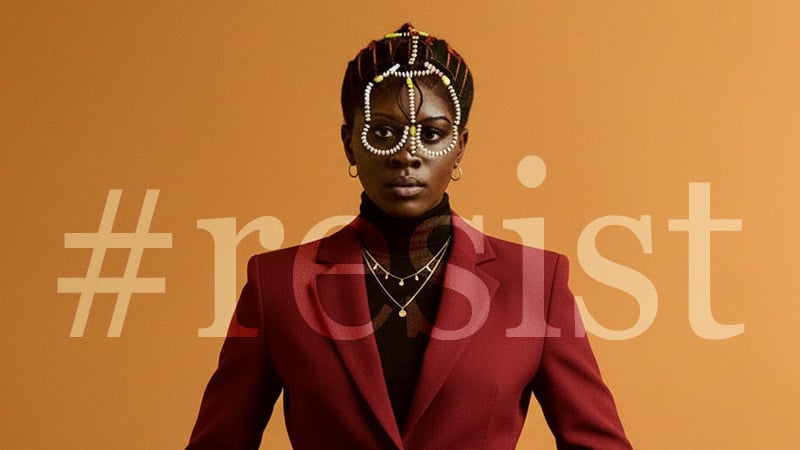
Fashion in Black culture showcases individuality and resistance. From the styles of the Harlem Renaissance to contemporary streetwear, fashion is a way to challenge societal norms while celebrating identity.
The bold patterns and colors often seen in Black fashion are more than just trends; they are statements of pride and defiance. Designers like Dapper Dan have redefined luxury by merging high fashion with street culture, showing that Black creativity knows no bounds.
Moreover, fashion often tells the story of struggle and triumph. The way people dress can reflect their cultural heritage, socio-political statements, and personal journeys. It becomes a canvas for self-expression where every outfit holds a meaning.
Spiritual Practices and Community
Spirituality and faith traditions in the Black community play a pivotal role in providing strength and support. These practices foster community bonds, celebrate heritage, and offer a sense of hope and resilience.
Church gatherings are central to many communities, not only serving as places of worship but also as hubs for social support and activism. The strength found in communal faith is palpable, with members uplifted through shared experiences and collective prayers.
Additionally, spiritual practices extend beyond traditional institutions, encompassing various forms of expression such as music, dance, and storytelling. These practices connect individuals to their roots, providing a sense of belonging and continuity.
The Celebration of Community Events
Community events like Juneteenth and Kwanzaa celebrate Black history and culture. These traditions bring people together, allowing for the sharing of stories, experiences, and a sense of unity.
Juneteenth, marking the end of slavery in the United States, is a beacon of hope and a celebration of freedom. Festivities filled with food, music, and storytelling serve to honor history while emphasizing resilience and empowerment.
Kwanzaa, founded on principles of unity and self-determination, encapsulates the spirit of togetherness. This celebration encourages individuals to reflect on their contributions to both community and culture while encouraging future generations to embrace their heritage.
Activism and Social Justice Movements
Activism rooted in Black traditions has paved the way for social change. From the civil rights movement to contemporary initiatives, these traditions continue to inspire and mobilize communities towards justice and equality.
Historical figures like Martin Luther King Jr. and Malcolm X used their platforms to advocate for change, drawing from the rich tapestry of Black history and resilience. Their messages resonate today as movements like Black Lives Matter carry the legacy forward, highlighting ongoing struggles against systemic racism.
Importantly, activism is often a communal effort, with everyday people coming together to effect change. Through peaceful protests, art, and social media campaigns, individuals leverage their voices, demonstrating that grassroots movements rooted in tradition can indeed reshape society.
#BlackTraditions #CulturalHeritage #CommunityUnity