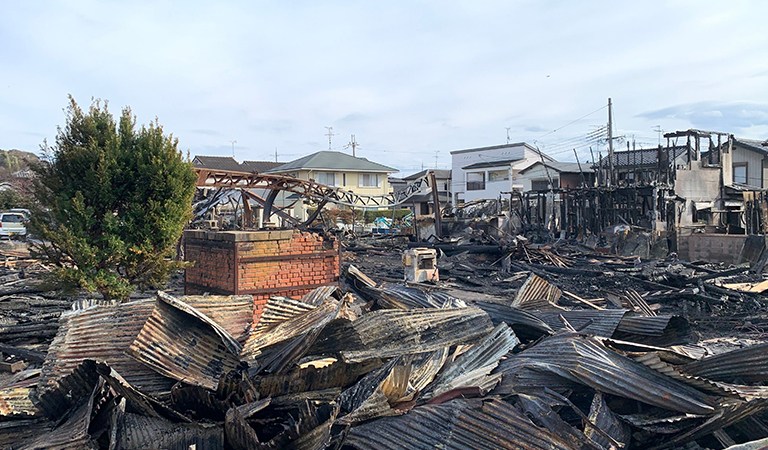

Global earthquake disasters struck three continents on June 24, 2026, in a single dramatic day. Twin quakes (magnitude 7.5 and 7.2) devastated northern Venezuela, killing hundreds. A magnitude 6.9 tremor rattled offshore Japan with no major damage, while a magnitude 5.6 quake hit Northern California, causing power outages and injuries. The sharp contrast in outcomes shows a clear truth: earthquakes are inevitable, but the human toll depends on preparation, building standards, and early warning systems.
On June 24, 2026, global earthquake disasters reminded the world how quickly the ground beneath us can turn against us. Within hours, the earth moved on three continents. In Venezuela, two powerful quakes struck back-to-back. Off the coast of northern Japan, a strong tremor sent coastal communities to their phones for tsunami alerts. And in Northern California, a quiet rural valley recorded its biggest shake in more than 80 years. Each event tells a different story, yet together they reveal something universal: major earthquakes worldwide don’t just break ground—they reshape lives, infrastructure, and how communities prepare for what comes next.
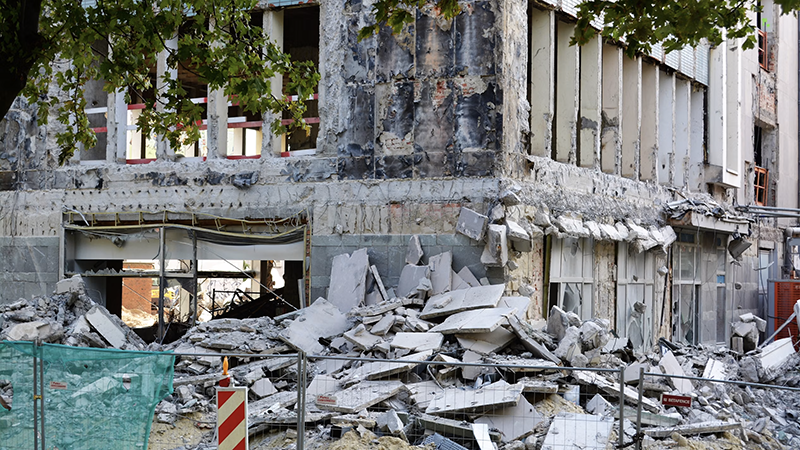
On June 24, 2026, the ground moved on three continents within hours of one another. In Venezuela, two powerful quakes struck back-to-back. Off the coast of northern Japan, a strong tremor sent coastal communities to their phones for tsunami alerts. And in Northern California, a quiet rural valley recorded its biggest shake in more than 80 years. Each event tells a different story, yet together they reveal something universal: earthquakes don’t just break ground—they reshape lives, infrastructure, and how communities prepare for what comes next.
A Single Day, Three Different Stories
Venezuela: Twin Quakes Rewrite a Century of Records
Northern Venezuela bore the worst of it. Two earthquakes—magnitude 7.5 and 7.2—struck within a minute of each other near San Felipe and Yumare. These were the strongest quakes the country had seen in over a century.
The result was devastating. Widespread destruction flattened buildings, cut off roads, and left hundreds of casualties in its wake. When two major quakes hit nearly simultaneously, the danger multiplies. The first weakens structures; the second finishes them off before anyone can escape. For affected families, the recovery will stretch far beyond the headlines. Official updates continue through the USGS Earthquake Hazards Program.
Japan: A Strong Tremor and a Calm Response
That same day, a magnitude 6.9 quake struck offshore near Iwate Prefecture in northern Japan. The shaking prompted brief coastal watches, but no major tsunami followed and no immediate casualties were reported.
Japan’s response shows what decades of preparation can achieve. The country sits in one of the most seismically active zones on Earth, and its people have learned to live with that reality. The Japan Meteorological Agency tracks aftershocks and pushes regional alerts in real time, giving residents the information they need to act fast. A quake of this size could have been catastrophic elsewhere. In Japan, it became a managed event.
Northern California: A Quiet Valley’s Loudest Day
In Redwood Valley, a magnitude 5.6 quake centered just 11 kilometers north of town became the largest earthquake in the North Coast region since 1940. It knocked out power across the area and caused several injuries.
By global standards, 5.6 is moderate. But for a community that hadn’t felt anything this strong in over 80 years, the impact was real. Residents could report their experience and learn more through the USGS Did You Feel It? portal, which crowdsources shaking data from thousands of people to map an earthquake’s reach.
Why the Ground Moves: Understanding Tectonic Settings
Earthquakes happen where the planet’s tectonic plates meet. These massive slabs of rock grind, push, and slide past one another, building up stress until it releases in a violent jolt.
California offers a textbook example. The state straddles the boundary between the Pacific and North American plates, which scrape past each other at roughly 1.5 inches per year. The famous San Andreas Fault runs about 800 miles from the Salton Sea to Humboldt County, marking the primary line between these two plates.
But the San Andreas isn’t alone. The entire western United States is tectonically active, laced with hundreds of faults capable of producing serious quakes. California alone experiences thousands of earthquakes every year. Most are too small to feel—but the potential for a major event is always present.
Lessons Written in History
To understand the future, it helps to look back. California’s two largest recorded quakes still shape how scientists and planners think today:
- 1857 Fort Tejon (Magnitude 7.9): One of the most powerful quakes in U.S. history, rupturing a long stretch of the San Andreas Fault.
- 1906 San Francisco (Magnitude 7.8): A defining disaster that reshaped a major American city and changed building practices forever.
Recent years have kept the pressure on. Northern California has seen impactful events, including a 7.0 magnitude offshore quake and now the 5.6 near Redwood Valley. Looking ahead, the USGS estimates a high probability of major earthquakes (magnitude 6.7 or greater) striking heavily populated areas like Los Angeles and the San Francisco Bay Area in the coming decades. The question isn’t whether the next big one will come—it’s when.
The Hidden Dangers: Hazards Beyond the Shaking
The shaking itself is only the beginning. Earthquakes trigger a cascade of secondary threats that can prove just as deadly.
Liquefaction and landslides. When intense shaking hits water-saturated sandy soil, the ground can behave like liquid. Solid foundations sink or tilt, and infrastructure fails. On sloping terrain, the same shaking can unleash landslides that bury roads and homes.
Tsunami threats. Most California quakes involve horizontal plate movement, which rarely triggers tsunamis. But certain offshore faults, like the Mendocino Fracture Zone, carry real tsunami risk. That’s why offshore quakes, such as the one near Japan, prompt immediate coastal watches.
Secondary disasters. Often the deadliest damage comes after the shaking stops. The catastrophic fires that followed the 1906 San Francisco earthquake destroyed far more of the city than the quake itself. Ruptured gas lines, downed power, and disrupted water supplies turn a single event into a chain of emergencies.
Preparing for the Next One: Mitigation That Saves Lives
The good news is that communities can dramatically reduce the harm earthquakes cause. Preparation makes the difference between a manageable event and a tragedy.
Early Warning Systems
California uses the California Earthquake Early Warning System to push ShakeAlert warnings to phones and public infrastructure. These alerts give people precious seconds of notice before severe shaking begins. That may not sound like much, but a few seconds is enough to drop, cover, and hold on—or to stop a train, halt surgery, or open firehouse doors.
Home Retrofitting
Older buildings carry the greatest risk. Agencies like Cal OES strongly encourage upgrading homes built before 1980. Two steps matter most: bolting the structure to its foundation and bracing cripple walls. These relatively affordable fixes keep houses from sliding off their foundations during a quake, preventing some of the most common and costly structural damage.
Emergency Kits and Family Plans
When disaster strikes, you may be on your own for days. Experts recommend preparing a disaster supply kit with at least three days’ worth of food, water, and medicine. Just as important is a clear family communication plan—so everyone knows how to reach one another and where to meet when phones and power go down.
What the World Can Learn
Three earthquakes, three very different outcomes. Venezuela faced a historic disaster with hundreds of casualties. Japan absorbed a strong quake with calm, coordinated response. Northern California weathered its largest shake in generations with power outages and injuries but no loss of life.
The contrast isn’t an accident. It reflects geology, yes—but also decades of investment in early warning, building standards, and public education. Earthquakes are inevitable. The scale of their human toll is not. Communities that prepare, retrofit, and plan ahead give themselves the best chance to recover quickly and protect the people who matter most.
The earth will shake again. The real question is whether we’ll be ready when it does.
#EarthquakeDisasters #SeismicSafety #DisasterPreparedness