

Articulated Insight – “News, Race and Culture in the Information Age”

Celebrating African American culture is a vital part of fostering unity and understanding. Event marketing offers a fantastic opportunity to uplift these rich traditions and make them accessible to all. In this blog, we’ll explore fifteen creative event marketing ideas that can help showcase and honor African American culture while engaging your audience.
1. Host Cultural Festivals to Highlight Traditions
Cultural festivals provide a rich tapestry of experiences, mixing food, art, music, and dance that reflect the heritage of African American communities. From the rhythmic beats of live performances to the tantalizing aromas wafting from food stalls, these festivals serve as a vibrant platform for showcasing the myriad traditions that define African American culture.
Additionally, these gatherings foster a sense of belonging and community spirit. Attendees can interact with artists and chefs, learning the stories behind the crafts and cuisines, thus deepening their appreciation. But beyond mere enjoyment, festivals can be an excellent avenue for promoting local businesses, which thrive on the foot traffic generated by such events.
2. Create Interactive Workshops Reflecting Historical Arts
Offering workshops in crafts, dance, or music helps participants connect with the traditions and practices that are significant to African American culture. Imagine an afternoon where participants learn the intricacies of African drumming or try their hands at quilt-making—a practice rich in history and narrative.
These hands-on sessions are not just about skill-building; they are about storytelling. Encouraging attendees to share their interpretations and personal connections can lead to a deeper appreciation and understanding, allowing the rich tapestry of African American culture to unfold before their eyes.
3. Leverage Social Media for Awareness Campaigns
Using social media platforms to share stories and achievements can inspire engagement and promote your events to a wider audience. With visually captivating posts and heartfelt stories, event marketers can paint a dynamic picture of African American culture that resonates with both young and old.
Engagement doesn’t stop at likes and shares; it can blossom into meaningful discussions. Encouraging attendees to share their experiences online can create a ripple effect, drawing even more interest. Harnessing hashtags related to African American heritage can further spread awareness and connect various event-goers in a larger conversation.
4. Organize Storytelling Events Featuring Local Narratives
Storytelling brings oral traditions to life, allowing the audience to connect emotionally with the experiences and history of African American communities. Inviting local storytellers to share personal anecdotes and ancestral tales can be a powerful draw, transforming events into platforms of history and identity.
Moreover, integrating modern storytelling methods, such as digital media and interactive performances, can engage younger audiences more effectively. The magic of a well-told story has the power to captivate, educating participants about their cultural heritage while preserving the practices of the past.
5. Facilitate Community Art Projects to Encourage Collaboration
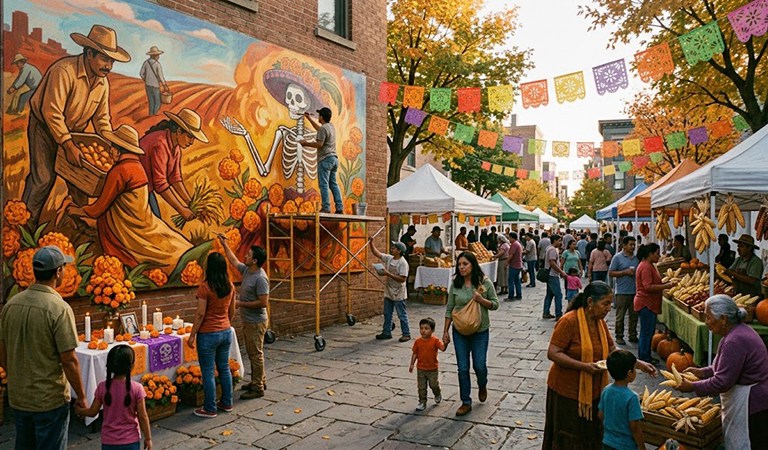
Community art projects can foster unity while showcasing local talent and celebrating African American history and artistry. Imagine a mural project where community members contribute their designs, each reflecting aspects of their culture, stories, or heritage. This not only beautifies the space but also becomes a testament to collective memory.
Involving artists from various backgrounds can amplify different perspectives, ensuring that the representation is as diverse as it is authentic. The act of creating art together fosters a sense of camaraderie and shared purpose, allowing participants to walk away with not just a piece of art but a profound understanding of unity in diversity.
6. Implement Virtual Reality Experiences for Historical Insights
Incorporating technology can provide immersive experiences that help attendees gain insight into critical moments in African American history. Picture a VR setup that allows participants to experience a day in the life of notable figures from the civil rights movement or travel back in time to significant events.
Utilizing cutting-edge technology not only captures attention but also provides an educational tool that bridges gaps in understanding. When people can visualize and almost feel the historical context, it leads to a deeper emotional connection and an eagerness to learn more.
7. Host Film Screenings Featuring Relevant Documentaries
Screening powerful documentaries can educate audiences about African American culture, struggles, and triumphs while sparking meaningful discussion. Films can serve to both entertain and inform, providing insights that textbooks often overlook.
Hosting a post-screening discussion can further enrich the experience. Encouraging audiences to share their thoughts, feelings, and questions opens avenues for dialogue that can continue well beyond the event, fostering a sense of community.
8. Partner with Local Businesses for Collaborative Events
Collaboration with local businesses can amplify your outreach while supporting the community’s economy, forming a bond through mutual incentives. One-plus-one often equals greater than two when businesses come together to celebrate culture by sponsoring events or contributing resources.
Whether it’s a local restaurant providing food for an event or a bookstore hosting readings, these partnerships can strengthen community ties and create a vibrant atmosphere. The reciprocal benefits amplify the message while ensuring the community’s voices are heard.
9. Encourage Volunteer Participation for Community Involvement
Encouraging volunteer support makes the community part of the event and fosters a sense of ownership and inclusion in celebrating culture. Volunteering creates opportunities for community members to connect and collaborate, turning event planning into a shared venture.
By involving local talent and enthusiasts, you can cultivate a team that’s genuinely invested in the success of the event. These connections among volunteers can often lead to lasting friendships and collaborations long after the event concludes.
10. Develop Themed Events Around Significant Historical Dates
Plan your events around important historical dates, such as Martin Luther King Jr. Day or Juneteenth, which can add relevance and significance. These dates not only mark pivotal moments in history but also remind us of the continuous struggle for equality and justice.
Commemorating these days with focused events draws historical connections and pays homage to those who fought for progress. Incorporating elements like discussions, performances, or themed activities can deepen the audience’s understanding and appreciation.
11. Utilize Podcasts to Share Insights and Interviews
Podcasts can provide platforms for voices within the community, promoting the sharing of experiences and knowledge that enrich understanding. It’s a space where listeners can engage with thought leaders, artists, and historians, learning directly from their insights.
Creating a series that connects to an event theme invites listeners to delve deeper into cultural discussions, further enhancing the event’s relevance and reach. Podcasts can be shared prior to the events, piquing interest and drawing a larger crowd.
12. Create and Distribute Culture-Themed Merchandise
Merchandise that highlights culture can be an avenue for expression while promoting your events and raising awareness. Items such as t-shirts, tote bags, or handcrafted items made by local artists can reflect important cultural symbols, fusing meaning with everyday utility.
By allowing attendees to take home a piece of culture, you create lasting connections that extend beyond the event. Profits from these items can also contribute back to community initiatives, fueling a cycle of support and empowerment.
13. Establish Scholarship Programs to Support Emerging Talent
Scholarships can help preserve the legacy of African American culture by supporting students who wish to explore their heritage through education. By establishing scholarship programs focused on the arts, history, or social justice, you can empower the next generation of leaders.
These scholarships can open doors for young talent while creating role models who can further uplift their communities. It’s essential to celebrate and invest in emerging voices that continue the narrative and progress of African American culture.
14. Invite Guest Speakers to Share Special Insights
Guest speakers can inspire and enrich the event with their unique perspectives and experiences, adding depth to the celebrations. When respected voices from the community share their knowledge, it elevates the event, transforming it from entertainment to a learning experience.
Tailoring speaker sessions around the theme of your event can lead to discussions that resonate deeply with attendees. This not only enhances engagement but also encourages participants to seek out more information, conversations, and connections related to the topics presented.
15. End with a Community Feast Celebrating Traditional Cuisine
A communal feast can offer a delicious way to celebrate African American culinary traditions while bringing the community together. Food has a unique power to connect people with their culture and roots, making it an essential component of cultural expression.
By featuring classic dishes and inviting local chefs or home cooks, you can showcase the diversity of flavors along with their stories. Gathering around food not only heightens the sense of community but also provides a delightful opportunity to educate attendees about the significance behind the dishes served.
#CelebrateCulture #EventMarketing #AfricanAmericanHeritage