

As summer temperatures soar across the globe, extreme heat is emerging not just as a seasonal inconvenience—but as a public health emergency. The summer of 2025 is projected to be among the hottest on record, with more frequent and severe heatwaves expected in both urban and rural areas worldwide (World Meteorological Organization [WMO], 2025). For seniors, people with chronic conditions, and those without stable housing, the stakes couldn’t be higher.
Heat-related illnesses range from mild heat rash to life-threatening heatstroke. According to the Centers for Disease Control and Prevention (CDC), more than 700 people die from extreme heat each year in the United States alone (CDC, 2023). Globally, excess heat events have increased in frequency and intensity, often worsening existing health disparities (Gasparrini et al., 2015).
Older adults, children under four, individuals with chronic diseases, and the unhoused are most at risk. High humidity, lack of access to air conditioning, and limited mobility all increase vulnerability (CDC, 2023).
Common Heat-Related Illnesses
Heat Rash
Symptoms: Red clusters of small blisters, usually on neck, chest, or groin
Action: Keep area dry and cool; wear loose clothing; avoid ointments that trap heat
Heat Cramps
Symptoms: Muscle pain or spasms, typically in legs or abdomen
Action: Stop physical activity; move to a cool place; drink water or electrolyte fluids
Heat Exhaustion
Symptoms: Heavy sweating, weakness, dizziness, nausea, fainting, cold and clammy skin
Action: Move to air-conditioned place; cool down with wet cloths or bath; sip water slowly
Heat Stroke (Medical Emergency)
Symptoms: Body temp ≥103°F, confusion, unconsciousness, hot/dry skin or profuse sweating
Action: Call 911 immediately; move to a cooler environment; apply cold packs or wet cloths
Safety Tips
To stay safe this summer:
Hydrate Often: Drink water consistently, even if you don’t feel thirsty. Avoid alcohol and caffeine.
Dress for the Weather: Wear lightweight, loose-fitting, and light-colored clothing.
Stay Indoors During Peak Hours: Avoid outdoor activity between 10 a.m. and 4 p.m.
Use Fans and Air Conditioning Wisely: Visit public libraries, malls, or cooling centers if you do not have air conditioning.
Check on Others: Especially older adults, and those with limited mobility or chronic illnesses.

Know the Signs: Familiarize yourself with the symptoms of heat-related illness.
Heat Alert Systems
Cities often use a color-coded or tiered heat alert system to notify residents and activate services:
Heat Advisory
Trigger: Feels like (heat index) ≥100°F for 1+ days
Action: Public messaging, extended library/recreation center hours
Excessive Heat Watch
Trigger: Extreme heat possible within next 24–72 hours
Action: Cooling center prep, healthcare provider alerts, coordination with emergency services
Excessive Heat Warning
Trigger: Heat index ≥105–110°F for 2+ hours
Action: Activate cooling centers, distribute water, expand shelter services
Heat Emergency
Trigger: Severe forecasted temperatures threaten health and safety
Action: Mandatory cooling center openings, suspend utility shutoffs, deploy emergency teams
Guidance for Elected Officials
City leaders play a critical role in preventing heat-related illness and death:
Cooling Centers: Designate air-conditioned public spaces for respite
Mobile Cooling Units: Use AC-equipped buses to reach unhoused populations
Community Partnerships: Engage local organizations to check on vulnerable residents
Urban Greening: Expand tree canopy and green space to reduce urban heat
Multilingual Alerts: Ensure outreach is culturally appropriate and accessible
Planning is Essential
Extreme heat is no longer a distant climate threat—it’s here, and it’s deadly. As global temperatures continue to rise, we must act now to protect our communities.
Whether you’re a resident checking in on a neighbor or a city official shaping public safety plans, your actions can make the difference between comfort and crisis, between safety and suffering. Preparation is not optional, it is essential.
References
Centers for Disease Control and Prevention. (2023). Heat-related illness.
Environmental Protection Agency. (2023). Using green infrastructure to reduce urban heat islands.
Gasparrini, A., Guo, Y., Hashizume, M., Kinney, P. L., Petkova, E. P., Lavigne, E., … & Armstrong, B. G. (2015). Mortality risk attributable to high and low ambient temperature: A multicountry observational study. The Lancet, 386(9991), 369–375.
Knowlton, K., Kulkarni, S. P., Azhar, G. S., Mavalankar, D., Jaiswal, A., Connolly, M., … & Hess, J. J. (2014). Development and implementation of South Asia’s first heat-health action plan in Ahmedabad (Gujarat, India). International Journal of Environmental Research and Public Health, 11(4), 3473–3492.
Kuras, E. R., Hondula, D. M., Brown-Saracino, J., & Balling, R. C. (2020). Heterogeneity in perceptions of local heat risk and barriers to adaptation: A mixed-methods analysis. Journal of Environmental Psychology, 70, 101469.
World Meteorological Organization. (2025). Global seasonal climate update – Summer 2025.

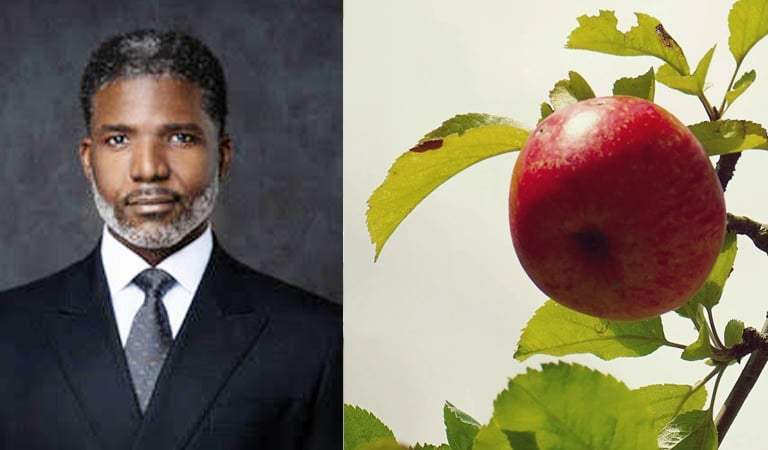
Dr. Frederick Echols, MD, is available as a subject matter expert on public health for press interviews and speaking engagements.
###
About Dr. Fredrick Echols, MD
Dr. Fredrick L. Echols, MD is the founder and Chief Executive Officer of Population Health and Social Justice Consulting, LLC, an Obama Foundation Global Leader, sought-after public speaker, black men’s health advocate, and accomplished physician with over 15 years of experience in public health. He has worked extensively with public and private sectors to address complex health issues through evidence-informed approaches. Dr. Echols is a graduate of the Centers for Disease Control and Prevention Population Health Training in Place program and the ASTHO-Morehouse School of Medicine’s Diverse Executives Leading in Public Health program.
Passionate about health and justice, Dr . Echols’ notable roles include serving as Chief Executive Officer for Cure Violence Global, Health Commissioner for the City of St. Louis, and Director of Communicable Disease and Emergency Preparedness for the St. Louis County Department of Public Health. In these roles, he oversaw public health regulations, led COVID-19 response efforts, managed daily operations, and developed strategic partnerships. Dr. Echols also served as Chief of Communicable Diseases for the Illinois Department of Public Health and as a physician in the U.S. Navy. He continues to contribute to public health research and guides health organizations globally.
For more health tips follow Dr. Fredrick Echols @ Fredrick.Echols@gmail.com
Follow Dr. Echols on socials:
LinkedIn: @FredrickEcholsMD ( www.linkedin.com/in/fredrick-echols-m-d-5a2063225)
Facebook: @FredrickEchols
Instagram: @F.EcholsMD
#ExtremeHeat #HeatSafety #UrbanResilience