
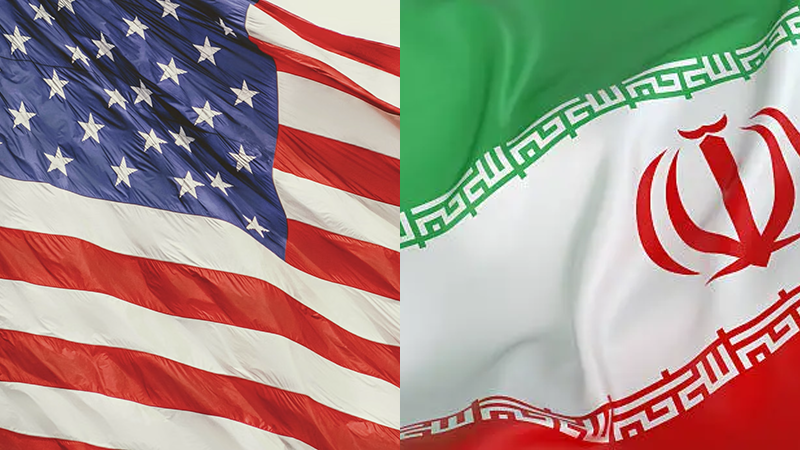
America is now fully engaged in the escalating conflict between Israel and Iran, a moment that demands clarity, coordination, and institutional strength. Yet the nation enters this volatile theater with a federal workforce in retreat, diplomatic relationships in disrepair, and internal confusion over its own intelligence assessments. This is a dangerous place from which to project power.
The Trump–Vance administration’s discretionary funding proposal for Fiscal Year 2026 calls for sweeping reductions in the federal workforce and a 65% increase in Department of Homeland Security spending. While framed as “efficiency,” the impact has been a hollowing out of the agencies most critical to global stability: the Department of State, USAID, Homeland Security, and public health infrastructure. These cuts come precisely when multidimensional coordination—military, humanitarian, and diplomatic—is most vital.
Gone, too, are the robust interagency partnerships and multinational negotiations that defined U.S. foreign policy for decades. Years of transactional diplomacy and withdrawal from global frameworks have left allies hesitant and adversaries emboldened. NATO partners express public concern over U.S. unpredictability. Meanwhile, rivals like Russia and China observe America’s disjointed approach with strategic patience—and opportunity.
Nowhere is this internal discord more visible than in the President’s public contradiction of his own National Security Director, who recently stated there was “no current evidence” that Iran is building a nuclear weapon. The President’s televised declaration that Iran is “on the brink” sends conflicting signals to allies and enemies alike. When a commander-in-chief undercuts his own intelligence community, strategic credibility is lost—and with it, deterrence.
The consequences are already unfolding:
- Iran and its proxies may now view the U.S. as a direct combatant, raising the risk of asymmetric retaliation, including cyberattacks and terrorism.
- Global alliances are fraying further, as traditional partners question America’s direction and moral authority.
- Humanitarian crises are worsening, with little indication that the U.S. has prepared civilian or diplomatic mechanisms to match its military engagement.
- Global norms and legal frameworks continue to erode as major powers abandon multilateralism in favor of unilateral force.
Critically, the administration’s own budget signals its priorities: massive reductions in public health funding, the elimination of diversity, equity, and inclusion programs across federal agencies, and the downsizing of behavioral health and international aid efforts. These are not just bureaucratic shifts—they’re choices with real-world consequences for national resilience and global leadership.
Before entering this war, the President should have considered five realities:
- The weakened capacity of the federal workforce to sustain prolonged, multifaceted engagement.
- The erosion of diplomatic relationships that traditionally buffered U.S. action with legitimacy.
- The national security risks of conflicting executive and intelligence messaging.
- The domestic costs of military overreach without a parallel investment in civilian preparedness.
- The damage to America’s global reputation as a reliable, principled power.
Instead, the U.S. moved forward—understaffed, diplomatically isolated, and internally fractured.
America’s strength has never rested solely on its weapons. It rests on trust—between agencies, between allies, and between leadership and the people. If we are to navigate this conflict without compounding harm, we must restore that trust by investing in the very institutions that safeguard truth, strategy, and diplomacy.
No nation can bomb its way to stability. In the absence of credible infrastructure and moral clarity, war becomes not a demonstration of strength—but a symptom of decline.
#USMiddleEast #ForeignPolicy #NationalSecurity