
Many popular American food brands contain chemicals and additives that are banned in other countries due to health concerns. Ingredients like trans fats, artificial dyes, and preservatives have been linked to risks such as heart disease, hyperactivity, and cancer. This article explores seven such foods and the reasons behind their bans.
Chemicals in Popular American Foods: Are They Harmful?
Certain American food brands, beloved by many, are banned in other countries due to stricter food safety regulations. These bans often stem from concerns about harmful chemicals and additives. Let’s explore seven common foods and the reasons they’re restricted abroad.
Harmful Additives in Ritz Crackers
Ritz Crackers, a household favorite in the U.S., are banned in several European Union countries, including Denmark and Switzerland. The reason? They contain partially hydrogenated cottonseed oil, a trans fat linked to heart disease. Trans fats raise LDL cholesterol levels, increasing the risk of cardiovascular issues.
Twinkies: Artificial Dyes and High-Fructose Corn Syrup
Twinkies, the iconic sponge cakes, are restricted in countries like Norway and Austria. They contain Yellow 5, Yellow 6, and Red 40, artificial dyes associated with hyperactivity in children and allergic reactions. Additionally, their high-fructose corn syrup and hydrogenated oils are heavily regulated in the EU due to links with obesity and heart disease.
Preservatives in Stove Top Stuffing
Stove Top Stuffing, a Thanksgiving staple, contains BHA (butylated hydroxyanisole) and BHT (butylated hydroxytoluene). These preservatives, banned in the EU, UK, and Japan, prevent spoilage but are linked to blood-clotting risks and potential carcinogenic effects.
Coffee-Mate: Trans Fats in Your Creamer
Coffee-Mate, a popular coffee creamer, is banned in countries like Norway and Iceland. It contains hydrogenated oils and trans fats, which studies suggest increase the risk of heart disease, Type 2 diabetes, and Alzheimer’s. These health risks have led to stricter regulations abroad.
Ractopamine in Pork Products
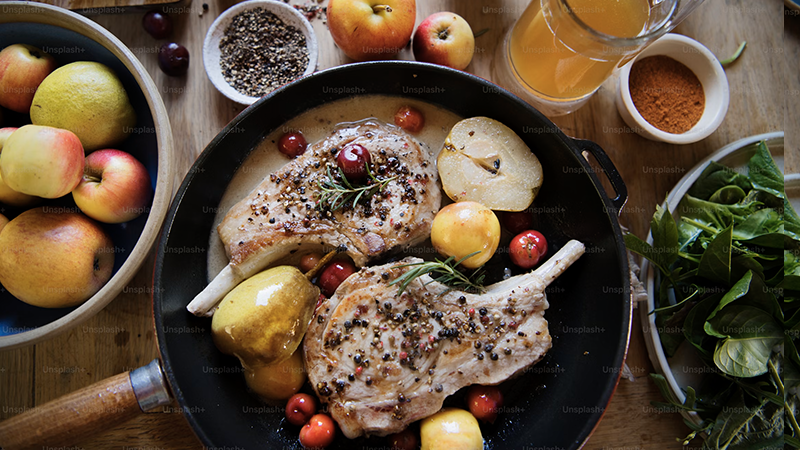
Pork products in the U.S. often contain ractopamine, a drug used to promote muscle growth in pigs. This additive is banned in the EU, South Korea, and the UK due to its association with cancer risks, elevated heart rates, and neurological side effects. Additionally, some countries impose temporary bans on pork to control disease outbreaks like African swine fever.
Artificial Dyes in Froot Loops
Froot Loops, a colorful breakfast cereal, contains Red 40, Yellow 5, and Yellow 6, as well as the preservative BHT. While Kellogg’s offers versions with natural colorings in the UK and Canada, some countries ban the cereal entirely due to concerns about hyperactivity in children and potential carcinogenic effects.
Gatorade: Artificial Dyes and BVO
Gatorade, a popular sports drink, has faced restrictions in countries like Japan and Austria. It contains Yellow 5 and Yellow 6, which are linked to hyperactivity in children. Previously, Gatorade also included brominated vegetable oil (BVO), a chemical associated with thyroid damage and neurological symptoms, though it has since been removed.
What Can Be Done?
While these foods remain popular in the U.S., their bans abroad highlight the need for stricter regulations and healthier alternatives. Opting for products with natural ingredients and fewer additives can reduce potential health risks.
Related Reading
For more insights into food safety and health, check out The Narrative Matters.
Learn more about food additives and their health impacts from the European Food Safety Authority (EFSA).
#FoodSafety #BannedFoods #HealthRisks