
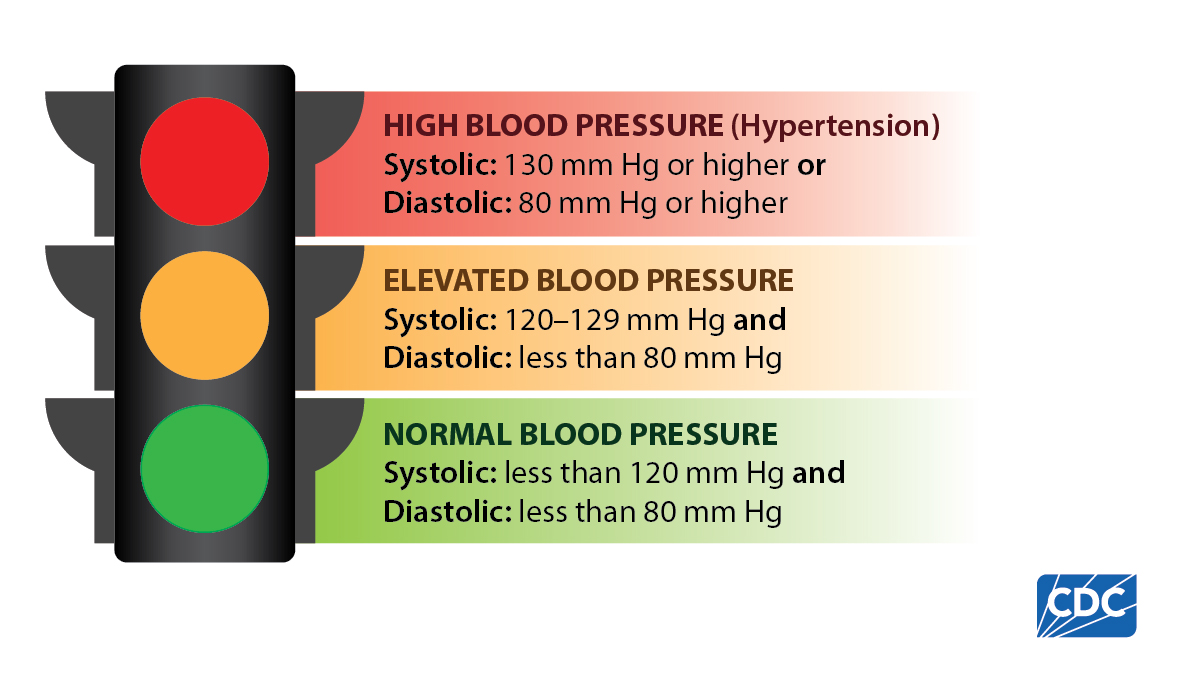
High blood pressure, or hypertension, occurs when the force of blood pushing against your artery walls is consistently too high. Medical professionals diagnose it by wrapping an inflatable cuff around your arm to measure systolic and diastolic pressure. A reading of 130/80 mm Hg or higher typically indicates hypertension, requiring prompt medical intervention to prevent heart disease and stroke.
Understanding and diagnosing high blood pressure is the critical first step in protecting your cardiovascular health. Many people live with this condition for years without noticing a single symptom. Doctors often call it the “silent killer” because it silently damages your heart, brain, and kidneys over time.
If you want to maintain a long, healthy life, you need to know how your circulatory system functions. This guide explains how medical providers evaluate elevated blood pressure, what the numbers mean, and what you can do to take control of your health.
What Is High Blood Pressure (Hypertension)?
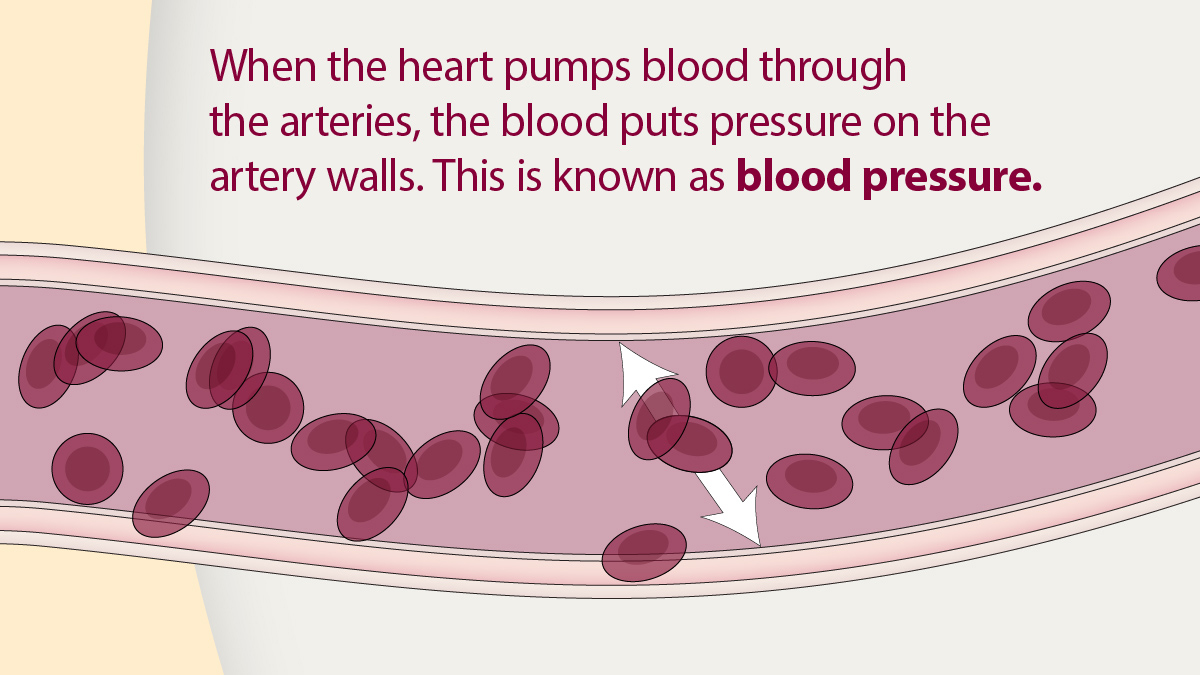
Blood pressure measures the pressure of blood pushing against your blood vessel walls. Your heart pumps blood through these vessels every time it beats. When this pressure rises and stays high, it forces your heart to work harder to pump blood throughout your body.
Healthcare providers use two numbers to measure this pressure. The first number is systolic blood pressure, which measures the pressure in your arteries when your heart beats. The second number is diastolic blood pressure, which measures the pressure when your heart rests between beats.
Detecting high blood pressure early allows you to make lifestyle changes before serious damage occurs. To understand your readings, refer to the diagnostic criteria below.
Blood Pressure Categories
Medical professionals use specific guidelines for identifying hypertension. The table below outlines the standard categories used during diagnosis:
| Blood Pressure Category | Systolic (Top Number) | Diastolic (Bottom Number) | Action Required |
|---|---|---|---|
| Normal | Less than 120 | Less than 80 | Maintain healthy habits |
| Elevated | 120 – 129 | Less than 80 | Adopt lifestyle changes |
| Stage 1 Hypertension | 130 – 139 | 80 – 89 | Consult a doctor |
| Stage 2 Hypertension | 140 or higher | 90 or higher | Seek medical treatment |
| Hypertensive Crisis | Higher than 180 | Higher than 120 | Call emergency services |
The Importance of Early Detection
Evaluating elevated blood pressure early prevents severe health complications. When you leave hypertension untreated, it hardens your arteries and decreases the flow of blood and oxygen to your heart. This decreased blood flow can lead to chest pain, heart attacks, or heart failure.
High blood pressure also impacts your brain. It can burst or block arteries that supply blood and oxygen to the brain, causing a stroke. Protecting your overall wellness requires regular health screenings and stress management. For more insights on maintaining a balanced lifestyle, explore this guide on improving mental and physical wellness.
Steps for Diagnosing High Blood Pressure
Doctors do not diagnose hypertension based on a single high reading. Blood pressure fluctuates throughout the day based on stress, physical activity, and even the food you eat. Because of this, understanding and diagnosing high blood pressure requires multiple readings over a period of time.
Proper Measurement Techniques in the Clinic
When you visit a clinic, the nurse or doctor will place an inflatable cuff around your upper arm. To ensure an accurate reading, you should sit quietly in a chair for at least five minutes before the test. Your feet should rest flat on the floor, and your arm should be supported at heart level.
Avoid drinking caffeine, smoking, or exercising for at least 30 minutes before your appointment. Sometimes, patients experience “white coat hypertension,” which means their blood pressure spikes solely due to the stress of being in a doctor’s office. If your doctor suspects this, they will likely recommend outside monitoring.
Ambulatory and Home Monitoring
To confirm a diagnosis, your healthcare provider might ask you to track your blood pressure at home. Home monitoring helps doctors see how your cardiovascular system behaves in your normal environment. You can purchase a validated digital blood pressure monitor at most local pharmacies.
Alternatively, your doctor may order 24-hour ambulatory blood pressure monitoring. This involves wearing a device that automatically inflates and measures your blood pressure at regular intervals throughout the day and night. This continuous data provides the most accurate picture of your cardiovascular health.
What Causes Elevated Blood Pressure?
Hypertension develops over time. While some medical conditions cause sudden spikes, primary hypertension usually results from a combination of genetics and lifestyle choices. Identifying these factors helps you and your doctor build an effective treatment plan.
Common risk factors include:
- Diet high in sodium: Consuming too much salt causes your body to retain fluid, increasing blood pressure.
- Lack of physical activity: An inactive lifestyle leads to higher heart rates and weight gain.
- Obesity: Excess weight requires more blood to supply oxygen to your tissues, increasing the pressure on artery walls.
- Tobacco use: Smoking temporarily spikes blood pressure and damages the lining of your artery walls.
- Chronic stress: High stress levels can lead to temporary, dramatic increases in blood pressure.
- Age and family history: The risk of hypertension increases as you get older, especially if it runs in your family.
Next Steps and Treatment Options
Once your doctor confirms a hypertension diagnosis, they will work with you to lower your numbers. Treatment almost always begins with lifestyle modifications. Your provider will likely suggest eating a heart-healthy diet, exercising for 150 minutes a week, and limiting alcohol intake.
If lifestyle changes do not lower your numbers enough, your doctor will prescribe medication. Common medications include diuretics, ACE inhibitors, and calcium channel blockers. Each medication works differently to relax blood vessels or help your body eliminate excess sodium and water.
For comprehensive clinical guidelines on managing and treating this condition, we highly suggest reviewing the Centers for Disease Control and Prevention (CDC) resources on high blood pressure.
Taking Control of Your Heart Health
Understanding and diagnosing high blood pressure empowers you to take charge of your cardiovascular health. You do not have to wait for symptoms to appear before making positive changes. Schedule an annual physical exam, ask for a blood pressure screening, and talk to your doctor about your risks.
By monitoring your numbers and adopting heart-healthy habits, you can effectively manage hypertension. Make the choice today to prioritize your heart, reduce your stress, and secure a healthier future.
#HighBloodPressure #HeartHealth #HypertensionAwareness