
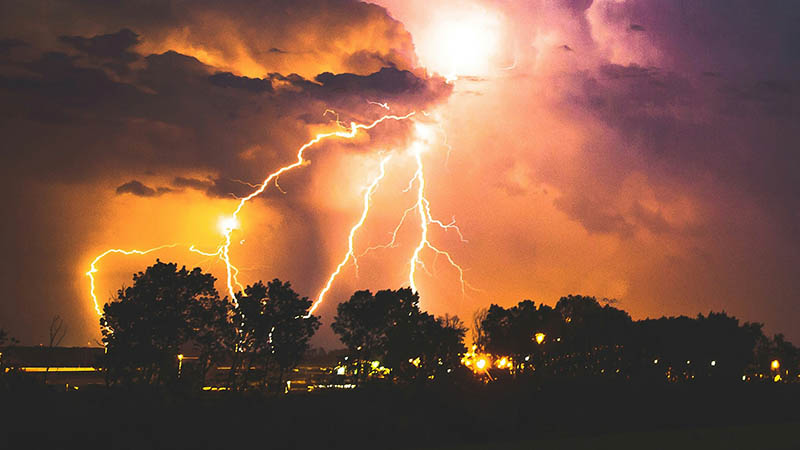
As of late April 2026, the United States faces a marathon severe weather outbreak. Communities across the Plains, Midwest, and South are battling destructive tornadoes, 90-mph winds, and large hail. Simultaneously, localized flooding strikes the Midwest while extreme fire risks threaten 15 million people in the central states.
Spring often brings shifting climates, but the intense weather in the U.S. during April 2026 is setting new benchmarks for widespread severity. A multi-day storm system is currently carving a path of destruction from the Great Plains into the Midwest and the South. This relentless marathon of storms leaves millions of residents facing power outages, structural damage, and overlapping environmental hazards.
[mcb-block id=235317]Understanding the scope of this intense weather in the U.S. helps communities prepare, respond, and recover more effectively. We will break down the localized impacts, the meteorological drivers behind this outbreak, and how neighborhoods are navigating the cleanup process.
The Anatomy of the April 2026 Outbreak
A severe weather outbreak occurs when multiple destructive storm systems develop over a short period, affecting a large geographic area. The late April 2026 event is a classic multi-day outbreak driven by colliding air masses over the central United States.
Tornado Emergencies in the Central Plains
Tornadoes represent the most immediate threat to life and property during this storm cycle. Multiple tornadoes have touched down across the Central plains.
On April 23, a highly destructive tornado struck Enid, Oklahoma. The National Weather Service issued a rare “tornado emergency” for the area, signaling an extreme threat to human life and confirmed catastrophic damage. The twister compromised local infrastructure, tore roofs from commercial buildings, and leveled residential neighborhoods.
Beyond Oklahoma, communities in Kansas, Iowa, and Nebraska also faced active tornado warnings throughout the week. Emergency management teams are currently assessing the structural damage across these regions.
High-Velocity Winds and Giant Hail
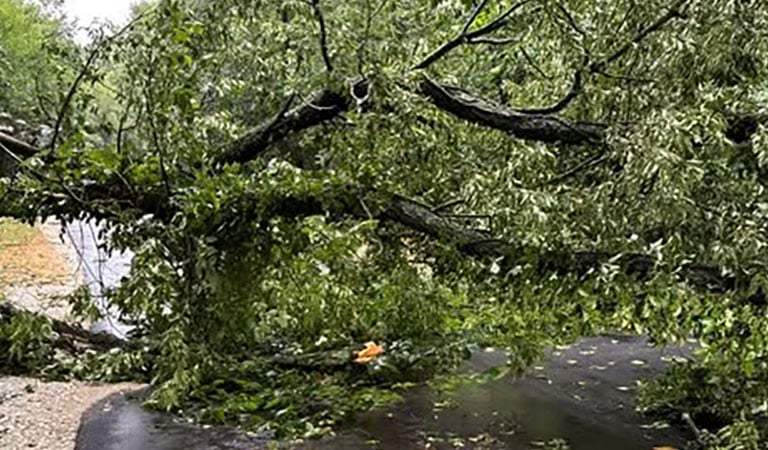
While tornadoes capture headlines, straight-line winds and hail often cause a wider footprint of property damage. High-intensity wind gusts ranging from 60 to 90 mph have swept across Illinois, Indiana, Missouri, and Oklahoma.
These hurricane-force gusts bring distinct challenges:
- Snapping mature trees and utility poles.
- Causing widespread power outages affecting hundreds of thousands of customers.
- Overturning commercial vehicles on major interstate highways.
Powerful supercell storms in the Mississippi Valley are also producing giant hail. Ice chunks large enough to shatter windshields and puncture roofs have pelted vehicles and homes. Auto repair shops and roofing contractors in these states are overwhelmed by the sudden influx of repair requests.
The Dual Extremes: Water and Fire
The sheer geographic scale of this system means different regions face entirely different atmospheric threats. While the Midwest deals with too much moisture, the central plains face dangerous dry spells.
Localized Flooding Sweeps the Midwest
Heavy, intense rainfall over short periods creates severe runoff problems. Several rounds of relentless rain have triggered localized flooding across the Midwest, particularly in Wisconsin and Illinois.
Rivers have breached their banks, and municipal drainage systems cannot keep pace with the deluge. Emergency responders have executed multiple water rescues for drivers stranded in submerged vehicles. Flash flood warnings remain active as saturated ground refuses to absorb additional rainfall.
Read more about community resilience and infrastructure updates at The Narrative Matters.
Critical Fire Warnings and Mountain Snow
West of the storm’s main precipitation bands, conditions are dangerously dry. High winds combined with low humidity have triggered critical fire weather alerts.
Over 15 million people across the central U.S. remained under red flag warnings through Friday, April 24. These dry, windy conditions mean that a single spark could ignite a fast-moving, uncontrollable wildfire. Fire departments have pre-positioned resources to respond instantly to any reported smoke.
Further west, the intense weather takes yet another form. Heavy mountain snow is blanketing the Sierra Nevada in California. This late-season snowfall complicates travel through mountain passes but provides a critical boost to the state’s snowpack and summer water reservoirs.
Assessing the Regional Impacts
To understand the full scope of this marathon weather event, we must look at the data by region.
Summary of Weather Impacts by Region (April 2026)
| Region | Primary Threat | Notable Impacts |
|---|---|---|
| Central Plains | Tornadoes & Wind | Tornado emergency in Enid, OK; extensive structural damage. |
| Midwest | Flooding & Hail | Water rescues in WI and IL; widespread roof and vehicle damage. |
| South | Wind & Tornadoes | 60-90 mph gusts causing massive power outages. |
| Central U.S. | Fire Weather | Red flag warnings for 15+ million people due to high winds. |
| West Coast | Mountain Snow | Heavy late-season accumulation in the Sierra Nevada. |
Community Recovery and Resilience
The ongoing marathon stretch of severe weather leaves little room for communities to catch their breath. Many neighborhoods, particularly in the Midwest, are still cleaning up from previous storm waves that struck earlier in the month.
The Cleanup Process
Recovery is a phased approach that requires immense coordination. First responders focus on search and rescue and clearing vital roadways. Utility crews follow, working 16-hour shifts to replace downed lines and restore power to critical facilities like hospitals and water treatment plants.
Homeowners face the daunting task of assessing property damage. Tarping roofs, removing fallen trees, and documenting losses for insurance claims take weeks to complete. The emotional toll of enduring back-to-back storm systems also weighs heavily on local residents.
Upgrading Local Infrastructure
These events highlight the urgent need for climate-resilient infrastructure. Urban planners are evaluating how to upgrade stormwater systems to handle rapid rainfall. Utility companies are exploring the feasibility of burying power lines in high-risk wind corridors to prevent future blackouts.
For more information on national weather safety protocols, visit the official Federal Emergency Management Agency (FEMA) guidelines.
How You Can Prepare for the Next Storm
Intense weather in the U.S. is a reality that requires proactive planning. You can take immediate steps to protect your household before the next warning is issued.
- Establish a safe room: Identify an interior room on the lowest floor of your home, away from windows.
- Build an emergency kit: Stock up on bottled water, non-perishable food, flashlights, batteries, and a first-aid kit.
- Stay informed: Invest in a battery-operated NOAA weather radio to receive alerts if cellular networks fail.
- Review insurance policies: Ensure your homeowner’s insurance covers wind and hail damage, and consider adding a separate flood insurance policy if you live in a low-lying area.
As the cleanup from the April 2026 outbreak continues, the resilience of American communities remains on full display. By understanding the dynamics of these storm systems and prioritizing preparedness, we can navigate the dangers of severe spring weather together.
#SevereWeather #TornadoOutbreak #CommunityResilience