

DISC Health Equity Action Lab
Overview: Kidney stones develop when minerals like calcium, oxalate, and uric acid crystallize in concentrated urine, causing intense flank pain, blood in the urine, and potential long-term kidney damage if left unaddressed. While smaller stones can pass naturally through increased fluid intake, larger obstructions often require medical interventions like shock wave lithotripsy, ureteroscopy, or surgical removal. Consistent daily hydration, targeted dietary adjustments, and routine medical checkups remain the most effective strategies to prevent recurrence and protect lifelong kidney function.
Recognizing critical symptoms, navigating modern medical treatments, and building daily hydration habits to stop painful recurrences before they start
Kidney Stones: Causes, Symptoms, and Prevention Tips
Kidney stones, also known as nephrolithiasis, are a common yet painful condition that affects one in ten people during their lifetime. These solid deposits, made of minerals and salts, form inside the kidneys and can range in size from a grain of sand to a golf ball. Understanding the causes, symptoms, treatment options, and prevention methods for kidney stones is essential for maintaining kidney health and preventing complications like chronic kidney disease (CKD).
What Are Kidney Stones?
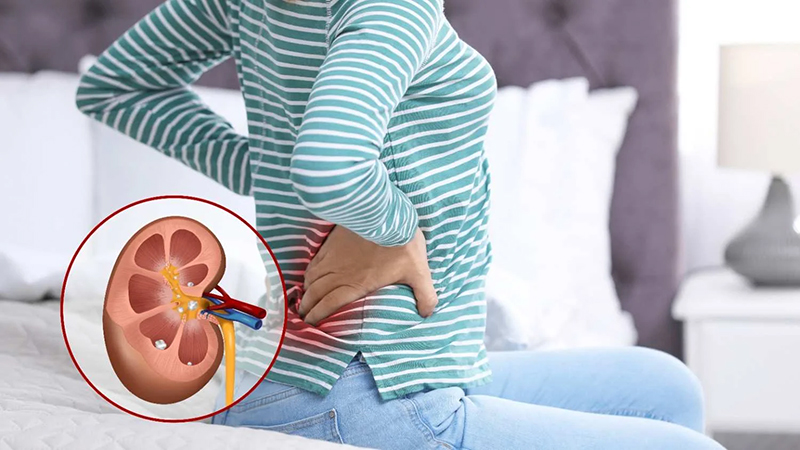
Kidney stones are hard mineral and salt deposits that develop in the kidneys. They form when urine becomes concentrated, allowing minerals like calcium, oxalate, and uric acid to crystallize and stick together. These stones can cause immense pain as they pass through the urinary tract.
Causes of Kidney Stones
Several factors contribute to the formation of kidney stones, including:
- Dehydration: Insufficient water intake leads to concentrated urine, increasing the risk of stone formation.
- Diet: High consumption of calcium, oxalate, and uric acid-rich foods can trigger stone development.
- Family History: A genetic predisposition to kidney stones increases the likelihood of recurrence.
- Medical Conditions: Obesity, urinary tract infections (UTIs), and certain medications can also play a role.
Symptoms of Kidney Stones
The symptoms of kidney stones can vary depending on their size and location. Common signs include:
- Severe flank or abdominal pain, often radiating to the groin
- Nausea and vomiting
- Blood in the urine (hematuria)
- Frequent and painful urination
- Cloudy or foul-smelling urine
Complications of Kidney Stones
If left untreated, kidney stones can lead to serious complications, such as:
- Urinary Tract Infections (UTIs): Stones can block the urinary tract, leading to infections.
- Kidney Damage: Persistent blockages can cause kidney damage or even kidney failure.
- Chronic Kidney Disease (CKD): Recurrent kidney stones increase the risk of CKD, emphasizing the importance of early detection and management.
Diagnosing Kidney Stones
Diagnosing kidney stones typically involves:
- Imaging Tests: CT scans and ultrasounds help identify the size and location of stones.
- Urine Analysis: Tests can detect underlying causes, such as high mineral levels.
Treatment Options for Kidney Stones
Treatment depends on the size and severity of the stones:
- Small Stones: These may pass naturally with increased fluid intake and pain management.
- Larger Stones: Medical interventions may include:
- Extracorporeal Shock Wave Lithotripsy (ESWL): Breaks stones into smaller pieces.
- Ureteroscopy: Removes stones using a thin scope.
- Surgical Removal: Necessary for severe cases.
Preventing Kidney Stones
Prevention is key to avoiding the pain and complications of kidney stones. Here are some tips:
- Stay Hydrated: Drink plenty of water throughout the day to dilute urine.
- Adopt a Balanced Diet: Limit sodium, oxalate-rich foods, and animal proteins. Avoid excessive calcium and purine-rich foods like certain meats and seafood.
- Regular Checkups: Individuals with a history of kidney stones should schedule routine medical checkups for early detection and management.
Related Topics and Resources
For more insights into kidney health and related conditions, check out The Narrative Matters for expert articles on chronic kidney disease and other health topics.
Additionally, learn more about kidney stone prevention and treatment from trusted sources like the National Kidney Foundation.
Conclusion
Kidney stones are a common yet preventable condition that can significantly impact your quality of life. By understanding the causes, symptoms, and treatment options, and by adopting proactive prevention strategies, you can take charge of your kidney health. Remember, knowledge is power when it comes to your well-being. Stay informed, stay hydrated, and consult your healthcare provider for regular checkups.
About
DISC Health
The Health Equity Action Lab (HEAL) is an initiative by Dynasty Interactive Screen Community aimed at addressing health disparities in the U.S. and globally. By engaging media and stakeholders, HEAL seeks to reduce health inequalities and raise awareness. Their approach includes overcoming socio historical barriers and confronting the institutional, social, and political factors that perpetuate healthcare inequality.
Howard University Hospital (HUH)
Howard University Hospital, established in 1862 as Freedmen’s Hospital, has a rich history of serving African Americans and training top medical professionals. Located in Washington, D.C., it is the only teaching hospital on the campus of a historically Black university. HUH is a Level 1 Trauma Center and a critical healthcare provider for underserved populations. It offers advanced medical services, including robotic surgery, and has received numerous accolades for excellence in specialties like heart care, stroke treatment, and radiology.
Learn more about Howard University Hospital (HUH)
Howard University Faculty Practice Plan (FPP)
The Howard University Faculty Practice Plan is a multi-specialty physician group in Washington, D.C., dedicated to advancing healthcare and eliminating health disparities. It offers comprehensive services, including primary and specialty care, mental health, imaging, and cancer care, all connected to Howard University Hospital. FPP emphasizes patient-centered, respectful care for the diverse community and provides free health screenings and events to promote wellness.
Learn more about Howard University Faculty Practice Plan (FPP)
#KidneyHealth #KidneyStones #HealthTips