
From Unlikely Player to Mentor: The Eric Payne Chess Story
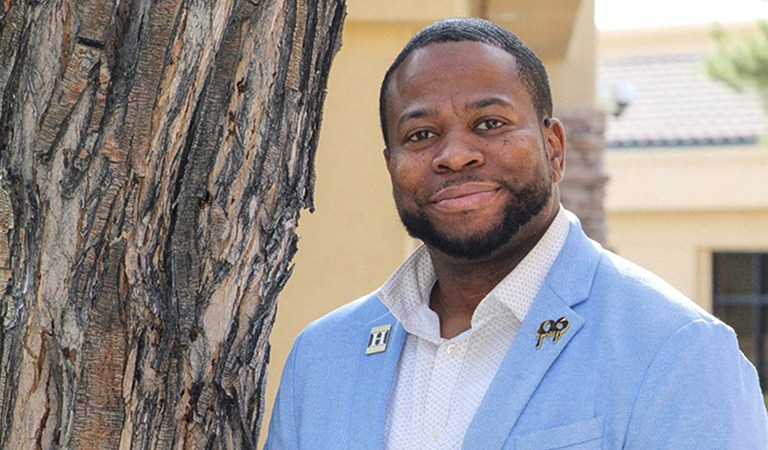
Eric Payne’s journey into the world of chess was not planned—it was a move of providence. Born and raised in the West City Goodfellow and Wells neighborhood of St. Louis, Missouri, he never imagined becoming a dedicated chess instructor. Yet, today, he uses the game to teach strategic thinking, discipline, and life skills to a new generation.
This is the story of how a chance encounter and an unexpected passion created a pathway to purpose, transforming both his life and the lives of his students.
An Unlikely Beginning
Raised by his grandmother, Eric had no initial interest in chess. For over 25 years, a man named Mr. Boyd—a gifted former math teacher who left the classroom to teach chess full-time—tried to introduce him to the game. The lessons never stuck.
That changed less than a dozen years ago. During a time when Eric needed part-time work, his landlord suggested he contact Mr. Boyd’s wife, who owned a janitorial company. This connection led to a call from Mr. Boyd himself. After meeting with him for three consecutive days, what began as a casual re-introduction to the game ignited into a calling.
Mr. Boyd needed a beginner chess teacher and, as Eric describes it, “threw him out there.” And it clicked.
From Private Lessons to the St. Louis Chess Club
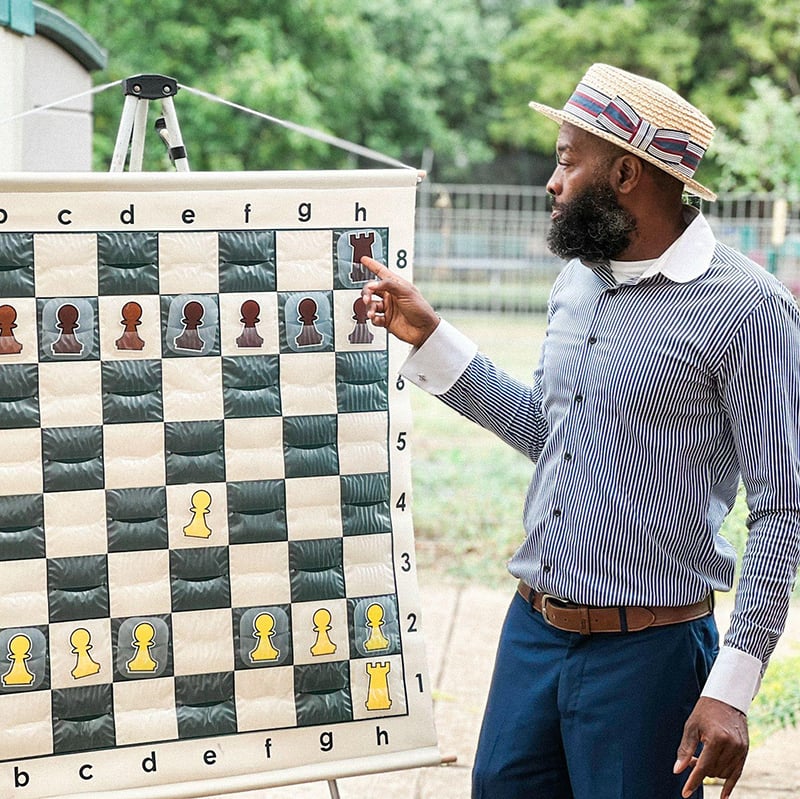
Eric began teaching privately, and word of his unique approach spread quickly. Parents started asking for business cards, and the demand for his instruction grew. His career accelerated when he was hired at the prestigious St. Louis Chess Club.
This position provided access to a wider community and competitive tournaments. Eric began taking his students to compete, and they started winning. Watching their reactions and seeing their confidence blossom with each first-place victory changed everything for him.
This momentum inspired him to launch his own nonprofit, Know Payne Know Gain Chess, where he now serves as a chess instructor and mentor to students of all ages.
Chess is Life: More Than Just a Game
Eric doesn’t just teach how the pieces move on the board; he teaches how minds should move through life. He emphasizes the profound connection between the game and real-world decisions.
“One bad move on the chessboard can cost you your life,” he explains. “So I show them how to think instead of just moving.”
The Power of Strategic Thinking
He often points out that many people first learn to play chess in prison. His message is clear: he wants to equip children with strategic thinking skills before life’s challenges force them to learn the hard way.
To Eric, chess is a powerful tool for development:
- Mathematical Reasoning: He views the game as an application of math, with its near-endless patterns and possibilities.
- Discipline and Foresight: With 960 million possible checkmate patterns, the game demands patience and the ability to think two to three moves ahead.
- Accountability: He teaches that bad choices have consequences, both on the board and in daily life.
- Emotional Control: Losing isn’t a failure but a lesson in sportsmanship and resilience.
In an age of digital distraction, Eric notes that many of his students now prefer chess over video games. He believes the game relieves pressure, sharpens the brain, and builds a foundation for success.
A Mission of Youth Mentorship and Healing
Eric’s mission extends far beyond tournaments and trophies. His work is a form of youth mentorship aimed at providing stability and guidance. He makes a heartfelt offer to parents, especially those facing difficulties at home.
“If their dad is not around, if their child has emotional trauma—send them to me,” he says. “I’ll give them a free session. I promise you, in time, your child will become better.”
His impact continues to grow. Eric is now expanding his reach through his YouTube channel and is preparing to teach chess inside the St. Louis City and St. Louis County jails. He aims to bring strategy, discipline, and hope to incarcerated individuals, offering them tools for a better future.
Building a Lasting Legacy
When asked what he wants his legacy to be, Eric’s focus isn’t on his accomplishments as a chess coach.
“I want people to know I directed them to Jesus and God’s way of learning how to live right,” he shares. “If they just sit and focus and learn one piece at a time, they will become successful.”
For Eric Payne, chess is more than a board game. It’s a ministry, a mentorship program, and a method for moral and mental conditioning. He’s not just teaching children how to win matches; he’s teaching them how to win at life—one move at a time.
Excerpt:
Eric Payne’s journey from a reluctant student to a celebrated chess instructor proves that strategy isn’t just for the board—it’s for life. Through his nonprofit, Know Payne Know Gain Chess, he uses the game to teach critical thinking, discipline, and resilience to youth in St. Louis, turning a simple pastime into a pathway for purpose.
#ChessIsLife #StLouisMentor #YouthEmpowerment