

Here’s The Top World News Stories: The U.S.-Iran escalation intensified on June 11, 2026, when American forces launched a second day of airstrikes on Iranian targets. Iran retaliated and closed the Strait of Hormuz, a vital oil route. Congress pushed back with a War Powers Resolution, while U.S. inflation surged to 4.2% on rising energy costs.
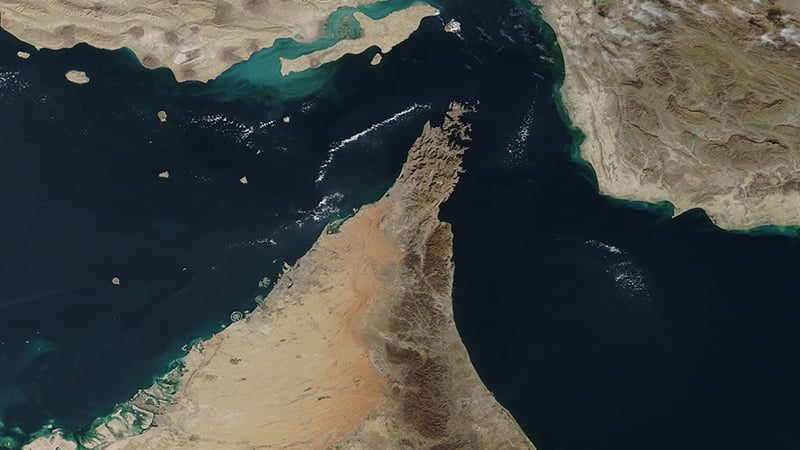
Top World News Stories Week June 11: U.S.-Iran Escalation: Strikes, Hormuz Closure, and Soaring Inflation
Strikes and the Strait of Hormuz Shutdown
The growing U.S.-Iran conflict reached a flashpoint as U.S. Central Command described its strikes as “self-defense.” In response, Tehran claimed missile attacks on U.S. bases in Kuwait and Jordan and announced the full closure of the Strait of Hormuz
Why the Strait Matters
- It carries roughly one-fifth of global oil supply.
- Its closure threatens shipping and spikes fuel prices.
- It widens the diplomatic and military standoff.
Congress Pushes Back
In a rare rebuke of President Trump, the House passed a War Powers Resolution on June 4. Four Republicans joined Democrats to demand removal of U.S. forces from hostilities without congressional approval.
Inflation Climbs to a Three-Year High
| Indicator | Value | Driver |
|---|---|---|
| Inflation (May) | 4.2% | Energy costs |
| Gas prices | +40% YoY | Middle East conflict |
This standoff directly fed price pressure, pushing inflation to its highest level in three years.
Summary
The U.S.-Iran escalation reshaped global energy, politics, and markets in one week—strikes, a Hormuz shutdown, congressional resistance, and 4.2% inflation.
#USIranEscalation #StraitOfHormuz #Inflation