

Articulated Insight – News, Race and Culture in the Information Age
Addressing Inequities in Communities of Color in 2026: Systemic Challenges Communities of Color
CIn 2026, communities of color in the U.S. continue to face systemic challenges that hinder progress and equity. Among these, economic disparities and environmental racism stand out as critical issues. These challenges, deeply rooted in historical injustices, demand immediate attention to create a fairer society. By addressing these inequities, we can pave the way for a more inclusive future.
Economic Disparities: A Persistent Barrier
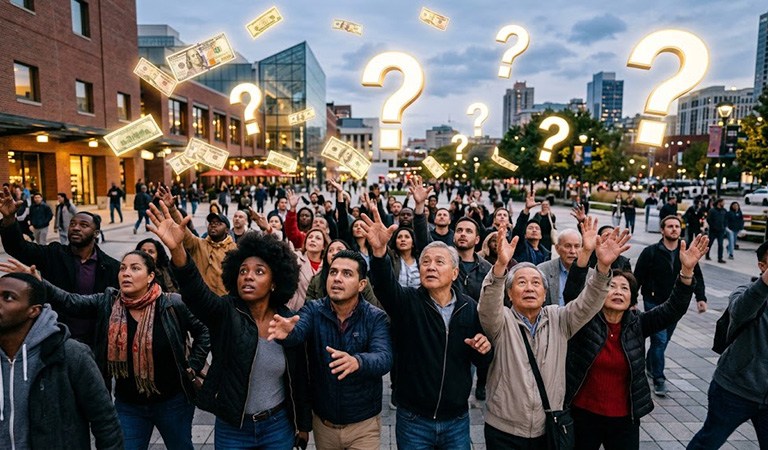
Economic disparities remain a significant obstacle for communities of color. Despite similar education levels, Black and Brown individuals often earn less than their White counterparts. This wage gap limits opportunities for wealth creation, such as homeownership, and leaves families more vulnerable during economic downturns.
Moreover, unemployment rates are consistently higher for communities of color. This disparity is not just a statistic—it represents real families struggling to make ends meet. For example, potential cuts to social safety nets could worsen these challenges, making it even harder for marginalized groups to achieve financial stability.
To learn more about the racial wealth gap, check out this article on The Narrative Matters.
Environmental Racism: A Hidden Crisis
Environmental racism is another pressing issue that disproportionately affects communities of color. These communities are often located in areas with higher pollution levels, which leads to chronic health conditions like asthma and cancer. For instance, children growing up in polluted neighborhoods are more likely to develop respiratory issues, impacting their quality of life and future opportunities.
Unfortunately, a lack of environmental protections exacerbates these problems. Without strong policies, pollution levels in vulnerable areas will continue to rise, further endangering the health of these communities. Addressing environmental racism is not just about cleaner air—it’s about ensuring everyone has the right to live in a safe and healthy environment.
For further reading on environmental racism, visit NRDC.
The Role of Policy in Driving Change
Policy changes play a crucial role in addressing these systemic challenges. Inclusive policies can help close the racial wealth gap, improve access to quality health care, and reduce environmental hazards. However, without community-driven advocacy, these changes may not come quickly enough.
It’s essential to support initiatives that prioritize equity and justice. By doing so, we can create a society where everyone has the opportunity to thrive, regardless of their background.
Conclusion
Economic disparities and environmental racism are two of the most significant challenges facing communities of color in 2026. These issues are deeply interconnected, as financial instability often forces families to live in areas with higher pollution levels. Addressing these challenges requires bold action, from policy reforms to grassroots advocacy. Together, we can build a future where equity and justice are not just ideals but realities.
#SocialJustice #EquityMatters #CommunitiesOfColor