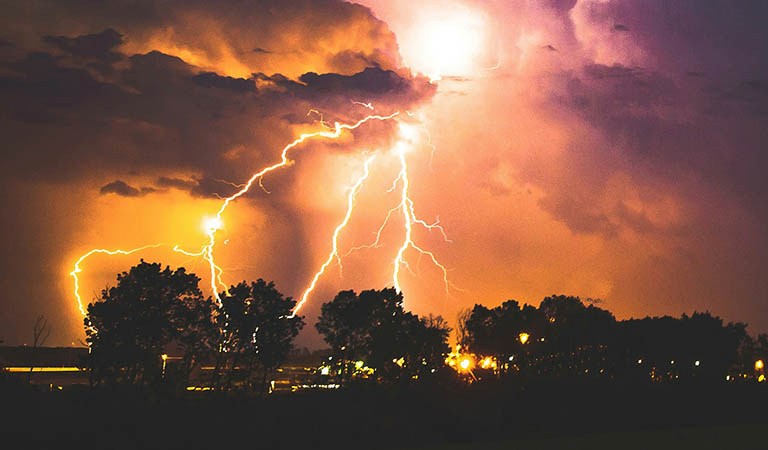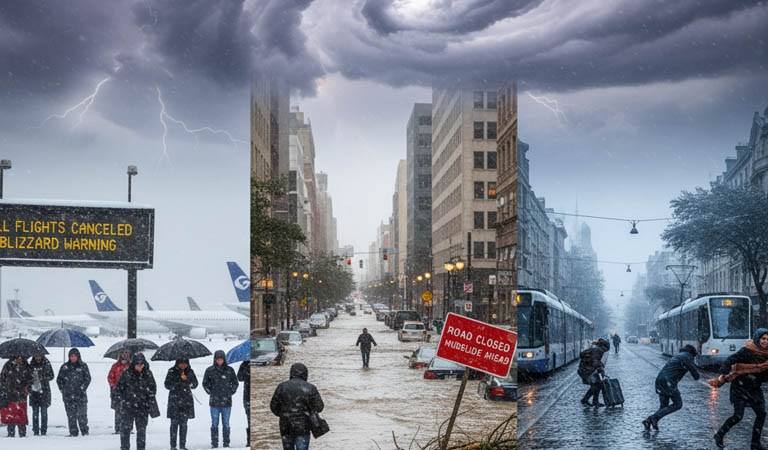

Global weather disasters this week span five continents. Europe faces record early-summer heatwaves, Afghanistan suffers deadly flash floods, the U.S. battles tornadoes and wildfires, South America floods, and Tropical Cyclone Mekkhala churns the Pacific with 231 km/h winds. Hundreds have died, and mass displacement continues.
The latest wave of global weather disasters this week has pushed emergency services to their limits across the planet. From scorching heat in Western Europe to fatal flooding in Asia, extreme weather events are striking with alarming intensity and frequency. Here’s a clear, region-by-region breakdown of the climate emergencies unfolding right now.
Europe’s Historic Heatwave: Red Alerts and Power Outages
Western Europe is enduring one of its most severe early-summer heatwaves on record. France, Spain, Italy, and the United Kingdom have all issued red weather alerts.
Soaring temperatures have knocked out power across multiple cities. Authorities have triggered water-safety advisories and urgent heatstroke warnings.
Key impacts:
- Red weather alerts issued in four major nations
- Widespread power outages straining national grids
- Heatstroke and dehydration warnings for vulnerable groups
- Water-safety advisories near rivers, lakes, and coastlines
This kind of extreme heat is becoming a defining feature of the summer climate emergency.
Afghanistan’s Deadly Flash Floods: Hundreds Lost
Afghanistan is reeling from devastating flash floods after heavy rainfall battered its northern provinces. The floods have claimed hundreds of lives and forced mass displacement.
Entire communities have been swept away. Relief efforts are stretched thin as rescuers reach isolated villages.
The scale of loss makes this one of the deadliest weather disasters this week.
United States: Tornadoes, Tropical Storms, and Wildfires
The U.S. is fighting extreme weather on three fronts. The remnants of Tropical Storm Arthur are dumping heavy rain and flash flooding along the Gulf Coast.
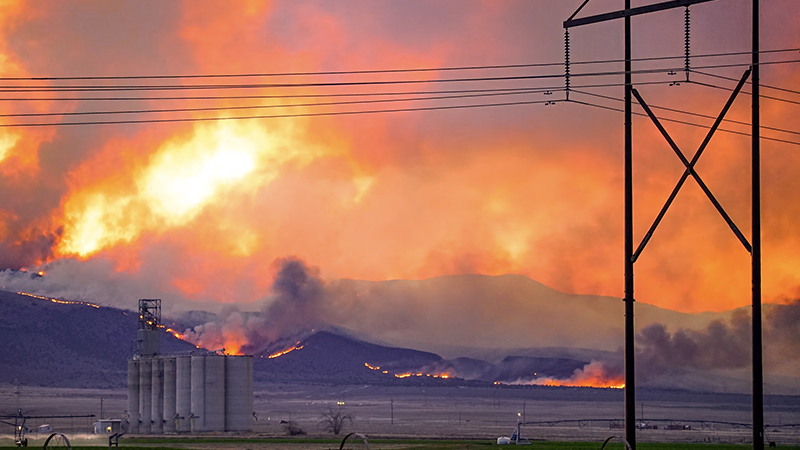
Meanwhile, the Midwest faces fast-moving tornado outbreaks that have caused widespread structural damage. Out west, Utah battles rapidly spreading wildfires.
U.S. weather threats right now:
- Gulf Coast: flash flooding from Tropical Storm Arthur remnants
- Midwest: intense, fast-moving tornado outbreaks
- Utah: rapidly spreading wildfires
For real-time U.S. alerts, monitor the National Weather Service.
South America Flooding: Buenos Aires and Uruguay Underwater
Severe flooding has triggered chaos and mass evacuations across South America. Buenos Aires, Argentina, recorded a staggering 130mm of rain in just 24 hours.
The Florida Department in Uruguay also saw critical flooding. Roads, homes, and infrastructure suffered heavy damage.
These rapid-onset floods highlight how quickly extreme rainfall can overwhelm major urban centers.
Asia’s Heavy Rainfall and Cyclones: Chongqing Floods and Mekkhala
Asia is confronting both deadly floods and a powerful tropical cyclone. Southern China’s Chongqing region suffered fatal flooding driven by extreme rainfall.
In the Pacific, Tropical Cyclone Mekkhala generated winds of up to 231 km/h alongside dangerously high seas. Forecasters continue to track the system closely.
This combination of cyclones and flooding underscores the breadth of severe weather across the continent.
Comparing the Week’s Climate Disasters at a Glance
| Region | Disaster Type | Key Impact |
|---|---|---|
| Western Europe | Historic heatwave | Red alerts, power outages, heatstroke warnings |
| Afghanistan | Flash floods | Hundreds dead, mass displacement |
| U.S. Gulf Coast | Tropical storm remnants | Flash flooding from ex-Storm Arthur |
| U.S. Midwest | Tornado outbreaks | Widespread structural damage |
| Utah, USA | Wildfires | Rapidly spreading blazes |
| Argentina & Uruguay | Flooding | 130mm/24hrs, mass evacuations |
| China (Chongqing) | Extreme rainfall | Fatal flooding |
| Pacific Ocean | Tropical Cyclone Mekkhala | 231 km/h winds, high seas |
How to Track Global Weather Disasters in Real Time
Staying informed can save lives during extreme weather events. Use trusted monitoring platforms and follow local guidance.
Monitoring steps:
- Check the Global Disaster Alert and Coordination System (GDACS) for live worldwide alerts
- Follow your national meteorological service for regional warnings
- Sign up for SMS or app-based emergency notifications
- Prepare an emergency kit and evacuation plan in high-risk zones
For deeper context on the forces behind these events, read our related coverage on climate change and extreme weather trends.
#GlobalWeatherDisasters #ExtremeWeather #ClimateEmergency