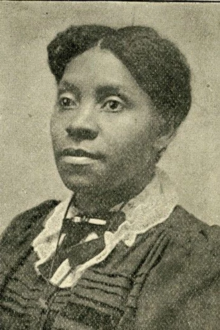


Sarah Rector’s Legacy: From Oil Riches to Resilience
Sarah Rector, also known as Sarah Rector Campbell and Sarah Campbell Crawford, was an extraordinary figure in early 20th-century America. Born on March 3, 1902, in Indian Territory (now Oklahoma), Sarah’s life took a dramatic turn when she became one of the wealthiest individuals in the country at just 11 years old. Her story, rooted in the discovery of oil on her land, challenges the myths of wealth, race, and power in America’s history.
Early Life and the Dawes Allotment Act
Sarah Rector was born into a family of Creek Freedmen, descendants of enslaved people who were granted citizenship in the Muscogee Creek Nation after the Civil War. Under the Treaty of 1866 and the Dawes Allotment Act, Sarah, like other Creek Freedmen descendants, was allotted 160 acres of land. However, the land assigned to her was rocky, infertile, and deemed worthless by white officials who sought to reserve the best plots for settlers.
Her family, struggling to pay the $30 annual property tax on the land, leased it to the Standard Oil Company in 1911. What seemed like a burdensome piece of property soon revealed its hidden treasure. In 1913, an oil well drilled on Sarah’s land struck a massive reserve, producing 2,500 barrels of oil daily. This discovery transformed Sarah’s life overnight, earning her $300 a day in royalties—equivalent to over $10,000 today.
The Richest Black Girl in the World
Sarah’s newfound wealth made headlines across the nation. Dubbed the “Richest Colored Girl in the World,” her story captivated and unsettled a racially segregated America. The idea of a young Black girl amassing such wealth was met with both fascination and resistance. Oklahoma law at the time required wealthy Black minors to be placed under white guardianship, based on the racist assumption that Black individuals were incapable of managing wealth.
Despite her parents being alive and capable, a white guardian was appointed to oversee Sarah’s finances. This arrangement led to widespread concerns about mismanagement and exploitation. Black newspapers and civil rights leaders, including Booker T. Washington and W.E.B. Du Bois, rallied to protect Sarah’s interests. Their advocacy brought national attention to her case, forcing changes in her guardianship and ensuring greater oversight.
A Life of Resilience and Legacy
As Sarah grew older, she took control of her wealth and used it wisely. She invested in property, supported education, and lived a comfortable but modest life. She married, raised three sons, and moved to Kansas City, where she purchased a grand home and enjoyed a life of relative luxury. However, like many others, she faced financial challenges during the Great Depression, losing much of her wealth but remaining solvent.
Sarah Rector passed away on July 22, 1967, at the age of 65. She left behind a legacy of resilience and determination, proving that she could not only survive but thrive in a system designed to marginalize her.
The Impact of Sarah’s Oil Wealth
Sarah’s story is a testament to the complexities of wealth and race in America. Her fortune, derived from oil-rich land, was a product of a system that sought to exploit both Native and Black communities. Yet, Sarah’s ability to retain her wealth and use it to secure her family’s future defied the odds. Her descendants continue to benefit from the security and opportunities her fortune provided.
Remembering Sarah Rector
Despite her remarkable story, Sarah Rector remains a largely forgotten figure in history. There are no monuments or chapters in textbooks dedicated to her life. However, her legacy endures as a symbol of resilience and the fight for justice in the face of systemic racism.
For more stories about Black history and resilience, visit The Narrative Matters.
To learn more about the history of oil wealth and its impact on marginalized communities, explore resources like the Smithsonian National Museum of African American History and Culture.
#SarahRector #BlackHistory #OilWealth