

Top World News Stories Week March 20
Here are the top world news stories for the week of March 20. The third week of March brings a fascinating mix of industrial progress and cultural reflection. As we examine the current news cycle, Technological Advancements in 2026 stand at the forefront of our changing economy, alongside deep societal shifts. This week, we see federal investments reshaping the automotive industry, while ongoing cultural investigations challenge our educational and historical institutions. This article explores three major headlines defining mid-March: a multi-billion dollar electric vehicle battery deal, federal surveys addressing antisemitism at Cornell University, and shocking new allegations regarding labor icon Cesar Chavez.
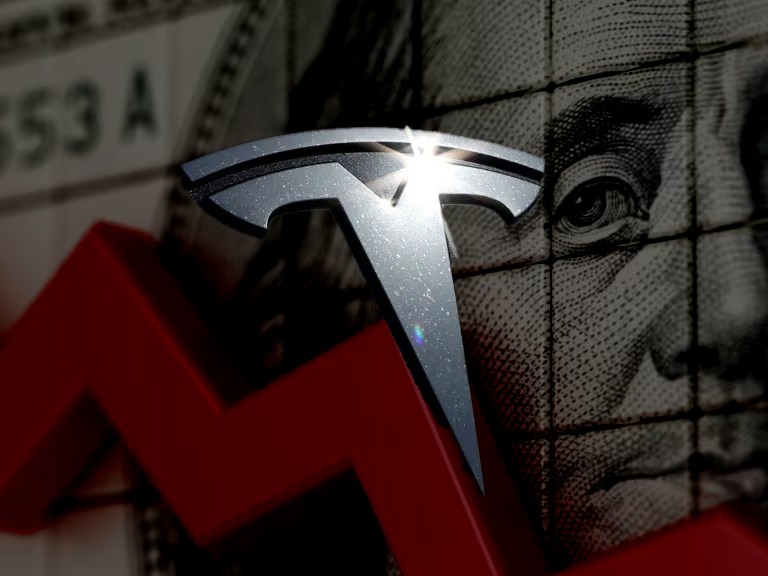
The $4.3 Billion Tesla-LG Battery Deal
The push toward a fully electrified transportation network took a massive step forward this week. The U.S. government officially confirmed a $4.3 billion battery manufacturing agreement between Tesla and LG Energy Solution. This colossal joint venture will establish a state-of-the-art production facility in Michigan.
This partnership represents one of the most significant Technological Advancements in 2026 for the automotive sector. By combining Tesla’s engineering frameworks with LG’s chemical manufacturing expertise, the new plant aims to dramatically increase the output of high-capacity lithium-ion cells. Securing domestic battery production remains a critical priority for national supply chain security.
Powering the Future of Transportation
Building this factory in Michigan brings thousands of advanced manufacturing jobs to the Midwest. The facility will rely heavily on automation, robotics, and artificial intelligence to streamline battery assembly. These systems ensure higher quality control and reduce the cost per kilowatt-hour for consumers.
Local economies anticipate a massive boom from the construction and subsequent operation of the plant. Furthermore, producing these components stateside reduces reliance on overseas shipping, lowering the overall carbon footprint of electric vehicle production.
Addressing Antisemitism at Cornell University
While technology reshapes our physical infrastructure, cultural and political challenges are testing our educational institutions. The Trump administration recently launched a targeted initiative to survey Cornell University employees. This action aims to investigate and address potential antisemitism on the Ivy League campus.
Federal involvement in university campus culture marks a significant escalation in how the government handles discrimination complaints. The Department of Education seeks to gather direct accounts from faculty and staff regarding the campus climate. Officials want to determine if the university administration is doing enough to protect students and employees from hostile environments.
Federal Surveys and Campus Culture
The deployment of this survey has sparked intense debate regarding federal oversight and academic freedom. Proponents argue that aggressive federal intervention is necessary to dismantle deeply rooted biases and ensure a safe learning space for Jewish students. They point to recent campus protests and administrative inaction as proof that external accountability is required.
Conversely, critics worry that these surveys could create a chilling effect on free speech and political expression among faculty members. University administrators across the country are watching the Cornell situation closely. The results of this federal probe will likely set a new precedent for how higher education institutions handle internal cultural conflicts and federal compliance.
Reevaluating History: Cesar Chavez Allegations
Society is also grappling with painful revelations regarding legacy and history. A new investigation has surfaced severe allegations against Cesar Chavez, the renowned labor and civil rights leader. Reports indicate accusations of sexual abuse within his movement. Civil rights leader Dolores Huerta recently came forward, accusing Chavez of sexual assault occurring in the 1960s.
These allegations are forcing a nationwide reckoning regarding the legacy of the United Farm Workers movement. Chavez has long stood as a monumental figure in American history, celebrated for his dedication to labor rights and marginalized agricultural workers. Hearing these profound accusations from Huerta—his closest ally and co-founder of the union—adds immense weight to the investigation.
Civil Rights and Accountability
Historians, activists, and educators now face the complex task of reevaluating Chavez’s place in the civil rights pantheon. The movement must separate the vital progress made for farm workers from the alleged actions of its primary leader. This cultural moment highlights a growing societal demand for accountability, regardless of a figure’s historical prominence.
The fallout from these accusations will likely impact how schools teach the labor movement. It also prompts broader conversations within modern activist circles about power dynamics, the protection of vulnerable members, and the danger of unchecked authority.
Summary and Next Steps
The events of mid-March remind us that progress happens on multiple fronts simultaneously. Massive industrial investments in Michigan highlight our rapid push toward sustainable energy, while events at Cornell and within the historical labor movement force us to confront uncomfortable cultural truths. Navigating these changes requires critical thinking and a willingness to adapt our perspectives.
To stay informed about how these national developments impact broader cultural conversations, explore more insights and in-depth societal analysis at thenarrativematters.com.
Get the official U.S. Department of Energy press release detailing the financial specifics of the Michigan Tesla-LG manufacturing agreement.
#TechnologicalAdvancements #TeslaBatteryDeal #SocietalShifts