
War On Iran: What You Need To Know
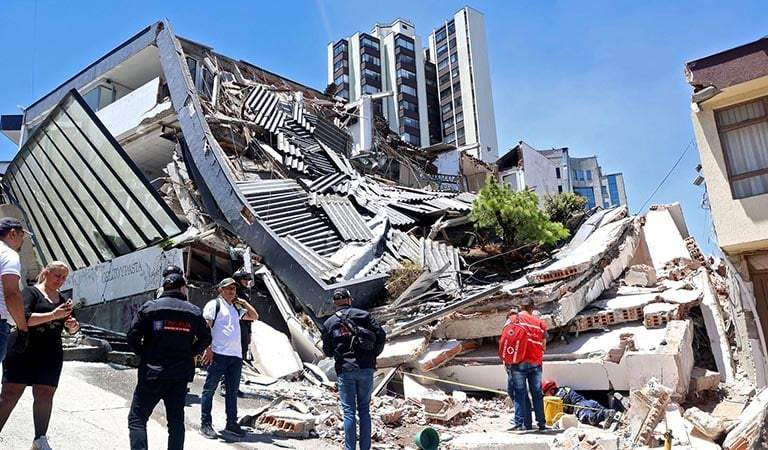
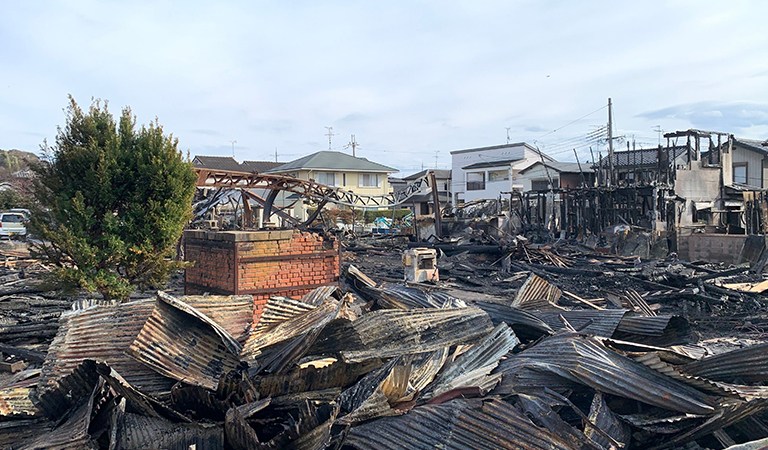
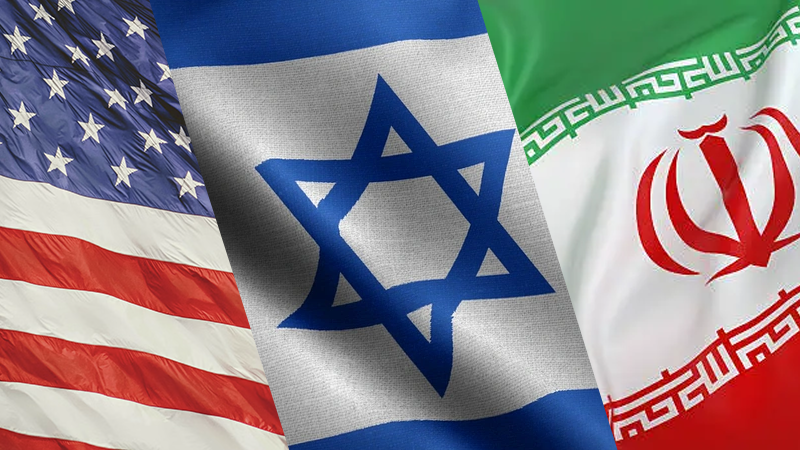
On February 28, 2026, the U.S. and Israel launched a massive, coordinated attack on Iran, targeting its nuclear program and military infrastructure. This unprecedented escalation, which resulted in the death of Iranian Supreme Leader Ayatollah Ali Khamenei, has raised pressing questions about the conflict’s implications for U.S. citizens and global stability. Below, we address the top questions people are asking about this crisis and its direct impact on Americans.
What Happened and Why Did the U.S. and Israel Attack Iran?
The U.S.-Israel operation was a pre-planned strike aimed at curbing Iran’s nuclear capabilities, which both nations view as a significant threat. The attack targeted military, drone, and missile facilities, as well as the compound of Supreme Leader Ayatollah Ali Khamenei, who was reportedly killed in the strikes.
This action followed weeks of heightened tensions, with U.S. President Donald Trump emphasizing the need to neutralize Iran’s nuclear ambitions. Israel, considering Iran’s nuclear program an existential threat, coordinated with the U.S. to execute the operation during the Islamic holy month of Ramadan.
Who Will Rule Iran Next?
The death of Ayatollah Ali Khamenei has left a leadership vacuum in Iran, as no clear successor has been publicly designated. This uncertainty raises concerns about political instability within the country, which could further escalate tensions in the region.
Is This the Start of a Regional War?
The scale and coordination of the U.S.-Israel attack mark the most significant escalation in the Middle East since the 2003 Iraq War. Iran has retaliated with missile and drone strikes targeting Israel and U.S. military bases in Bahrain, Kuwait, and Qatar. The situation remains volatile, with both sides preparing for potential further escalation.
How Does This Impact U.S. Citizens?
1. Flight Disruptions
The conflict has led to widespread airspace closures across the Middle East, causing significant flight disruptions between Europe, North America, and the region. U.S. citizens traveling internationally may face delays, cancellations, and rerouted flights.
2. Rising Oil Prices
The Gulf region, a critical hub for global oil supply, is experiencing disruptions that could lead to higher oil prices. U.S. consumers may see increased costs at the gas pump, while businesses reliant on oil and shipping may face economic challenges.
3. Regional Security Concerns
With U.S. military bases in the Middle East targeted by Iranian counter-strikes, the safety of American personnel and citizens in the region is a growing concern. The U.S. has deployed additional naval forces, including the USS Gerald R. Ford and USS Abraham Lincoln, to bolster security.
What is the Global Economic Impact?
The conflict has already caused volatility in global markets, particularly in the energy sector. Disruptions to shipping lanes in the Gulf could further strain supply chains, impacting industries worldwide. Economists are closely monitoring the situation to assess its long-term effects on the global economy.
Will This Escalate Further?
Iran has vowed a “strong retaliation,” and the U.S. has significantly increased its military presence in the region. While diplomatic efforts may still emerge, the likelihood of continued conflict remains high.
Related Topics and Resources
For more insights into the geopolitical implications of this conflict, check out The Narrative Matters for in-depth analysis.
For additional updates on the situation, visit Bloomberg.
#USIsraelConflict #IranCrisis #MiddleEastTensions