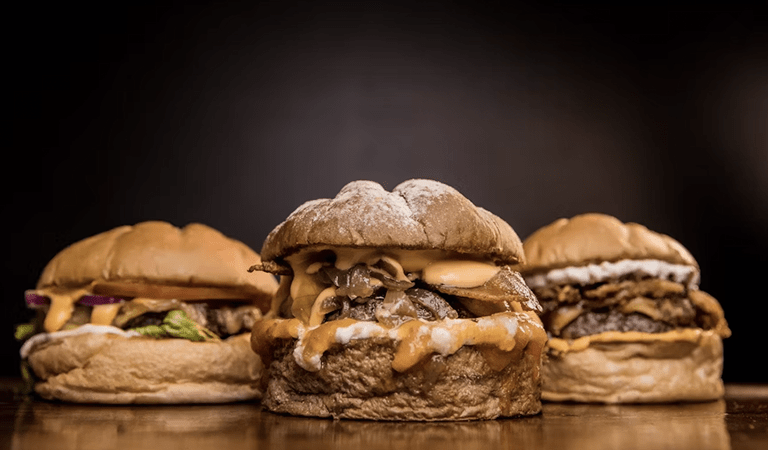


Pros and Cons of New USDA Nutrition Information
For decades, the federal government has attempted to steer the American diet away from chronic disease and toward longevity. The release of the 2025-2030 Dietary Guidelines for Americans marks a pivotal—and somewhat radical—departure from previous advice. This isn’t just a tweak; it is a philosophical pivot toward a “real food” approach. The new framework moves us away from obsessing over isolated nutrients and toward prioritizing whole, nutrient-dense foods. However, as we dig into the recommended dietary allowances, nutrition guidelines, and USDA nutrition information, it becomes clear that this shift is a double-edged sword, offering simplified clarity for some while sparking fierce scientific debate for others.
The Return to “Real Food”
The most striking aspect of the new guidelines is the explicit rejection of ultra-processed items in favor of what our ancestors might recognize as food. The USDA has drawn a line in the sand, stating that “no amount” of added sugar is part of a healthy diet. This is a bold stance against the standard American diet, which is often laden with high-fructose corn syrup and artificial additives.
Instead of vague advice, we see concrete pillars:
- Protein Prioritization: The guidelines suggest 1.2 to 1.6 grams of protein per kilogram of body weight, urging intake at every meal.
- Full-Fat Dairy: In a reversal of the “skim milk” era, full-fat dairy without added sugars is now on the menu.
- Hydration: Water is the primary beverage; alcohol is strictly limited.
![Image suggestion: A wooden table filled with steak, eggs, avocados, and whole milk. Alt Text: Display of whole foods adhering to recommended dietary allowances, nutrition guidelines, and USDA nutrition information.]
The Benefits of the New Nutrition Guidelines
There is a lot to like about this new direction. For years, Americans have been confused by “low-fat” labels plastered on boxes of sugary cookies. By focusing on whole foods, the USDA nutrition information becomes more intuitive.
Simplicity and Flexibility
One of the major pros is flexibility. Whether you prefer plant-based proteins or animal products, the guidelines offer a pathway. This inclusivity respects cultural traditions and personal budgets, making healthy eating more accessible. You don’t need a calculator to understand “eat an egg” or “eat an avocado.”
Metabolic and Gut Health
The emphasis on fermented foods and high-fiber vegetables is a win for the gut microbiome. Furthermore, by cutting refined carbohydrates like white bread and crackers, these guidelines directly attack the root causes of type 2 diabetes and obesity. If adopted at scale, this could drastically reduce the healthcare costs associated with diet-related chronic conditions.
Controversy in the Recommended Dietary Allowances
However, not everyone is celebrating. The shift toward higher fat intake has ignited a firestorm among traditional nutritionists.
The Saturated Fat Debate
The most contentious point is the green light given to saturated fats found in red meat, butter, and even beef tallow. Critics, including experts from the American Heart Association and Harvard, argue this contradicts decades of evidence linking high saturated fat intake to cardiovascular risk. They fear that interpreting recommended dietary allowances, nutrition guidelines, and USDA nutrition information as a “free pass” on bacon and butter could lead to a spike in heart disease.
Industry Influence
Skeptics also point to potential industry influence. The final guidelines diverged significantly from the initial advisory committee’s report, which leaned more heavily toward plant-based diets. The inclusion of beef tallow and the strong push for full-fat dairy have led some to question if the cattle and dairy lobbies had too loud a voice in the room.
Missing Pieces and Future Implications
Another glaring omission is the lack of specific guidance on “ultra-processed foods.” While the guidelines say to limit processed items, they stop short of defining the category strictly. Health experts argue this is a missed opportunity to educate the public on the dangers of industrial food formulations.
Despite the controversy, the pivot to whole foods is a conversation we need to have. We must move away from the chemical-laden aisles of the grocery store and back to the perimeter where real food lives.
Conclusion
The 2025-2030 guidelines are imperfect, but they represent a necessary shake-up. They challenge us to look at the quality of our food rather than just the calorie count. Whether you agree with the stance on butter or not, the message to cut sugar and eat real food is one we should all digest.
For more insights on how policy shifts impact our daily lives, check out the health commentary at The Narrative Matters.
For a deeper dive into the scientific response to these changes, we recommend reading the Harvard T.H. Chan School of Public Health’s analysis on dietary fats and policy.
#USDAguidelines #HealthyEating #NutritionMatters