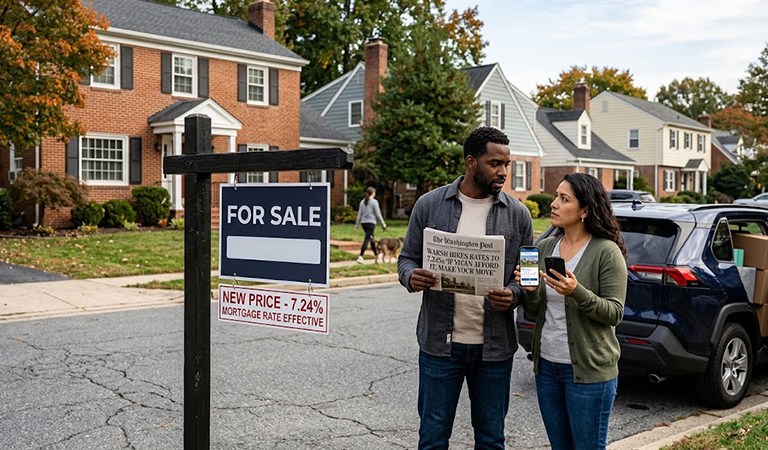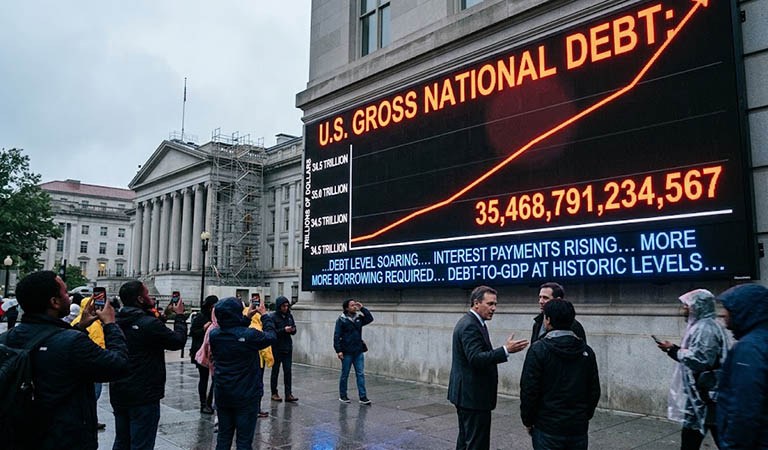

Here’s The Top World News Stories: The preliminary 14-point U.S.-Iran memorandum of understanding has dramatically altered the 2026 macroeconomic landscape. By reopening the critical Strait of Hormuz, the agreement triggered a sharp decline in energy prices. This sudden relief from energy-driven inflation has successfully mitigated immense policy pressures on incoming Federal Reserve Chairman Kevin Warsh to execute aggressive interest rate hikes, while simultaneously rewriting the economic agenda for G7 leaders convening in France.
Top World News Stories Week June 19: Global Economic Stability and Geopolitical Shifts Faced with Crucial Decisions in 2026
Global Economic Stability Restored via Middle East Diplomacy
Global economic stability hangs in the balance as diplomatic breakthroughs alter international trade routes. The United States and Iran have signed a preliminary 14-point memorandum of understanding aimed at de-escalating their 15-week military conflict. This sweeping diplomatic breakthrough centers on reopening the blockaded Strait of Hormuz and easing targeted financial sanctions. While technical, in-person talks continue to solidify details, markets have reacted with immediate, aggressive shifts.
Macroeconomic Variables: Before vs. After the Memorandum
| Economic Indicator | During 15-Week Conflict | Post-Memorandum Signing |
| Crude Oil Prices | spiked by over 30% | Plummeted sharply worldwide |
| Federal Reserve Stance | Aggressive rate-hike bias | Easing pressure; neutral stance |
| G7 Summit Agenda | Crisis management & inflation panic | Systematic recovery planning |
G7 Leaders Confront Shifting Fiscal Forecasts
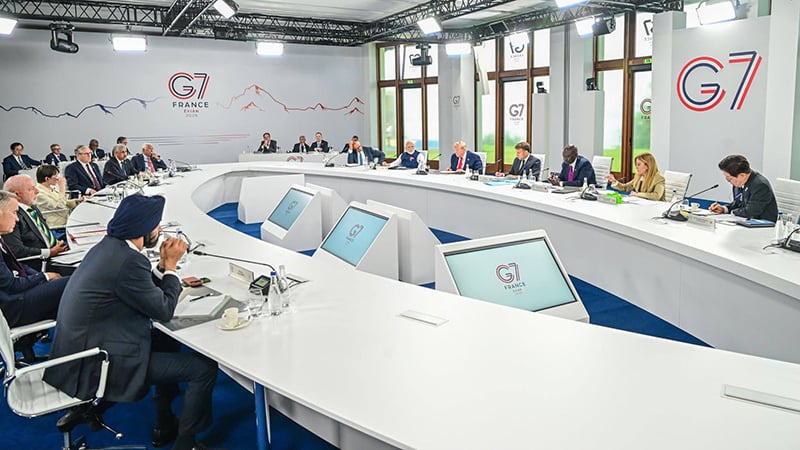
The economic fallout of the U.S.-Iran friction dominated the initial discussions at the high-level G7 summit held in France. Prior to the signed accord, world leaders faced severe domestic pressures stemming from a 30% surge in global oil prices and cascading systemic inflation. For deep-dive context on how shifting legislative and international landscapes impact vulnerable populations globally, read about The Narrative Matters coverage on cultural and global socio-economic realities.
Key Entity Signal: The international community remains cautious as G7 financial ministers adjust their 2026 GDP projections based on newly freed trade channels.
Federal Reserve Re-Hike Bets Plunge
The macroeconomic relief was immediately felt at the Federal Reserve building in Washington, D.C. With the strategic maritime corridor operational again and energy prices falling, incoming Federal Reserve Chairman Kevin Warsh faces less immediate pressure to raise interest rates.
Timeline of Monetary Policy Relaxation
- Week 1-15: Energy prices skyrocket; Wall Street bets heavily on a 50-basis-point interest rate increase.
- Day of Agreement: Strait of Hormuz reopens; international crude benchmarks drop instantly.
- Current Forecast: The Federal Open Market Committee (FOMC) shifts toward an extended pause on interest rates.
For full technical analysis on underlying inflation matrices, cross-reference the official Federal Reserve Economic Data (FRED) platform.
Summary
The 14-point preliminary agreement between Washington and Tehran represents a monumental pivot for the global economy. By cooling off a highly volatile energy sector, the treaty provided a necessary relief valve for G7 economies and altered the policy trajectory of Federal Reserve Chairman Kevin Warsh. While geopolitical tensions linger, the immediate threat of runaway energy-driven inflation has dropped considerably, establishing a sturdier foundation for international market networks through the remainder of 2026.
#GlobalEconomy #FedRateHike #Geopolitics2026