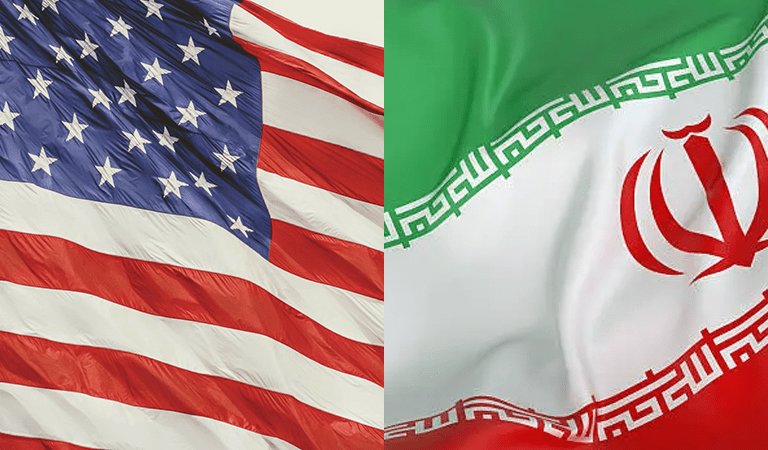

Here’s The Top World News Stories: The US and Iran conflict reached a critical inflection point this week. The House passed a war powers resolution 215–208 to halt U.S. military action against Iran. Simultaneously, Hezbollah rejected a U.S.-brokered Israel-Lebanon ceasefire, threatening broader regional stability. The Supreme Court also issued two rulings reinforcing the authority of federal regulators.
Top World News Stories Week June 4: US and Iran Conflict Escalates: House War Powers Vote, Hezbollah Ceasefire Collapse, and Supreme Court Rulings Reshape U.S. Power
The US and Iran conflict is no longer just a military story — it’s reshaping American politics, Middle East diplomacy, and the boundaries of federal power all at once. This week delivered three major developments that together tell a larger story about where American authority, at home and abroad, is headed.
House Votes to Rein In Iran War Powers
The House of Representatives voted 215–208 to approve a war powers resolution that would halt U.S. military action against Iran. Four Republicans joined Democrats to push it through.
This is a significant break. Republican lawmakers increasingly signal frustration with an open-ended U.S. military posture in Iran — a posture the Trump administration has framed as a “detour” rather than a war.
The House is also expected to consider a separate resolution targeting U.S. involvement in Lebanon, deepening the friction between Congress and the White House over Iran war tensions and executive military authority.
Hezbollah Rejects Lebanon Ceasefire, Deepening the Middle East Security Crisis
Israel and Lebanon reached a U.S.-brokered ceasefire agreement this week — but Hezbollah, the Iran-backed militant group, rejected it outright. [³]
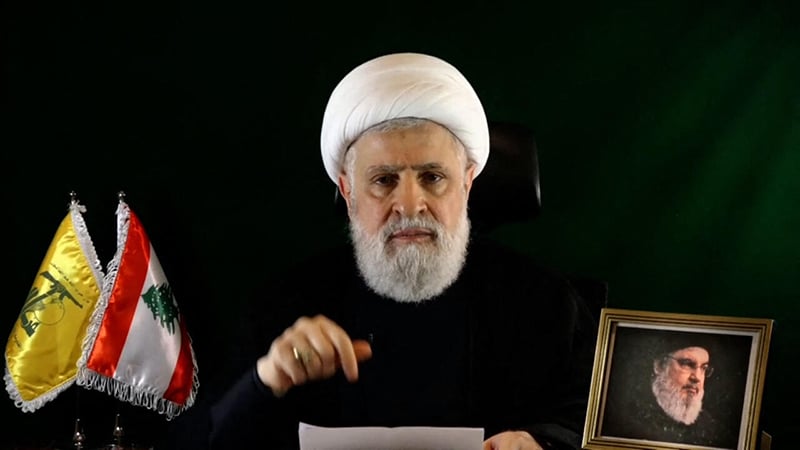
Hezbollah leader Naim Qassem dismissed the negotiations as a “farce,” demanding a full Israeli withdrawal from Lebanese territory before any halt in fighting. The deal made no mention of Israeli forces leaving.
This rejection deepens the Middle East security crisis. With Hezbollah not party to the original talks, and fresh strikes continuing in southern Lebanon within hours of the ceasefire announcement, the agreement appears fragile at best. Since fighting reignited in March, at least 3,516 people have been killed in Lebanon. [⁴]
Why This Matters Beyond Lebanon
Tehran has maintained that any U.S.-Iran ceasefire deal must include a halt to Israeli strikes in Lebanon. Hezbollah’s rejection directly complicates broader U.S.-Iran escalation diplomacy — these conflicts are linked.
Supreme Court Backs Federal Regulators in Twin Rulings
Separate from the Iran story, the Supreme Court issued two decisions this week with lasting domestic impact. The Court ruled in favor of the FCC’s system for fines and upheld the SEC’s authority to recover illegal profits. [⁵]
Both rulings reinforce the power of federal agencies at a moment when that power faces intense political pressure. For consumers, investors, and markets, these decisions signal regulatory continuity.
Key Takeaways
- The House voted 215–208 to halt U.S. military action against Iran, a rare bipartisan rebuke
- Hezbollah rejected the U.S.-brokered Israel-Lebanon ceasefire, calling the process a “farce”
- At least 3,516 people have been killed in Lebanon since March fighting reignited
- The Supreme Court backed both the FCC and SEC in separate regulatory authority rulings
- Iran-Lebanon dynamics remain directly tied to any U.S.-Iran peace deal timeline
Comparison Table: Three Major Stories at a Glance
| Story | Key Development | Implication |
|---|---|---|
| US-Iran Conflict / War Powers | House passes 215–208 resolution to halt military action | Congressional pushback on executive war authority |
| Israel-Lebanon / Hezbollah | Hezbollah rejects U.S.-brokered ceasefire | Peace deal stalls; Lebanon fighting continues |
| Supreme Court Rulings | FCC and SEC authority upheld | Federal regulatory power reinforced |
Summary
The US and Iran conflict, the collapse of Lebanon ceasefire efforts, and the Supreme Court’s regulatory rulings are not isolated events. They reflect a single, high-stakes week in which American power — military, diplomatic, and institutional — was tested from multiple directions simultaneously. Watch how the Senate responds to the House war powers vote, and whether Israel and Hezbollah return to negotiations before the June 22 planned talks.
U.S. House war powers vote coverage — [AP News Iran war powers report — placeholder for live URL]
#USIranConflict #WarPowers #HezbollahCeasefire