

Top World News Stories Week March 20
Recent events between March 16 and March 19, 2026, forced lawmakers to make rapid adjustments. Therefore, they changed critical national frameworks, including our U.S. Energy Policy. Furthermore, sweeping geopolitical conflicts and court rulings are reshaping government actions. These actions cover everything from fuel transportation to public health. Consequently, we are witnessing a pivotal week in American governance. This article examines three major domestic news stories. First, we look at the strategic waiver of the Jones Act to combat rising gas prices. Next, we discuss the diplomatic reopening of the United States embassy in Venezuela. Finally, we review a federal judge blocking changes to childhood vaccine schedules.
Navigating the Fuel Crunch: The Jones Act Waiver
The most immediate concern for the current administration involves stabilizing the domestic economy. Specifically, global crude oil prices have spiked past $100 per barrel. Meanwhile, ongoing conflicts abroad severely restricted international shipping lanes. This threatens a major fuel crunch across the nation. To prevent widespread fuel shortages, the White House announced a highly consequential measure. Therefore, they issued a 60-day waiver of the Jones Act to combat soaring prices.
This historic maritime law normally requires strict rules for goods transported by water. It mandates that ships carrying goods between domestic ports be American-made and American-owned. By temporarily lifting these rules, the federal government aims to increase fuel-carrying vessels. As a result, they can better supply coastal regions.
Immediate Impacts on Fuel Delivery
Waiving the Jones Act represents a massive shift in U.S. Energy Policy. First, it allows foreign-flagged tankers to pick up oil and liquefied natural gas. They can take these fuels from high-production areas like the Gulf of Mexico. Then, they deliver them to high-demand regions like the Northeast. This regulatory relief speeds up the supply chain. Consequently, foreign vessels enter the domestic transit network. This increased transportation capacity should help stabilize localized energy flows.
Lawmakers hope this temporary measure will prevent regional price gouging. Moreover, it ensures utility companies have enough fuel to keep power grids operational. Maritime unions often oppose waiving the Jones Act. However, the administration argues that the severe energy threat requires immediate action. Ultimately, this protects consumers.
Diplomatic Shifts: Reopening the Venezuelan Embassy
In a surprising maneuver, the United States officially reopened its embassy in Caracas, Venezuela. This marks the first time since 2019. Furthermore, this diplomatic restoration follows a tumultuous period. For example, it follows the dramatic abduction of Venezuelan President Nicolás Maduro. This abduction happened during a U.S. military strike earlier this year. Restoring a formal diplomatic presence signals a complex pivot in foreign relations.
The decision to reopen the embassy stems from multiple strategic needs. Primarily, these concern regional stability and resource management. Establishing a diplomatic channel allows the State Department to monitor the transitional government. In addition, it opens the door for humanitarian aid. It also helps structural rebuilding efforts in a destabilized country.
Oil Interests and Geopolitical Strategy
The embassy reopening also ties directly back to economic strategy. Notably, Venezuela holds some of the largest proven oil reserves on the planet. By restoring diplomatic ties, the administration aims to facilitate future petroleum export negotiations. Securing alternative crude oil sources in the Western Hemisphere provides a needed buffer. Consequently, it protects against supply chain disruptions originating in the Middle East. Reestablishing a foothold in Caracas allows American diplomats to engage local energy sectors. Thus, it potentially paves the way for lucrative contracts. It also creates a more stable flow of heavy crude to Gulf Coast refineries.
Domestic Health Directives: RFK Jr. Vaccine Policy Blocked
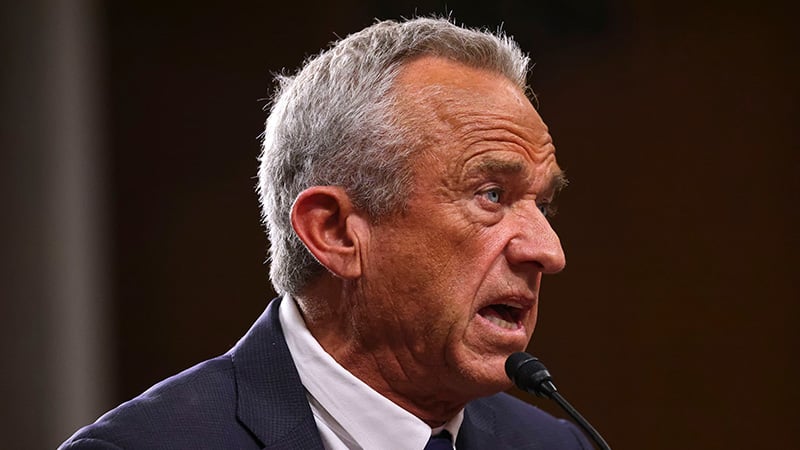
While energy and foreign diplomacy dominate headlines, a major legal battle unfolded. This public health battle happened in federal court. Specifically, a federal judge temporarily blocked sweeping changes to childhood vaccine policies. Department of Health and Human Services (HHS) Secretary Robert F. Kennedy Jr. initiated these changes.
The proposed HHS policies aimed to significantly reduce recommended vaccines. These reductions applied to children attending public schools. The administration argued that these reductions would empower parents. As a result, parents could make more individualized medical decisions. However, medical organizations and state health departments immediately challenged the directive.
Judicial Pushback on Federal Health Changes
The federal judge issued a preliminary injunction. Effectively, this halted the implementation of the new schedule. The court cited potential risks to public health. Furthermore, they noted a lack of proper administrative procedure. These were the primary reasons for blocking the changes. Medical professionals argued against reducing the recommended vaccine schedule. Specifically, it could lead to resurgences of preventable diseases like measles and pertussis.
This legal block forces the HHS to defend its proposed changes. Consequently, a lengthy court battle will follow. Until the courts reach a final verdict, pediatricians will follow traditional guidelines. Public school districts will also maintain standard immunization rules. Ultimately, this judicial intervention highlights ongoing tension between federal appointments and public health frameworks.
Moving Forward and Staying Informed
The events of mid-March 2026 highlight a period of intense adjustment. Specifically, the federal government is adapting quickly. They are changing U.S. Energy Policy through maritime waivers. In addition, they are navigating complex foreign diplomacy in Venezuela. Furthermore, they are fighting legal battles over public health. Clearly, leadership faces challenges on multiple fronts. These decisions directly impact fuel costs, international relations, and community health.
Understanding these national shifts helps you anticipate economic trends. Moreover, it prepares you for policy changes in your own community. For more comprehensive reporting on how national legislation affects your daily life, read more insightful domestic news analysis at thenarrativematters.com.
Learn more. Get the official Department of Energy press release regarding the Jones Act waiver, or a link to a verified legal tracker detailing the current status of the HHS federal court injunction.
#USEnergyPolicy #JonesActWaiver #VenezuelaEmbassy