
The Bottom Line: The Jay Z Target controversy forces a reckoning between the philosophy of individual Black wealth-building and the collective leverage of the Black consumer. While activists argue Shawn Carter’s partnership actively sabotages a justified civil rights boycott, his defenders and the artist himself point to a system of selective outrage, arguing that standard retail transactions should not face arbitrary moral purity tests.
Jay Z Target Controversy: Is the Hip-Hop Mogul Right or Wrong?
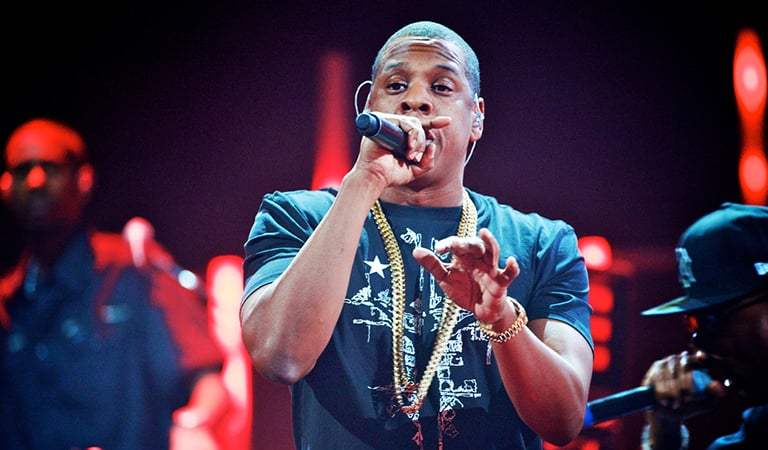
It is June 2026, and Shawn “Jay-Z” Carter is on stage at a sold-out Yankee Stadium, doing what he does best: turning a PR crisis into a masterclass in rhyming, defensive posturing, and high-level corporate deflection.
“They say I sold out,” Jay-Z rapped, grinning at his hometown crowd. “Yeah, I did sell out. Three nights.”
It is a brilliant, characteristically slick bar. But while the stadium shook, the internet was busy pointing out that selling out Yankee Stadium wasn’t the “selling out” people were mad about.
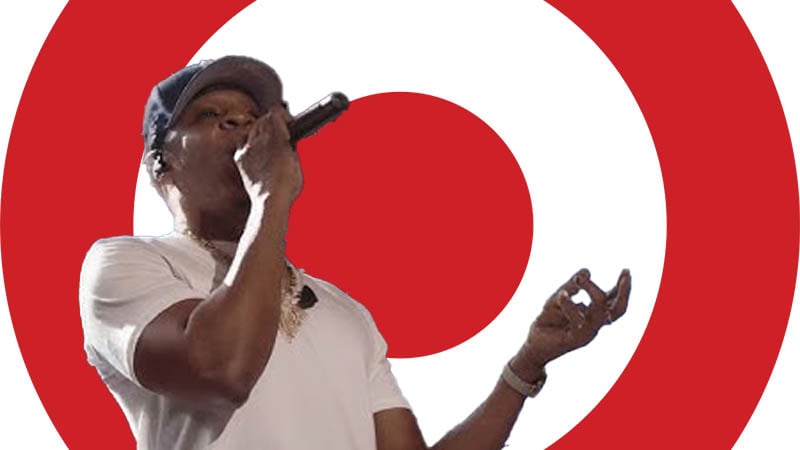
The actual issue? The red bullseye.
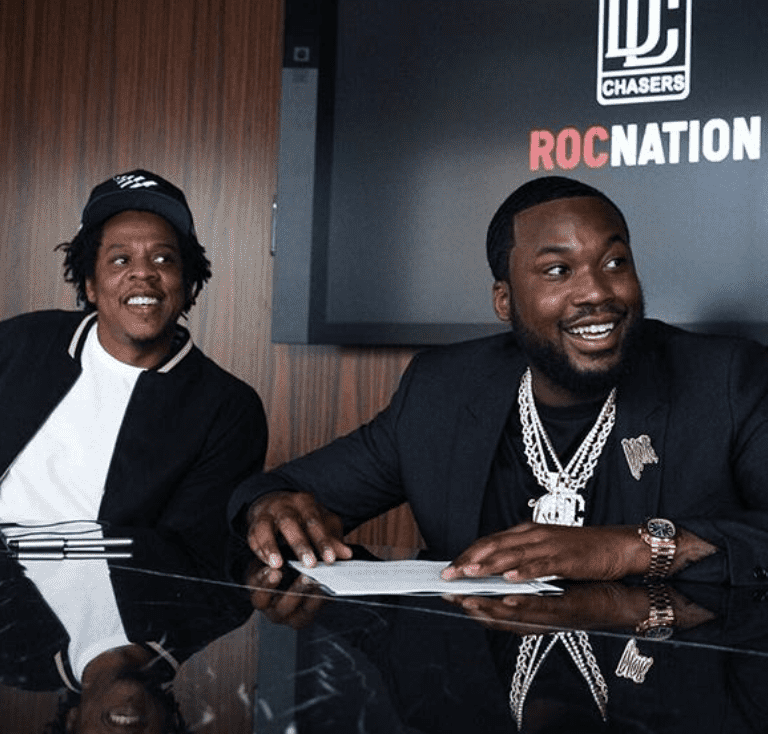
Jay-Z partnered with Target for an exclusive, limited-edition white vinyl re-release of his legendary 1996 debut album, Reasonable Doubt, celebrating its 30th anniversary. Under normal circumstances, this would be a collector’s dream. But these aren’t normal circumstances. Target is currently facing a fierce, organized nationwide boycott by Black consumers and civil rights groups—led by activists in Minnesota and amplified by figures like Pastor Jamal Bryant—after the retail giant quietly rolled back its high-profile Diversity, Equity, and Inclusion (DEI) commitments.
For activists, Jay-Z’s exclusive drop felt like crossing a digital picket line. For Jay-Z’s defenders, it was just business as usual.
So, who’s right, who’s wrong, and why does this keep happening?
The Chess Match: Capitalism vs. Collective Leverage
To understand why this partnership stung so badly, you have to look at how boycotts actually work. A boycott is not just about angry social media posts; it is about economic leverage. When Target scaled back its DEI initiatives, Black consumer groups essentially said, “If you do not value our community, you do not get our dollars.”
Then, Jay-Z—the gold standard of Black economic self-empowerment—drops a highly coveted, exclusive collector’s item in the very store people are trying to starve of cash.
The “Wrong” Camp: Crossing the Picket Line for Profit
Critics argue that by putting Reasonable Doubt behind Target’s paywall, Jay-Z effectively acted as a corporate shield.
- Undermining the Boycott: Minnesota activist Nekima Levy Armstrong asked, “Did you go to Target or did Target come to you? Did you not know that there is a boycott?” Critics feel the deal co-opted Black culture to lure Black shoppers back to a brand that had just deprioritized them.
- The NFL Déjà Vu: For many, this looks like a sequel. In 2019, Jay-Z famously partnered with the NFL, famously declaring “we’re past kneeling” just as the league was facing massive backlash for blackballing Colin Kaepernick. To activists, Jay-Z’s playbook is clear: let a major corporation take a hit for racial insensitivity, and then swoop in to sign a massive deal under the guise of “having a seat at the table.”
The “Right” Camp: The “Business, Man” Defense
Jay-Z has never hidden who he is. As he famously rapped, “I’m not a businessman; I’m a business, man.”
- Selective Outrage: During his Yankee Stadium residency, Jay-Z fired back at critics by calling out their hypocrisy. He pointed out that the very people criticizing his Target deal are posting their outrage on Meta (Instagram) and buying their protest signs on Amazon—massive corporations with their own highly questionable labor, privacy, and social justice track records.
- The Reality of Modern Retail: In 2026, where do you sell physical vinyl? The options are dwindling. Target is one of the largest physical music retailers left in the country. To his supporters, forcing Jay-Z to undergo a political purity test for a standard retail distribution deal is unfair.
- Tangible Impact Over Symbolic Gestures: Supporters also point to his work with the REFORM Alliance, which has successfully lobbied to change probation and parole laws, directly impacting tens of thousands of lives. Does a vinyl record at Target really erase that?
The Selective Outrage Trap
Jay-Z’s defense—that critics are “picking and choosing” which corporations to hate—is intellectually frustrating because he’s actually right.
We live in an era of hyper-monopolized capitalism. It is practically impossible to exist in modern society without funding a corporation that has done something deeply unethical. If we boycotted every company with a compromised record on social justice, we would have to throw our smartphones in the river, stop using the internet, and grow our own food.
But there is a counter-argument to Jay-Z’s defense: Just because we can’t boycott everything doesn’t mean we shouldn’t boycott anything. Focus is how change happens. Boycotting Target for a specific, recent rollback of DEI commitments is a targeted, achievable goal. Telling consumers “well, you use Amazon, so you can’t complain about Target” is a classic whataboutism designed to neutralize collective bargaining power.
The Verdict: Can You Buy Back the Block at Target?
Ultimately, this controversy highlights the deep friction between individual Black capitalism and collective Black progress.
For decades, hip-hop has championed the idea that the ultimate form of liberation is getting rich. Jay-Z is the poster child for this philosophy. He taught a generation that ownership is the ultimate flex.
But the Target controversy proves the limitations of that philosophy. When a Black billionaire’s path to further wealth directly conflicts with a community’s attempt to use its collective economic power to demand respect, the “billionaire savior” myth begins to crack. You cannot “buy back the block” if you have to partner with the people gentrifying it to do so.
Jay-Z’s Reasonable Doubt is a undisputed masterpiece about the moral compromises of the hustle. Thirty years later, the hustle has changed from the street corner to the corporate boardroom, but the moral compromises remain exactly the same.
#JayZTargetControversy #ReasonableDoubt30 #TargetBoycott