
Trump Net Worth: Did Trump Earn $1.4B in His Second Term? An Analysis
Reports from early 2026 raise big questions about the Trump net worth 2025 figure. They allege that Donald Trump amassed at least $1.4 billion during his second presidential term. News organizations and watchdog groups detailed these claims. They point to a complex web of income, including brand licensing, crypto deals, and payments from those seeking influence. These reports have started a firestorm of debate. The discussion focuses on the ethical lines for a president and the potential impact on American democracy.
This article breaks down the allegations behind the reported $1.4 billion. We will explore how he allegedly earned the money. We will also analyze the complex legal and ethical arguments. Finally, we will discuss the wider implications for the American public and the nation’s highest office.
How He Allegedly Earned the Billions
He did not amass the reported $1.4 billion fortune from a single source. Instead, it came from a diverse portfolio of business activities that mixed with his public duties. Critics call these ventures a clear conflict of interest. Supporters might argue it is just smart business. Let’s look at the main income streams mentioned in these reports.
Licensing and Brand Deals
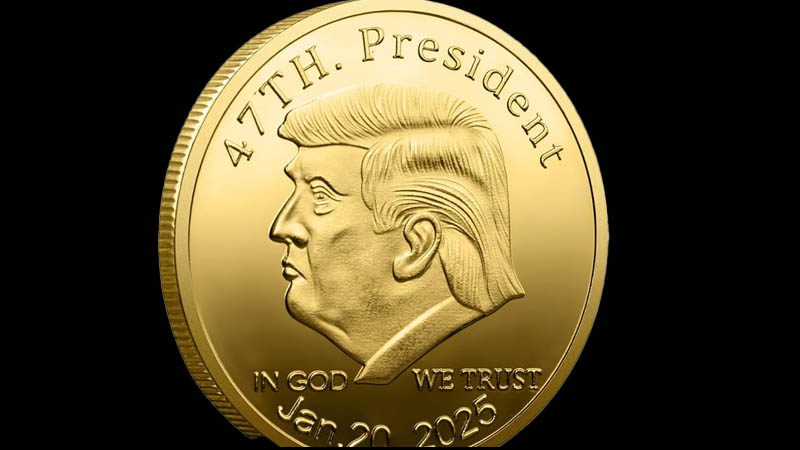
He earned a large part of the alleged income from licensing the Trump name and brand. For years, people have associated the Trump brand with luxury real estate, golf courses, and various products. During his second term, reports suggest these licensing deals continued. New projects emerged both at home and overseas. An ethical problem arises when foreign entities or corporations pay to use the President’s name. It creates the appearance that one can buy access and favor.
Payments from Foreign and Domestic Entities
Direct and indirect payments from foreign governments, corporations, and influential people are another big concern. Watchdog groups have spotlighted transactions where entities with business before the government paid Trump-owned companies. These payments, whether for hotel stays or property buys, raise questions. Could financial incentives influence policy decisions? Critics argue this system lets special interests curry favor. This could compromise national security and domestic policy.
Cryptocurrency Ventures
The world of digital assets reportedly became a new frontier for Trump’s financial activities. Reports from 2026 detail his involvement in various cryptocurrency deals. This could range from launching branded digital assets to profiting from crypto investments. The nature of cryptocurrency is often decentralized and anonymous. This makes transactions hard to trace. It adds another layer of complexity for ethics investigators who are trying to ensure transparency.
Accusations of “Graft”
Critics have often used the term “graft” to describe the pattern of using the presidency for financial gain. This broad accusation suggests he systematically used the office’s power to enrich himself and his family. This includes holding official events at Trump-owned properties. It also covers allegedly shaping policy to benefit his business empire. Critics say it points to a “culture of corruption” where the lines between public service and private profit are hopelessly blurred.
Legality and Ethics: A Tangled Web
Untangling the legality and ethics of these activities is not easy. Some actions might technically follow the law. However, many see them as violating its spirit.
The Legal Gray Area
Enforcing presidential conflict-of-interest laws is notoriously hard. Many of these laws do not explicitly apply to the President and Vice President as they do to other officials. This creates legal loopholes that can be exploited. For example, receiving direct bribes is illegal. But earning money through seemingly legitimate business ventures is a murkier legal area, even if the presidency benefits those ventures. Specific evidence and interpretations of anti-corruption laws would determine the ultimate legality of these actions.
The Ethical Condemnation
From an ethical view, watchdog groups like Citizens for Responsibility and Ethics in Washington (CREW) have a clear verdict. They argue a public servant’s first duty is to the people, not their own wallet. When a leader’s financial interests mix with official duties, it creates unavoidable conflicts. How can the public trust a policy decision is for the common good if it also benefits the decision-maker? Ethics experts cite this erosion of trust as a major consequence. They believe these actions set a damaging precedent that undermines a healthy democracy.
The Impact on American Citizens
The effects of these alleged financial dealings go far beyond Washington D.C. They have real consequences for the American people and the country’s democratic institutions. The idea of widespread corruption at the top can corrode public faith in government.
Erosion of Public Trust
When citizens believe their leaders use public office for personal enrichment, faith in the entire system drops. This cynicism can lead to lower voter turnout and more political division. It can also cause general disengagement from civic life. The belief that the government is “for sale” undermines the core idea of a government “of the people, by the people, for the people.” Discussions around the Trump net worth 2025 figure have become a key part of this growing distrust.
Distorted Government Priorities
A primary concern is that leaders might make policy decisions to benefit powerful donors instead of the public. For example, they could write tax laws to favor industries where a leader has financial stakes. Or they might weaken environmental rules to help developers, including those tied to the president’s businesses. This skews national priorities. It redirects resources away from critical public needs like healthcare, infrastructure, and education.
The “Corruption of State”
Ultimately, critics warn of a “corruption of state.” This is where private gain subverts the government apparatus. This damages the nation’s democratic legitimacy on the world stage. It also sets a dangerous example for future leaders. When people shatter ethical norms, it becomes harder to restore them. This leads to a long-term decline in governance standards. Debates over budget cuts for public services while officials seem to profit from their jobs only deepen this sense of injustice.
Conclusion: A Call for Accountability
The reports about Donald Trump earning $1.4 billion have raised critical questions about ethics, accountability, and the rule of law. While people continue to analyze the specific claims, the underlying issues are clear. The mix of immense private wealth with public power poses a basic challenge to democratic governance.
This situation highlights the urgent need for stronger ethics laws. We also need greater transparency for all public officials, including the president. The public deserves to know that its leaders are working only in their interest. To ensure this, we need vigilant oversight, a commitment to accountability, and a public that demands integrity from its elected officials.
For further reading on related topics, you can explore other articles on government ethics and accountability at thenarrativematters.com.
To learn more about the specific work of ethics watchdogs, you can visit the website for Citizens for Responsibility and Ethics in Washington (CREW).
#TrumpNetWorth #PresidentialEthics #SecondTermEarnings