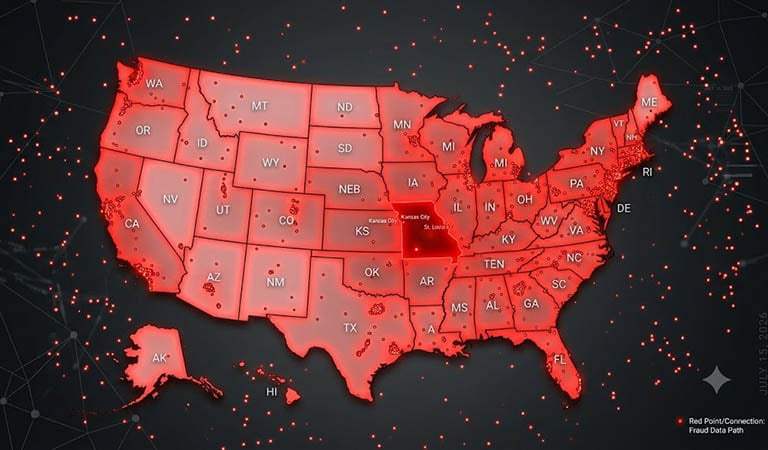

Missouri’s promise of automatic marijuana expungement has hit a massive administrative roadblock. While over 150,000 records have been cleared, hundreds of thousands more remain trapped in physical paper archives or caught in restrictive new legal definitions. Because these delays disproportionately burden communities of color who historically faced harsher enforcement, relying on the “automatic” system is no longer enough—individuals must take manual action to reclaim their clean slates.
Stuck in the System: Navigating Missouri’s Cannabis Expungement Backlog
When Missouri voters legalized recreational cannabis, it came with a massive promise: the automatic expungement (clearing) of past, low-level marijuana offenses. While the state has successfully processed over 150,000 cases, the reality on the ground has proven incredibly challenging.
The automatic rollout has run into significant structural and legal speed bumps, leaving hundreds of thousands of older cases completely untouched. If you or a loved one are waiting for a clean slate, understanding the current legal roadblocks, how they disproportionately affect vulnerable populations, and how to manually push your case forward is essential.
The Reality of the Backlog: Why is it Taking So Long?
Despite initial optimism, the “automatic” process has placed a massive administrative burden on local county clerks. Progress is currently stalled due to two major hurdles:
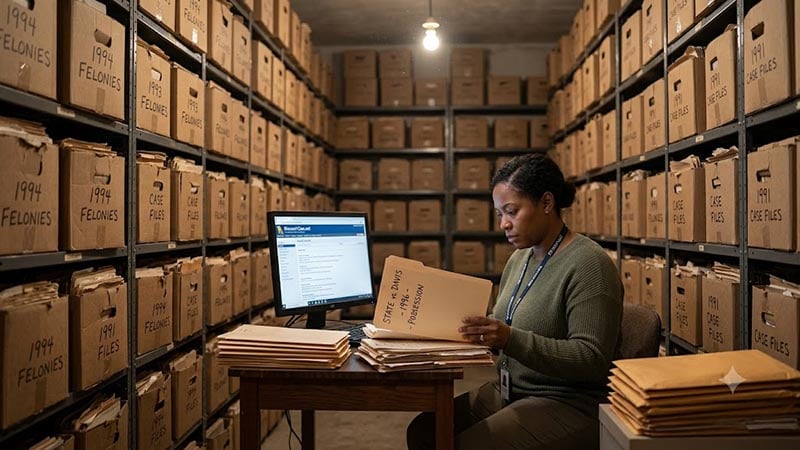
- The Paper-Trail Bottleneck: While recent digital files from the mid-2010s onward are easier to clear, hundreds of thousands of older cases remain stuck on physical paper records. Local clerks must manually track down, pull, and review these decades-old files from storage facilities.
- The Supreme Court Definition Shift: A recent Missouri Supreme Court precedent fundamentally shifted the scope of what gets erased. While voters initially expected a broader wipe of older, multi-pound felony charges, the state’s highest court limited the automatic definition of a “marijuana offense” strictly to cases involving three ounces or less. This ruling has left tens of thousands of older felony charges completely in limbo.
Because of this ruling, if your past charge falls outside the strict three-ounce limit, or if your file is buried in an older paper archive, relying on the automatic system means your record could remain uncleared indefinitely.
The Human Cost: A Disproportionate Burden on Communities of Color
The administrative delays and judicial scaling-back of expungements are not impacting all Missourians equally. Data highlights a stark racial disparity built into the backlog:
- Unequal Arrest Rates: Prior to legalization, Black Missourians were 2.6 to 3.6 times more likely to be arrested for marijuana possession than white individuals, despite data showing virtually identical usage rates. Because of this historical over-policing, the sheer volume of uncleared records falls heavily on communities of color.
- The “Paper” Era Disparity: The paper records currently buried in county basements represent the height of the War on Drugs (the 1980s through the early 2000s)—a period when enforcement was heavily concentrated in urban communities and neighborhoods of color.
- The Felony Trap: By restricting automatic expungements to under three ounces, the Supreme Court ruling disproportionately strands individuals with older, non-violent felony distribution or higher-weight possession charges. Research indicates that Black individuals historically faced harsher charging decisions for the same offenses, meaning white offenders were more likely to receive lower-level misdemeanors that are now easily wiped, while Black offenders remain anchored to older felony records.
According to research from the Paper Prisons Initiative, closing Missouri’s record-clearing gap completely would cut the Black-to-white felony conviction gap by over 50%. Leaving these records active locks thousands of minority residents out of stable housing, higher-paying jobs, and professional licensing for actions that are now fully legal.
Taking Control: How to Manually Check and Petition
If the state hasn’t cleared your record automatically, you do not have to sit around and wait. Missouri law allows individuals to actively file a formal petition to clear their records. This is highly recommended for anyone whose charges date back before 2015.
Here is the exact step-by-step procedure to take control of your record-clearing process.
1.Check Your Case Status Online:Takes 5-10 minutes.
Visit Missouri Case.net, the state’s virtual court management system. Search your name to check if your past marijuana charges are still visible to the public or if they have already been closed and archived.
2.Determine Your Eligibility:Reviewing charges.
Ensure your past offense aligns with current eligibility standards. Simple possession of three ounces or less, personal use paraphernalia, and cultivation of six or fewer plants are the primary targets for clearing. If your record involves a more complex felony charge, you may need a lawyer to review your options.
3.Contact Your Local Circuit Clerk:Locating the physical records.
If your case is still appearing online or is trapped in an old paper archive, contact the Circuit Clerk in the specific county where you were originally charged. Ask them directly about the status of your case review or request the paperwork required to file a formal expungement petition.
4.File a Formal Petition:Formal court request.
Fill out and file the expungement petition with the court where you were convicted. While Missouri has updated its general expungement laws to reduce wait times and allow more lifetime expungements, navigating a court petition can still feature procedural traps.
A Major Law Update to Keep in Mind: Outside of the automatic marijuana rules, Missouri passed general criminal justice reforms that slashed standard expungement waiting periods down to just 1 year for misdemeanors and 3 years for felonies after completing your sentence. If you have other minor offenses on your record holding you back, it is significantly faster to clear them now than it was in previous years.
Where to Find Free Legal Help
You do not have to pay thousands of dollars to a private defense attorney to clear your name. Because the automatic system has left so many Missourians stranded, regional legal aid organizations regularly host free “Expungement Clinics” and provide pro-bono assistance to handle the paperwork for you.
- Legal Aid of Western Missouri (LASMO): Serves Kansas City and the surrounding 40 counties.
- Legal Services of Eastern Missouri (LSEM): Services the St. Louis region and eastern counties.
- Mid-Missouri Legal Services (MMLS): Covers central Missouri, including Columbia and Jefferson City.
- Clear My Record Missouri: A dedicated, community-driven resource hub that tracks changes to state expungement laws and pairs individuals with free legal aid resources.
Don’t let an outdated, paper-bound system dictate your housing, employment, or financial future. Use Case.net to look up your status, connect with a local legal aid clinic, and manually reclaim your clean slate.
For a deeper look into how these local judicial shifts and Supreme Court restrictions are actively impacting older cases on the ground, you can check out this Local News Report on Missouri’s Expungement Restrictions. This video features insight from advocates like Missouri NORML regarding how older paper records and felony cases are being left behind by the recent judicial changes.