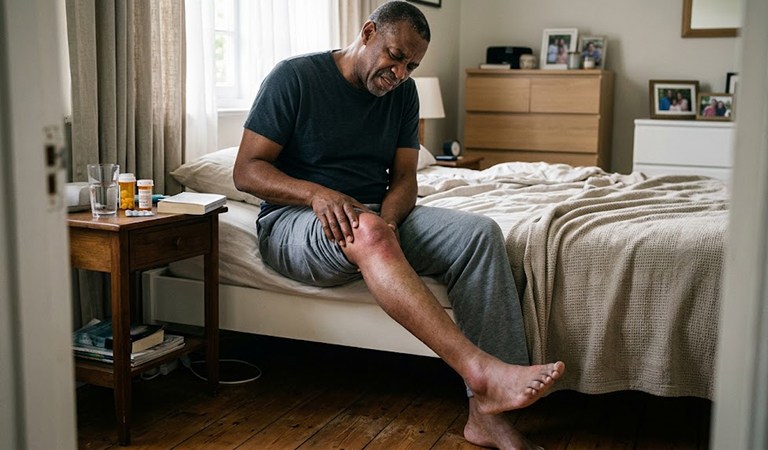

Treating ankle injuries requires immediate rest, ice, compression, and elevation (RICE) to reduce swelling and pain. While mild sprains often heal with home care and gentle rehabilitation exercises within a few weeks, severe ankle damage may require immobilization or physical therapy. Early treatment prevents long-term joint instability.

Treating ankle injuries quickly and correctly is the best way to get back on your feet. Whether you rolled your foot during a run or stepped off a curb awkwardly, prompt care limits damage. Understanding how to manage the pain and swelling can significantly speed up your healing process.
Ankle problems are among the most common physical setbacks for both athletes and everyday adults. Healing takes time, but using the right methods ensures your joint regains full strength and stability.
[mcb-block id=235317]Understanding Common Ankle Trauma
Before treating ankle injuries, you must understand the type of damage you have sustained. The ankle joint is a complex network of bones, ligaments, and tendons. Different structures require slightly different recovery approaches.
Sprains vs. Strains
Sprains happen when you stretch or tear a ligament, which connects bone to bone. This is the most common reason people experience ankle pain. A strain, on the other hand, involves stretching or tearing a muscle or tendon.
Both injuries cause pain, swelling, and limited movement. However, sprains typically happen on the outside of the ankle. Strains usually affect the back of the joint or the lower calf.
Fractures and Breaks
A fracture means one or more bones in the joint have broken. This type of damage is much more severe than a simple sprain. If your foot looks deformed or you hear a loud cracking sound during the fall, you might have a break.
You cannot manage a fracture alone. You must seek emergency medical care immediately for x-rays and proper casting.
Immediate Steps for Treating Ankle Injuries
The first 48 hours after hurting your ankle are critical. Treating ankle injuries effectively starts the moment the damage occurs. Acting fast keeps inflammation under control and protects the joint from further harm.
The RICE Protocol
Medical professionals universally recommend the RICE method for acute joint trauma. This stands for Rest, Ice, Compression, and Elevation.
First, stop any physical activity and rest the joint to prevent additional tearing. Apply an ice pack wrapped in a cloth for 15 to 20 minutes every few hours. Never put ice directly on your skin.
Next, wrap the joint with an elastic compression bandage to limit swelling. Keep the wrap snug, but do not cut off your blood circulation. Finally, elevate your foot above the level of your heart while sitting or lying down.
Managing Pain and Inflammation
Over-the-counter pain medications can help you stay comfortable during the early stages of recovery. Nonsteroidal anti-inflammatory drugs (NSAIDs) like ibuprofen or naproxen reduce both pain and swelling.
Always follow the package instructions when taking these medications. If your pain remains unbearable even with medication, it is time to contact a healthcare provider.
Rehabilitation and Long-Term Care
Once the initial swelling goes down, you must focus on restoring movement. Treating ankle injuries does not stop when the pain goes away. Proper rehabilitation prevents the joint from becoming permanently weak or unstable.
Gentle Range of Motion Exercises
Start moving your foot as soon as you can do so without sharp pain. Trace the letters of the alphabet in the air with your big toe. This simple exercise keeps the joint flexible and prevents stiffness.
Gradually increase your activity level as your strength returns. Do not rush back into high-impact sports or running too soon.
For more tips on maintaining physical wellness and supporting your body’s natural healing processes, visit The Narrative Matters.
Physical Therapy and Strengthening
If you suffered a severe sprain, your doctor might recommend physical therapy. A physical therapist will guide you through targeted exercises to rebuild the muscles around your joint. Stronger muscles provide better support for your ligaments.
Balance training is a crucial part of this process. Standing on one leg or using a wobble board retrains your body to stabilize the ankle during sudden movements.
When to Seek Medical Attention
While home care works well for mild trauma, some situations require professional help. Delaying a doctor visit can lead to chronic pain or early-onset arthritis.
Visit a medical professional if you cannot walk or bear any weight on the foot. You should also seek help if you notice severe bruising, numbness, or tingling in your toes.
Visit MedlinePlus or the Mayo Clinic for a comprehensive database of orthopedic terms and professional medical advice on joint disorders.
Prevention Strategies for the Future
After treating ankle injuries, your main goal should be preventing them from happening again. A previously injured ankle is always more vulnerable to future twists and rolls.
Always wear proper footwear designed for your specific activity. If you play sports on uneven surfaces, consider wearing a supportive brace or taping your joint. Finally, always warm up before exercising to ensure your muscles and tendons are ready for movement.
#AnkleInjury #InjuryRecovery #HealthTips