
Top Stories This Week: D.C.’s Week In Review
Here’s D.C.’s Week In Review: The recent Potomac sewage spill has caused widespread alarm across Washington, D.C., and Maryland. Consequently, residents have urgent questions about the safety of their local waterways. As DC Water officials work to manage the effects of the damaged Potomac Interceptor, the incident reveals a growing sewage crisis. This problem threatens both public health and the local ecosystem. Moreover, this environmental disaster has forced federal agencies and local leaders to confront aging infrastructure head-on. Meanwhile, community members are demanding faster answers about water contamination.
This week, the situation grew more complex as repair efforts met federal funding hurdles. Although crews are working around the clock, the volume of waste entering the river is still a critical concern. This article will break down what is happening with the spill, how it affects your water safety, and what steps are being taken to fix the problem.
The Scope of the Sewage Crisis in the DMV
The Potomac sewage spill is not just a minor leak. Instead, it is a major infrastructure failure impacting one of the region’s most vital natural resources. The Potomac River serves as a primary source of drinking water for millions in the DMV area. When a major interceptor pipe fails, it releases untreated wastewater directly into the environment.
DC Water has acknowledged the seriousness of the breach. The damage to the Potomac Interceptor—a critical pipeline that carries wastewater from Loudoun and Fairfax counties to the Blue Plains Advanced Wastewater Treatment Plant—requires emergency repairs. However, the large scale of the pipe and the difficult terrain have complicated these efforts.
Assessing Water Contamination Levels
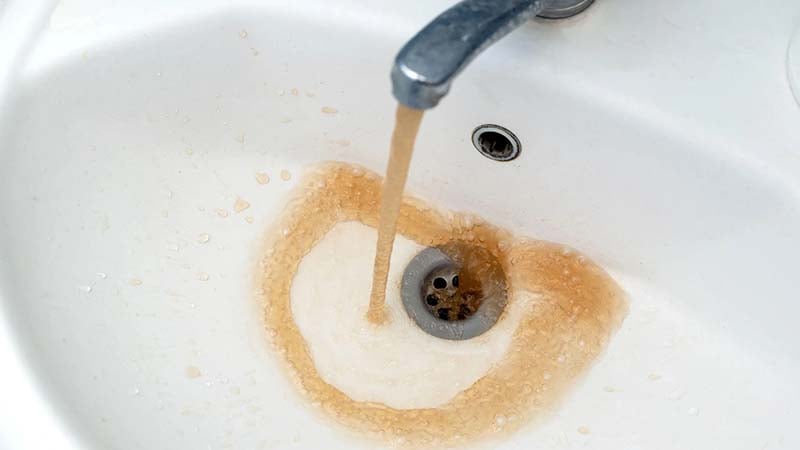
Residents are understandably worried about water contamination after the breach. While officials state that drinking water remains safe because of advanced filtration processes at treatment plants, the river water itself poses immediate risks.
Therefore, people should avoid contact with the water in affected areas. This includes:
- Fishing: Fish in the area might be exposed to high levels of bacteria.
- Recreational activities: Kayaking, rowing, or swimming in the Potomac near the spill site puts individuals at risk of exposure to harmful pathogens like E. coli.
- Pet safety: Additionally, dog owners should keep their pets away from the riverbanks. This will prevent them from drinking or swimming in contaminated water.
Federal Assistance and Local Response
The response to this sewage crisis involves complex coordination between local utilities and federal partners. With repair costs rising, assistance from the federal government has become a key part of the recovery strategy.
Navigating Federal Aid Amid Bureaucracy
Repairs to the Potomac Interceptor are moving forward, but they face challenges. Federal assistance is essential for a project of this size, yet the current political climate in Washington complicates things. For instance, reports of Department of Homeland Security (DHS) shutdowns and shifting priorities within the Trump Administration make securing immediate funding from agencies like FEMA a race against time.
Local leaders are pushing for faster help to lessen the environmental impact. The involvement of federal entities is necessary not only for funding the physical repairs but also for monitoring the long-term ecological damage from the spill.
Community Concerns Over Transparency
While technical teams work on the pipes, a different kind of pressure is mounting in community meetings. Specifically, residents in Maryland and D.C. have expressed frustration about the speed of communication regarding the Potomac sewage spill.
Many feel that alerts about the spill were delayed. As a result, riverside communities were unaware of the potential hazards for too long. This lack of transparency has also fueled anxiety about what other infrastructure vulnerabilities might exist.
Demanding Better Infrastructure Oversight
This incident has led to renewed calls for aggressive oversight of the region’s water systems. The DC Council is already holding intense hearings on high energy bills and public safety. Now, infrastructure resilience is moving to the top of its agenda. Advocates argue that without significant investment and proactive maintenance, we will see these “emergency” scenarios happen more frequently.
What You Can Do Right Now
In the wake of the Potomac sewage spill, staying informed is your best defense.
- Monitor Local Alerts: Sign up for notifications from DC Water and your local county government. This will give you real-time updates on repair progress.
- Conserve Water: Reducing household water usage can help ease the pressure on the wastewater system while it operates at a lower capacity.
- Report Issues: If you see signs of water pollution or smell unusual odors near the river, report them to environmental authorities immediately.
We will continue to track this sewage crisis as federal aid arrives and repairs move forward.
Related Reading
For more on how local policies impact our community, read our analysis on Environmental Justice and Urban Planning.
To stay updated on official water quality reports, visit the DC Water Service Alerts page.
#PotomacSewageSpill #WaterSafety #DMVNews