

GoFundMe Faces Scrutiny Over Unauthorized Charity Fundraising Pages
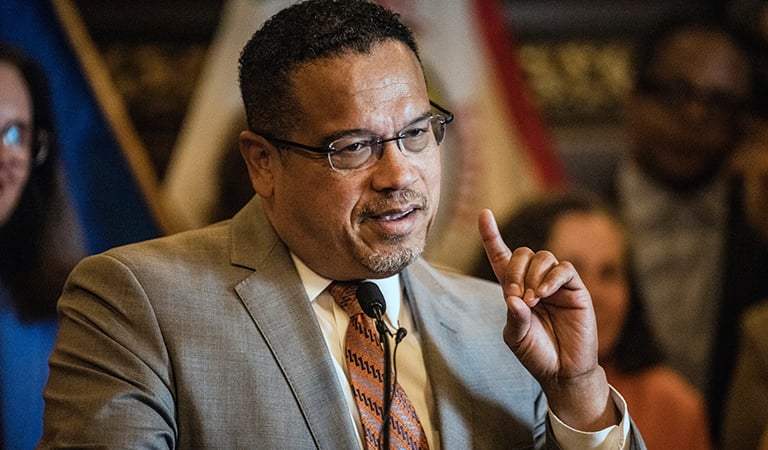
Minnesota Attorney General Keith Ellison, alongside a bipartisan coalition of 21 state attorneys general, has issued a stark warning to one of the largest online fundraising platforms. In a formal letter, Attorney General Ellison demands GoFundMe prove removal of imposter web pages created using the information of legitimate charities. Without prior knowledge or consent, the platform allegedly generated unauthorized donation pages for over 1.4 million charities nationwide.
This sweeping action highlights severe concerns regarding digital fundraising ethics. The coalition insists that GoFundMe must immediately prove it has removed these unauthorized sites and provide full transparency about where diverted donations actually went.
Why Attorney General Ellison Demands GoFundMe Prove Removal of Imposter Web Pages
GoFundMe operates as a highly recognizable name in the digital giving space. As a for-profit Delaware corporation headquartered in California, it holds registration as a charitable fundraising platform. However, recent findings suggest the company engaged in deceptive practices that actively harmed the very organizations it claims to support.
According to the coalition, GoFundMe created fake fundraising pages that intercepted donations meant for real charities. The platform then allegedly used search engine optimization tactics to list its own unauthorized pages above the official websites of those organizations.
When people tried to support their favorite local or national causes, search engines directed them to GoFundMe instead. This deceptive routing meant donors unknowingly gave money through a third party rather than directly to the intended charity.
The Problem with the 16.5% Fee Structure
The creation of fake donation sites is alarming enough, but the financial mechanics make the situation worse. GoFundMe allegedly took a 16.5% cut from donations made on these imposter pages. People who thought they were giving 100% of their money to a specific charity were actually paying a hefty premium to a massive tech corporation.
This practice intercepts critical funding meant for community support, medical research, and disaster relief. By exploiting the names and reputations of legitimate nonprofits, the platform generated significant revenue under false pretenses.
What Regulators Expect from the Platform
State regulators enforce strict consumer protection and charitable solicitation laws. Because GoFundMe’s actions contained inaccurate information and deceptive statements, the bipartisan coalition has given the platform 14 days to implement immediate remedial measures.
The demands outline three critical steps GoFundMe must take:
- Show clear evidence: The platform must provide verifiable proof that it removed all unauthorized donation pages from its network.
- Disclose donation data: GoFundMe must share all information that affected donor decisions. This includes revealing exactly where the money went if it did not reach the charity listed on the imposter page.
- Explain search engine manipulation: The company must detail how it will ensure its pages never appear above a legitimate charity’s official website or campaign in internet search results again.
Ensuring Transparency and Donor Confidence
When you donate to a cause, you expect your money to reach the people doing the work. Deceptive online practices erode trust in the entire nonprofit sector. As regulators work to hold platforms accountable, donors must also remain vigilant.
To better understand how to protect your donations and spot deceptive campaigns, read more about charitable giving and fraud prevention.
The Future of Online Fundraising Regulation
The sheer scale of this issue—involving 1.4 million unauthorized pages—shows why strict oversight of tech platforms remains necessary. Attorney General Ellison and his colleagues from states including Illinois, New York, Texas, and Washington are drawing a hard line against corporate overreach in the charitable sector.
If GoFundMe fails to comply within the 14-day window, regulators will likely escalate their enforcement actions. For now, the coalition’s message remains clear: tech platforms cannot use the good names of local charities to line their own pockets. The public deserves transparency, and nonprofits deserve the full financial support intended for them.
#CharityFraud #NonprofitTransparency #GoFundMe