
The Columbia gas station boycott has ignited intense racial and economic friction following the acquittal of Chikei Rick Chow. Chow, a South Carolina convenience store owner, fatally shot 14-year-old Cyrus Carmack-Belton in 2023 over a false shoplifting suspicion. The verdict has triggered intense viral boycotts, economic sabotage, and deep-seated community divides.
The Verdict That Sparked the Columbia Gas Station Boycott
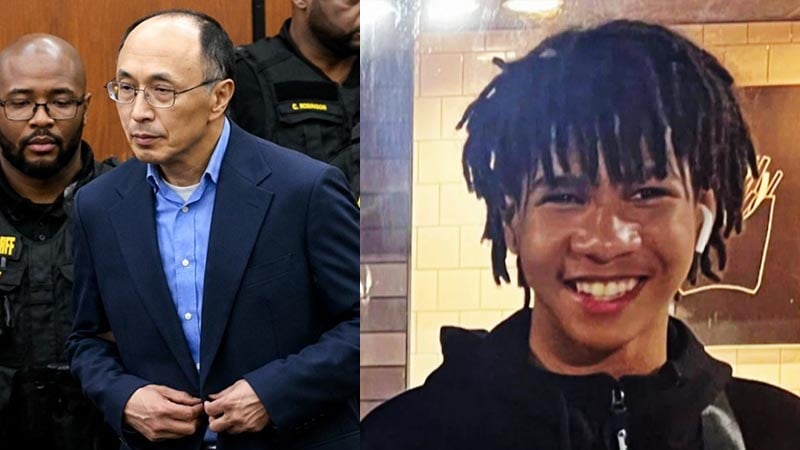
The acquittal of Chikei Rick Chow has re-ignited a explosive firestorm over racial profiling, self-defense laws, and economic power. In May 2023, Chow shot and killed 14-year-old Cyrus Carmack-Belton outside his Shell gas station in Columbia, South Carolina. Chow falsely suspected the teenager of stealing bottles of water.
While prosecutors emphasized that Carmack-Belton was shot in the back and fleeing, the defense successfully argued self-defense, claiming the youth possessed a firearm. The resulting “not guilty” verdict has transformed local outrage into a nationwide convenience store protest movement. Demonstrators routinely gather at the shooting site, holding water bottles aloft to symbolize what they describe as the systemic, lethal over-policing of Black youth.
       [ Rick Chow Acquittal ]
                  │
                  ▼
   [ Columbia Gas Station Boycott ]
        ╱         │         ╲
       ▼          ▼          ▼
  Economic     Mother's    Online
  Sabotage     Rallying    Counter-
 (Fake Orders)   Call      Protests
Alt-Text for Custom Data Visualization Chart: A flowchart mapping the escalation of the Columbia gas station boycott from the initial courtroom verdict to widespread economic warfare and community counter-protests.
Economic Warfare: How the Carmack-Belton Verdict Fragmented Communities
Nicole Carmack’s Call to Action and the Mobilization of Black Consumers
Following the verdict, Nicole Carmack, the mother of Cyrus Carmack-Belton, issued a public call to action. She urged her community to immediately withhold financial support from Asian-owned businesses where Black customers report feeling monitored, targeted, or racially profiled. This localized grief quickly translated into a systemic retail boycott campaign online.
Viral social media movements expanded the scope of the protest far beyond the single gas station. Activists successfully rallied Black consumers to stop patronizing an array of Asian-owned establishments, including local Chinese takeout restaurants, neighborhood laundromats, and beauty supply stores.
Coordinated Sabotage and the Rise of Counter-Protests
As the convenience store protest movement intensified, the tactics shifted from passive non-patronage to direct economic harassment. Multiple Chinese-American restaurant owners reported waves of phantom phone orders—large, expensive catering requests called in by anonymous individuals who never arrived to pay or collect the food. This coordinated sabotage inflicted immediate, severe financial strain on independent small business owners.
| Protest Manifestation | Primary Action Taken | Socioeconomic Impact |
| Gas Station Rallies | Holding water bottles outside the Columbia Shell station | Elevated local visibility & sustained media coverage |
| Digital Boycott Campaigns | Viral social media calls to avoid Asian-owned businesses | Diversion of consumer capital across multiple sectors |
| Economic Sabotage | Placing fake, high-volume food orders at local restaurants | Direct financial losses and food waste for small businesses |
| Community Counter-Protests | Digital responses daring activists to sustain the boycott | Deepened racial and social polarization online |
In response, Asian community advocates launched counter-protests across TikTok and Instagram. Viral videos emerged featuring individuals openly daring critics to sustain the boycott permanently. This aggressive digital rhetoric has effectively widened the divide between the two minority communities, complicating efforts toward cross-racial solidarity.
Weaponized Capital and the Path Forward
The fallout from the Rick Chow trial demonstrates how quickly a localized tragedy can escalate into structural economic warfare. The situation underscores a deep-seated frustration with a legal system perceived as failing Black victims. Simultaneously, the collateral damage inflicted on unrelated immigrant business owners highlights the complex, messy nature of modern grassroots retribution.
For deeper context on how systemic justice issues impact local commerce and community relationships, read our comprehensive analysis on structural inequality at thenarrativematters.com. For detailed legal breakdowns and ongoing updates regarding South Carolina’s stand-your-ground interpretations, consult the official South Carolina Judicial Department.
Frequently Asked Questions (FAQ)
What caused the Columbia gas station boycott?
The boycott was triggered by the acquittal of convenience store owner Chikei Rick Chow, who fatally shot 14-year-old Cyrus Carmack-Belton in the back after falsely accusing him of shoplifting water.
What industries are being impacted by the protest?
While the shooting occurred at a gas station, the boycott has expanded to include various Asian-owned businesses such as Chinese takeout restaurants, beauty supply stores, and laundromats.
What is the significance of the water bottles at the protests?
Demonstrators hold water bottles outside the gas station to symbolize Cyrus Carmack-Belton, who was falsely suspected of stealing water before being killed, highlighting the deadly consequences of racial profiling.
#CyrusCarmackBelton #ColumbiaBoycott #JusticeForCyrus