
Is AI Taking Over Jobs?
Yes, AI is accelerating job displacement, as seen in Meta’s recent move to lay off 8,000 workers and pivot 7,000 to AI teams. While routine and mid-level management roles face high AI workforce impact risks, specialized AI developers, strategic leaders, and creative problem-solvers remain safe in this transitioning economy.
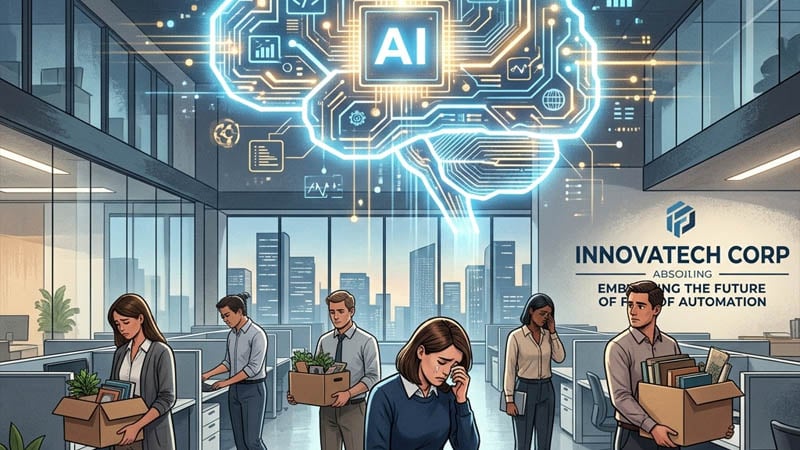
The anxiety surrounding artificial intelligence is reaching a boiling point. With the recent Meta layoffs dominating headlines, many professionals are asking: is AI taking over jobs? The short answer is that the landscape is shifting dramatically.
Meta recently announced it is laying off approximately 8,000 employees, about 10% of its global workforce. At the same time, the company is reassigning another 7,000 employees to AI-focused teams and canceling 6,000 open roles. CEO Mark Zuckerberg attributes this massive AI-driven restructuring to an “AI-first” pivot.
If you are worried about your career trajectory, you need to understand this transition. This article breaks down Meta’s corporate strategy, the broader industry trends, and the skills you need to stay relevant.
The Meta Pivot: Understanding the AI Workforce Impact
Meta’s decision highlights a stark reality about modern capital expenditures. The company is trading traditional operational roles for massive investments in AI data centers, chips, and model training. This move is flattening management structures to operate with the agility of a lean startup.
The shift away from expensive Reality Labs projects shows a deliberate re-concentration of core business operations. To understand this pivot, look at how corporate priorities have changed.
Comparing Corporate Focus: Metaverse vs. AI
| Business Focus | Previous Strategy (Metaverse) | New Strategy (AI-First) |
|---|---|---|
| Core Investment | Virtual reality hardware and software | AI data centers and agentic workflows |
| Team Structure | Large, hierarchical management | Small, flat “pod” teams |
| Hiring Goals | Broad tech and operational roles | “AI Native” design and applied engineering |
How Meta is Executing Its AI-Driven Restructuring
Nearly 20% of Meta’s global workforce feels the direct impact of this shift. The transition process involves clear, sweeping corporate actions.
- Massive Layoffs: Eliminating 8,000 roles to offset massive capital expenditures for AI infrastructure.
- Role Reassignment: Drafting roughly 7,000 unaffected employees into newly formed teams like Applied AI Engineering.
- Hiring Freezes: Canceling 6,000 open roles that do not align with the new AI-native focus.
- Severance Allocation: Providing impacted U.S. workers with 16 weeks of base pay, plus two weeks for every year of service.
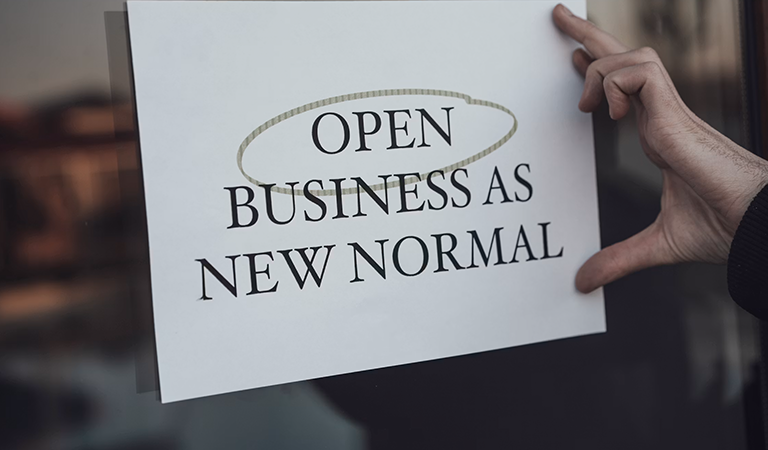
Tech Sector Contraction: Is AI Job Displacement the New Normal?
The anxiety at Meta is part of a much larger tech-industry trend. Over 1,000 Meta employees signed petitions protesting internal data tracking, reflecting deep internal resistance. However, the corporate march toward artificial intelligence continues unhindered.
Companies like Microsoft, Amazon, and Block have enacted similar layoffs. They are redirecting capital to fund their own AI infrastructure buildouts. This widespread contraction forces us to seriously consider how quickly AI job displacement will spread beyond the tech sector.
For a deeper dive into how tech giants are funding these AI buildouts, check out the [financial coverage on CNBC or The New York Times].
Who Will Be Safe from AI Taking Over Jobs?
With algorithms handling agentic workflows, many wonder who will survive the next wave of layoffs. The good news is that human intuition, strategic oversight, and specialized technical skills remain highly valuable.
Roles that require complex emotional intelligence or physical dexterity are currently insulated from automation. Furthermore, professionals who adapt to use AI tools will likely replace those who refuse to evolve.
Skills That Protect Against AI Job Displacement
If you want to future-proof your career, you must focus on areas where artificial intelligence struggles.
- Strategic Leadership: AI can process data, but humans must set the vision and navigate complex corporate politics.
- Advanced AI Engineering: Building, auditing, and maintaining AI models are the most secure roles in the current market.
- Creative Problem Solving: Roles requiring out-of-the-box thinking and deep human empathy cannot be automated.
To learn more about adapting your career in a shifting digital landscape, read our related guide on [navigating modern workforce trends on thenarrativematters.com].
Summary and Next Steps
The reality of AI taking over jobs is no longer a futuristic theory; it is happening right now. Meta’s massive workforce reduction and reassignment strategy perfectly illustrates this new era of tech consolidation.
- Acknowledge that AI-driven restructuring is a permanent shift, not a temporary trend.
- Assess your current role for automation risks.
- Invest time in learning how to leverage AI tools within your specific industry.
- Pivot your skill set toward strategic, creative, or technical AI management.
Do not wait for the next wave of corporate layoffs to hit your sector. Start integrating AI into your daily workflow today to ensure you remain indispensable.
#AIJobs #MetaLayoffs #FutureOfWork