
Top World News Stories Week February 8
Here are the Top World News Stories for the week of February 8. The world stage is crowded with critical developments this week. Consequently, the global news February 2026 cycle is one of the most consequential in recent memory. Nations grapple with dual pressures. They face geopolitical conflicts and environmental emergencies. International headlines paint a picture of a planet in transition. These range from diplomatic ultimatums in Eastern Europe to civil unrest in Italy. Furthermore, alarming climate data arrives from the South Pole.
This article explores three major stories dominating world events. First, we examine the U.S. deadline for a Ukraine peace deal. Next, we look at the violent disruptions at the Milan Winter Olympics. Finally, we review data from a collapsing Antarctic glacier. Together, these stories highlight how security, society, and the environment connect.
U.S. Sets Deadline for Ukraine-Russia Peace Deal
The war in Ukraine reached a critical juncture. Surprisingly, the United States signaled a hard deadline to end hostilities. This move ramps up pressure on both Kyiv and Moscow.
The June Deadline
Ukrainian President Zelenskyy publicly stated the new U.S. plan this week. The administration wants a finalized peace deal with Russia by June 2026. This timeline represents a significant shift in Western strategy. It moves from open-ended support to a demand for resolution. Furthermore, this push comes as “Ukraine fatigue” grows in Western capitals. This happens despite intense fighting on the front lines.
The proposed deadline sparked intense debate among military analysts. Some view it as a necessary step to prevent a forever war. However, others worry it forces concessions that undermine Ukraine’s sovereignty. Details of a compromise remain scarce. Yet, diplomatic channels are reportedly more active now than in previous years.
Continued Aggression and Energy Strikes
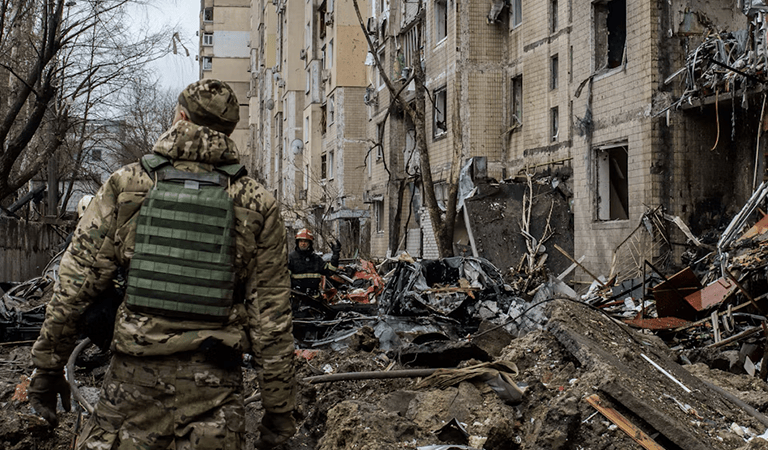
Despite peace talks, reality on the ground remains brutal. Russia continues its devastating strikes on Ukrainian energy infrastructure. They design these attacks to cripple the economy. Additionally, they aim to demoralize the population before a potential truce takes effect.
This mix of peace talks and bombing campaigns is a classic negotiation tactic. Experts often refer to it as “fighting while talking.” As the June deadline approaches, both sides will likely try to maximize territorial holdings. Therefore, they hope to strengthen their bargaining positions.
Violence Erupts at Milan Winter Olympics
Diplomats negotiate in Eastern Europe. Meanwhile, chaos broke out in Western Europe. The 2026 Winter Olympics in Milan, Italy, intended to be a celebration of sport. Unfortunately, significant civil unrest marred the event.
Protests Near Olympic Venues
Violent anti-government protests occurred near Olympic venues. Demonstrators clashed with police. Consequently, police made numerous arrests, and tear gas hangs over the host city. A mix of local economic grievances drives these protests. Furthermore, citizens oppose the government’s recent austerity measures.
Riot police stand guard near ski slopes and ice rinks. This creates a surreal atmosphere for athletes and spectators. Authorities heightened security to unprecedented levels. For instance, they established checkpoints throughout Milan. They aim to prevent protesters from disrupting the games.
Impact on the Games
Inevitably, the unrest distracted from athletic achievements. Media coverage splits between medal counts and street clashes. This tarnishes the event’s image. Organizers scramble to ensure the safety of international delegations. However, international headlines remain focused on the instability.
These events serve as a stark reminder. International sporting events are rarely immune to host nation politics. History will likely remember the Milan games for the security crisis. This overshadows records broken on the ice.
For more insights on international sporting controversies, check out our coverage on sports and politics at thenarrativematters.com.
Record-Breaking Antarctic Ice Melt
Beyond war and politics, a slower disaster unfolds in the Antarctic. It is potentially more devastating. Scientists sound the alarm. A research mission uncovered data that exceeds worst-case scenarios.
Instrument Collapse and Rapid Warming
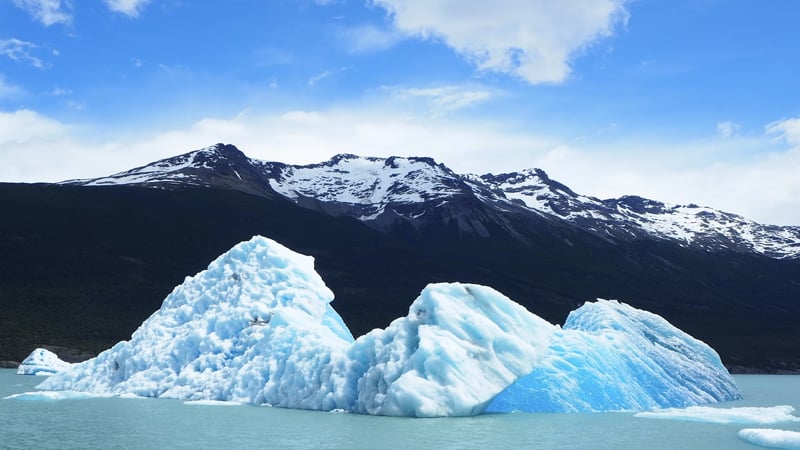
A scientific team reported a major collapse of their measuring instruments. They were on a mission to a major Antarctic glacier. Technical error did not cause the equipment failure. Rather, the ice shelf they monitored physically collapsed. The team investigated reports of rapid, unprecedented warming under the ice.
They retrieved data before the collapse. It indicates water temperature beneath the glacier is significantly higher than predicted. This rapid warming eats away at the ice sheet’s foundations. Consequently, it accelerates its slide into the ocean.
Global Implications
This is not just a local environmental issue. It drives world events. The melt rate observed in early February 2026 has dire implications. Specifically, it affects global sea-level rise. Coastal cities around the world must revise their long-term infrastructure plans.
The scientific community urges immediate global action. They warn we are approaching a tipping point. Perhaps we already passed it. Political leaders focus on borders and budgets. Meanwhile, the planet’s physical geography changes faster than policy.
For additional scientific reporting on climate change, you can visit BBC News Science & Environment.
Conclusion
The first week of February 2026 delivered a stark mix. We saw diplomatic pressure, social unrest, and environmental warnings. The U.S. pushes for an end to the war in Ukraine. Italian citizens protest during the Olympics. Meanwhile, Antarctic ice melts silently. These stories define our current moment.
Staying informed on global news February 2026 is essential. It helps us understand our world’s shifting dynamics. These international headlines are not isolated incidents. Rather, they are threads of a complex tapestry. They will shape the rest of the decade.
#GlobalNews #UkrainePeace #ClimateCrisis