

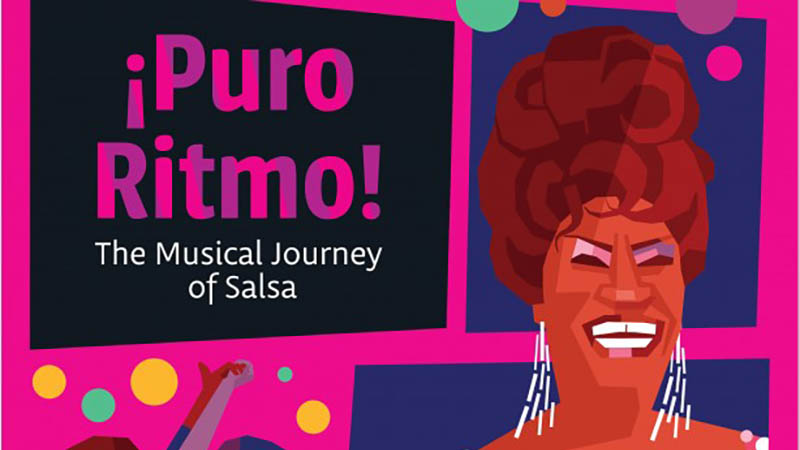
“¡Puro Ritmo!” is a bilingual salsa exhibit currently open at The Smithsonian’s National Museum of the American Latino, located inside the National Museum of American History. Running through 2028, this immersive 4,500-square-foot showcase explores Afro-Cuban music’s global influence using over 300 artifacts, multimedia displays, and stories of legendary artists.

“People , Places and Things in The City.” Welcome to the Travelution.
DC Free Events This Weekend: Top Things to Do in D.C.
Music possesses a unique power to capture the soul of a community and broadcast it to the world. Few genres achieve this as vibrantly as salsa, a musical powerhouse built on a fusion of complex rhythms and rich cultural storytelling. If you want to understand the heartbeat of this global phenomenon, you need to visit The Smithsonian’s National Museum of the American Latino. The museum’s groundbreaking exhibition, “¡Puro Ritmo!”, invites visitors into the dynamic history of a genre that changed American music forever.
Housed within the Molina Family Latino Gallery at the National Museum of American History, this temporary but extensive installation runs through 2028. It serves as an engaging cornerstone for the future permanent museum on the National Mall. The exhibit offers a profound look into how Afro-Cuban traditions traveled, transformed, and triumphed across the United States.
The Evolution of Salsa: From Havana Streets to New York Floors
Salsa is not just a genre of music; it is a sprawling historical narrative of migration and innovation. The Smithsonian’s Latino museum exhibit meticulously traces the roots of this sound back to the streets of Havana, Cuba. There, traditional Afro-Cuban rhythms like son and rumba laid the fundamental groundwork for future generations.
As musicians migrated to the United States, particularly to cities like New York and Miami, they brought these infectious rhythms with them. The exhibition highlights how these sounds collided with American jazz, blues, and big band music during the mid-20th century. New York dancefloors became the great melting pot where salsa truly found its definitive identity.
The story presented in the gallery shows that salsa is an active dialogue between cultures. It highlights how working-class immigrants used music to hold onto their heritage while carving out a new space in American society. Visitors gain a clear understanding of how these early pioneers built a bridge between Latin America and the United States through rhythm alone.
Celebrating Afro-Cuban Music Legends
You cannot tell the story of salsa without honoring the titans who popularized it. The exhibit proudly features cultural figures who transformed local club scenes into international phenomenons. Icons like the Queen of Salsa, Celia Cruz, and the legendary timbalero Tito Puente take center stage.
The gallery examines their personal journeys alongside their professional triumphs. By exploring the lives of these legends, the exhibit humanizes the music and showcases the sheer determination required to break into mainstream American entertainment. Alongside these massive stars, the exhibition also shines a light on local pioneers and session musicians who built the genre’s foundation from the ground up.

Immersive Experiences at The Smithsonian’s Latino Museum
Walking through the 4,500-square-foot space of the Molina Family Latino Gallery feels less like reading a textbook and more like stepping into a live concert hall. The museum designers prioritized a multimedia experience that lets visitors actually feel the rhythm. Sound is just as important as sight in this carefully curated space.
Bilingual Displays and Interactive Content
To ensure the exhibit reaches the widest possible audience, all informational displays are presented in both English and Spanish. This bilingual approach honors the language of the music while remaining accessible to diverse museum-goers. The interactive content scattered throughout the gallery transforms passive observation into active participation.
Visitors can engage with touch screens that break down the distinct instrumental layers of a salsa track. You can isolate the sound of the congas, listen to the brass section, and learn how the essential “clave” rhythm holds the entire composition together.
Here is what you can expect from the interactive zones:
- Rhythm Stations: Touch-screen kiosks that teach you the basic steps and timing of salsa dancing.
- Audio Mixing Consoles: Digital boards where users can mix their own versions of classic Afro-Cuban tracks.
- Oral History Booths: Listening stations featuring recorded interviews with musicians, dancers, and record producers.
- Visual Timelines: Animated maps tracing the physical migration of the music from the Caribbean to the urban centers of America.
Exploring the Artifacts: 300+ Objects on Display
The true strength of the “¡Puro Ritmo!” exhibit lies in its incredible collection of physical artifacts. The gallery features over 300 objects, each telling a highly specific story about the people who made and loved this music. These items range from glamorous stage outfits to worn-out instruments that survived decades of touring.
| Artifact Type | Historical Significance | Notable Examples |
|---|---|---|
| Musical Instruments | Shows the physical tools used to create Afro-Cuban rhythms. | Tito Puente’s timbales; traditional wooden claves; vintage brass trumpets. |
| Stage Wardrobe | Highlights the visual flair and theatricality of salsa performances. | Celia Cruz’s iconic rumba dresses; a customized boxing robe worn by a legendary performer. |
| Vinyl Records & Cover Art | Demonstrates the marketing and visual branding of the genre. | Rare Fania Records pressings; original concept art for classic album covers. |
| Personal Documents | Provides insight into the daily lives and struggles of immigrant artists. | Handwritten sheet music; old passports; tour contracts from the 1960s and 1970s. |
By pairing these physical objects with the interactive sound displays, the museum creates a comprehensive sensory experience. You can see the dents in a conga drum and immediately press a button to hear exactly how it sounds.
Cultural Identity and American History Contributions
Salsa music is inherently tied to stories of cultural identity and social activism. The “¡Puro Ritmo!” exhibit firmly places the genre within the broader context of Latino contributions to American history. During periods of civil unrest and fights for equal rights, salsa served as a unifying voice for marginalized communities.
Musicians frequently used their platforms to speak out against discrimination, poverty, and political injustice. The lyrics often reflected the harsh realities of barrio life, transforming dance tracks into powerful anthems of resilience. The exhibition ensures that these important contextual themes are never lost behind the upbeat tempo of the music.
By visiting this gallery, guests learn that Latino history is deeply embedded in the fabric of American history. The music was a tool for survival, a method for community organizing, and a celebration of enduring spirit. For more compelling stories that explore the intersection of culture, art, and history, consider reading more about community narratives and cultural preservation.
We recommend a visit to the “Molina Family Latino Gallery
The Smithsonian’s National Museum of the American Latino has successfully created an exhibit that is as educational as it is entertaining. “¡Puro Ritmo!” proves that history does not have to be quiet. Sometimes, the best way to learn about the past is to listen to the music it left behind. Make sure to experience this incredible journey through sound and culture before the exhibition concludes in 2028.
#SmithsonianLatino #SalsaExhibit #AfroCubanMusic