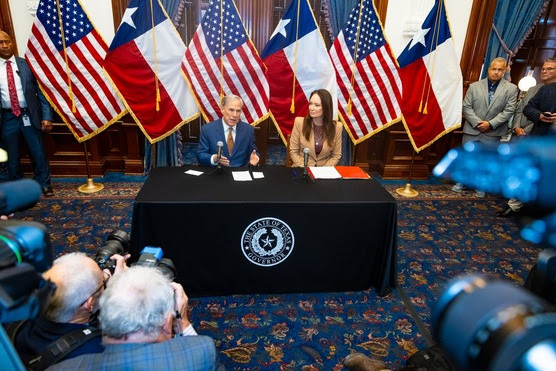

USDA has launched a new Small Processors Action Plan and opened $60 million in funding to help small meat and poultry plants reduce regulatory friction, expand capacity, and strengthen local food supply chains.
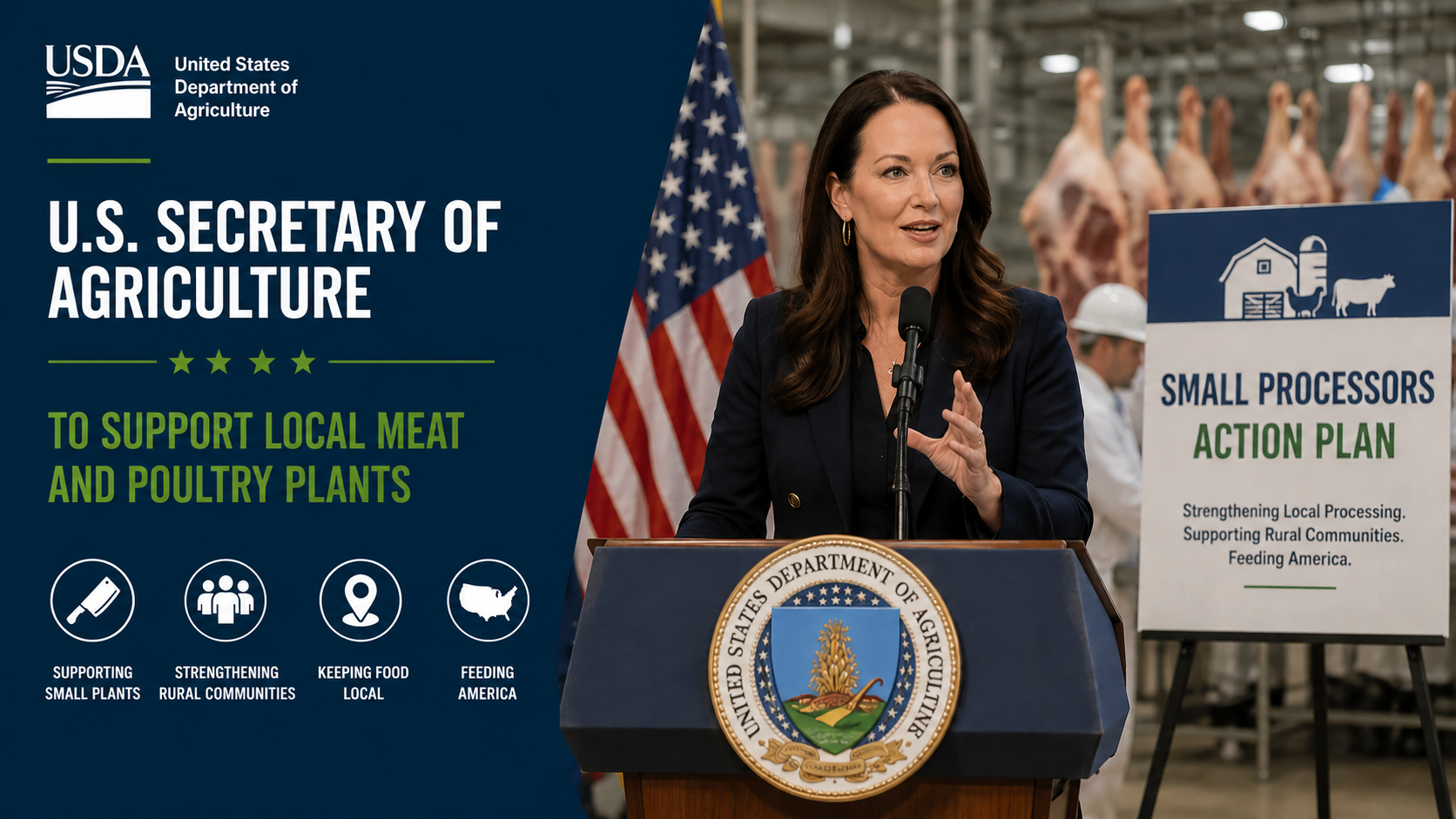
USDA Launches Small Processors Action Plan and $60 Million in New Funding to Support Small Meat and Poultry Plants
The USDA is stepping up for small meat and poultry processors — and the investment is significant. U.S. Secretary of Agriculture Brooke L. Rollins recently launched the Small Processors Action Plan, a sweeping set of reforms designed to reduce red tape, improve government support, and strengthen local food systems. On top of that, USDA is opening applications for $60 million in new funding through the Meat and Poultry Processing Expansion Program.
Together, these moves signal a meaningful shift in how the federal government supports the small plants that form the backbone of America’s local food supply. Here’s what you need to know.
What Is the Small Processors Action Plan?
Small and very small plants make up the majority of federally inspected meat and poultry establishments. They serve local economies, supply rural communities, and help keep the nation’s food system resilient. But many of these businesses have long struggled with unclear regulations, slow agency responses, and complicated processes.
The Small Processors Action Plan directly addresses those frustrations. Secretary Rollins framed it plainly:
“We are removing overly burdensome red tape, improving service, and giving small plants the clarity and support these businesses need to operate safely, grow, and compete.”
The plan focuses on three core areas of improvement.
1. Better Customer Service and Faster Responses
Small processors have historically faced delays when trying to get answers from USDA. Under the new plan, USDA will:
- Create clearer, easier ways for small plants to submit and track appeals and requests
- Establish dedicated support to help small businesses navigate processes and get timely responses
- Expand access to assistance for plants with limited technology or connectivity
2. Clearer Requirements and Simpler Navigation
Confusion around federal requirements has been a persistent barrier for small operations. To fix that, USDA will:
- Update and expand plain-language guidance from the Food Safety and Inspection Service (FSIS), tailored to small and very small plants
- Improve visibility of available support, escalation paths, and points of contact
- Launch simpler tools to help plants engage with USDA systems
3. Less Unnecessary Burden — Without Compromising Food Safety
Critically, USDA is drawing a clear line: cutting burden does not mean cutting safety. The plan includes:
- Streamlining processes related to FSIS inspection staffing concerns and appeals
- Improving consistency and clarity across the field through targeted training and guidance
- Strengthening coordination with the Small Business Administration so that small plants can access all available resources
USDA says it will begin rolling out these improvements immediately and will continue engaging with processors to ensure the changes work in practice.
$60 Million in New Funding: What Processors Need to Know
In addition to the action plan, USDA’s Rural Business and Cooperative Service published a Notice of Funding Opportunity for $60 million through the fourth phase of the Meat and Poultry Processing Expansion Program (MPPEP).
This round of funding aims to help eligible processors expand capacity, encourage competition, and build a more resilient supply chain across the U.S. meat processing sector.
How Will the Funding Be Split?
USDA will divide the $60 million equally into two separate competitions:
- Small and Very Small Processors
- Intermediate Processors
Who Is Eligible to Apply?
A broad range of organizations can apply, including:
- For-profit organizations
- Nonprofit organizations
- Producer-owned cooperatives
- Tribes and tribal entities
To qualify, applicants must meet several conditions. First, the entity must be independently owned and operated. Second, it must be domestically owned. Third, the processing facility must be physically located and operating in the United States or its territories. Finally — and importantly — the applicant’s facility must primarily process cattle to qualify, though approved funds or equipment may also support poultry processing at the same facility.
Applications must be submitted electronically through Grants.gov.
Why This Matters for the U.S. Food System
Both the Small Processors Action Plan and the MPPEP funding build on USDA’s broader plan to fortify the American beef industry. For small processors, the combined impact could be substantial.
Secretary of Health and Human Services Robert F. Kennedy Jr. also weighed in:
“USDA’s Small Processors Action Plan will strengthen our food supply, expand access to high-quality protein, and support American farmers and ranchers.”
For rural communities especially, small meat and poultry plants are more than businesses — they are economic anchors. When these plants face unnecessary regulatory friction or lack access to capital, the effects ripple through local economies. By reducing barriers and injecting new funding, USDA is working to keep these operations viable and growing.
Key Takeaways
The USDA’s latest moves represent a practical, two-pronged approach to supporting small meat and poultry processors:
- The Small Processors Action Plan improves service, clarifies requirements, and removes unnecessary burdens — without weakening food safety standards
- The $60 million MPPEP Phase 4 funding opens new opportunities for small, intermediate, and cattle-focused processors to expand capacity
If you operate a small meat or poultry processing plant — or support one — now is the time to review the Small Processors Action Plan and check eligibility for the MPPEP fourth round on USDA’s website. Applications must be submitted through Grants.gov.
#SmallProcessors #FoodSafety #Agriculture #USDA #MeatProcessing #PoultryProcessing #RegulatoryReform #SupportSmallBusiness #FoodIndustry #BrookeRollins