
Ancestral healing can strengthen chronic disease care for BIPOC communities by improving trust, cultural relevance, and long-term patient engagement.

Articulated Insight – “News, Race and Culture in the Information Age”
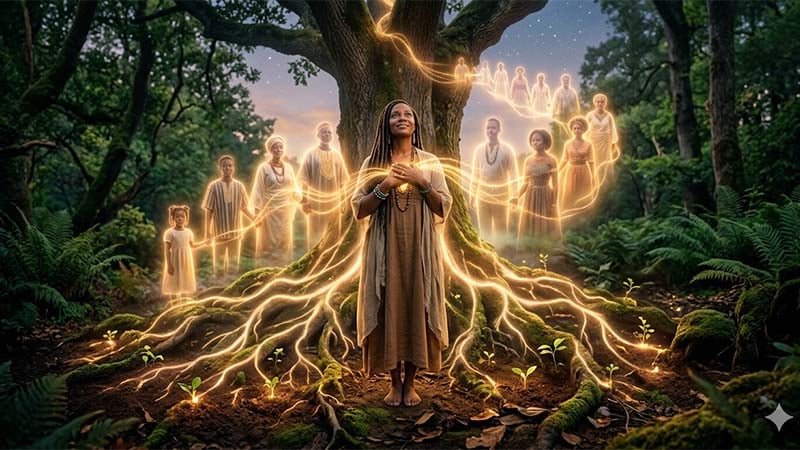
Ancestral Healing in Chronic Disease Care: Why BIPOC Communities Need Culturally Responsive Treatment
Chronic diseases like heart disease and diabetes are not affecting everyone equally. Black Americans between the ages of 18 and 49 are twice as likely to die from heart disease than their White counterparts. American Indians are twice as likely to develop diabetes. These are not random statistics — they reflect decades of systemic inequality baked into the healthcare system itself.
For many people in BIPOC communities, the problem is not just access to care. It is trust. And without trust, even the best clinical treatment plan can fall apart.
A growing body of evidence — and the lived experience of clinicians like Registered Dietitian and Certified Diabetes Care and Education Specialist Melinda Penny-Washington — points to a compelling solution: integrating ancestral healing practices into conventional chronic disease care.
The Roots of Distrust in Healthcare
To understand why so many BIPOC patients feel skeptical of the medical system, you have to look at history.
American medical research has a deeply troubling relationship with race. Enslaved Africans were subjected to non-consensual medical experiments that advanced science at the direct cost of their lives. The Tuskegee Study, which ran from 1932 to 1972, deliberately withheld syphilis treatment from hundreds of Black men — causing blindness, psychosis, and death. Thousands of women of color were sterilized under federal policy, often without their full knowledge or consent.
These are not ancient wounds. Their effects echo through communities today.
Bias in Modern Healthcare
More recent research confirms that systemic bias persists in contemporary medicine:
- A commercial algorithm used to predict patient care needs was found to systematically underallocate resources to Black patients by using healthcare cost as a proxy for illness severity — a measure that ignored racial disparities in access.
- Studies show that some White healthcare providers hold implicit biases, viewing Black patients as less adherent to treatment and Hispanic patients as less willing to take responsibility for their own care.
- During the COVID-19 pandemic, only 10% of dermatological images in medical journals depicted dark skin, making it harder to identify and treat skin-related COVID symptoms in patients of color.
These factors compound over time, eroding confidence and creating what researchers call treatment resistance — a barrier that conventional clinical models rarely address head-on.
A Different Approach: Culturally Responsive, Ancestry-Informed Care
Melinda Penny-Washington, RDN, CDCES, developed the Ancestral Wisdom Health Model after her own experience navigating the healthcare system as an African American woman with Irritable Bowel Syndrome. Despite multiple tests and medications, her providers never addressed stress or nutrition in a meaningful way. It was only by turning to Eastern mind-body practices, plant-based medicine, and ancestral food traditions that she began to heal.
That personal journey became the foundation for a clinical framework — one that honors where patients come from as a tool for getting them where they need to go.
The model works on a simple but powerful premise: when treatment feels familiar and culturally relevant, patients are more likely to engage with it, trust it, and stick to it.
This is what self-efficacy looks like in practice. It is not just a patient believing they can make changes — it is a patient making changes through a lens they already trust.
Reclaim Your Time. Master Your Focus.

Tchicaya Ellis Robertson, PhD, is hosting a live webinar on The Focus Formula — a data-driven system for doing your deepest, most productive work.
If your calendar runs you instead of the other way around, this session is for you.
You’ll learn:
- How to structure your day for maximum output using deep work principles
- Ways to integrate AI tools without losing your cognitive edge
- Time-mastery techniques top executives use to cut busy work for good
This is practical, actionable, and built for professionals who want real results — not more tips.
Spots are limited. Register now.
The Ancestral Wisdom Health Model: Four Pillars of Culturally Grounded Care
The model is built on four interconnected pillars, each designed to meet patients within their own cultural context.
1. Food as Medicine
Long before pharmaceuticals, communities around the world used plants, roots, herbs, and whole foods to heal. This pillar reconnects patients to that tradition while aligning with evidence-based nutrition therapy.
For a patient managing diabetes, carbohydrate counting can be taught through the lens of traditional grain dishes from their own culture. For someone with heart disease, the DASH diet can be presented using vegetables, legumes, and lean proteins that are already familiar on their family table. The nutritional science stays intact — but the delivery becomes personal.
2. Cultivating Cultural Rituals Around Eating, Movement, and Play
Rituals are repeated, intentional actions. When those actions are tied to healing, they become powerful habits.
This pillar encourages patients to reconnect with meaningful cultural practices around food and movement. Mindful eating — turning off screens, eating with others, engaging all the senses — mirrors rituals that many cultures already practice around mealtimes. Movement recommendations might include yoga, tai chi, line dancing, or salsa, depending on what resonates with the individual patient.
The goal is not to prescribe new behaviors, but to rediscover meaningful ones.
3. Nature Therapy
Emerging research consistently shows that time in nature supports cognitive health, emotional wellbeing, and recovery from stress-related conditions. This pillar draws on the psychology of ecosystems and practices like forest bathing to encourage patients to step outside — literally.
For communities where chronic disease is often compounded by chronic stress, nature therapy offers a low-barrier, culturally resonant alternative to harmful coping mechanisms like smoking or excessive alcohol use.
4. Belonging: The Power of Community and Reciprocity
This final pillar may be the most profound. It centers on the indigenous concept of reciprocity — the idea that each person, regardless of age or background, has a vital role in their community.
Research shows that feelings of belonging directly improve health outcomes. Using motivational interviewing, clinicians can help patients identify cultural, religious, or social communities where they feel included and purposeful. Penny-Washington has also implemented racial healing circles — safe spaces where BIPOC patients can process pain, build connection, and replace harmful stress responses with healthier rituals.
Case Study: Putting the Model Into Practice
One of the most compelling examples of the Ancestral Wisdom Health Model in action involves a first-generation South Asian woman who was pregnant and managing both gestational diabetes and preeclampsia. Her doctor told her to cut back on rice and bread — dietary staples she had eaten her whole life. She felt unseen, and her adherence suffered.
Working with Penny-Washington, she was encouraged to explore the traditional foods her Hindu mother had prepared throughout her childhood. Together they recreated culturally familiar meals that still met her medical nutrition needs. She shifted from eating mindlessly in front of a screen to sharing structured meals with family — a change that helped regulate her blood sugar. She added meditation in her garden, a practice she already knew from her upbringing. And she began volunteering in her religious community, which gave her a renewed sense of purpose and reduced her stress-related blood pressure.
The result: Her hemoglobin A1C dropped from a severely unhealthy range to a healthy range within six months. Her child was born full-term without major complications. Six months post-pregnancy, she was still maintaining the health practices she had reclaimed — because they were never truly foreign to her.
Recommendations for Clinicians Ready to Shift Their Practice
Integrating culturally responsive care does not require dismantling existing clinical protocols. It requires expanding them. Here are three concrete starting points:
Train for Cultural Humility
Healthcare providers should seek training in racial bias awareness, cultural sensitivity, and cultural humility. Understanding how racism shapes health outcomes is foundational to becoming an effective advocate for BIPOC patients.
Add Motivational Interviewing and Health Coaching Skills
Certified coaches trained in evidence-based motivational interviewing can meaningfully support behavioral change and treatment adherence. These techniques help providers work with patients to identify their own cultural healing context — rather than prescribing a one-size-fits-all approach.
Redesign Your Intake Process
Create intake questionnaires that ask about cultural practices, traditions, and ethnic identity alongside standard clinical questions. This simple step signals respect from the very first interaction and gives clinicians the information they need to build a truly personalized care plan.
Building a Healthcare System That Honors the Whole Patient
The Ancestral Wisdom Health Model is not a rejection of Western medicine. It is a bridge. It takes the evidence-based tools clinicians already use and roots them in the cultural soil where patients actually live.
As the American population grows more diverse, healthcare that ignores cultural identity is healthcare that will continue to fall short. Integrating ancestral wisdom into chronic disease management is one way to begin correcting generations of systemic inequity — one patient, one care plan, one healing circle at a time.
For clinicians, policymakers, and healthcare systems ready to act, this work starts with a willingness to listen differently, treat more holistically, and recognize that the path to better health outcomes for BIPOC communities runs directly through cultural trust.
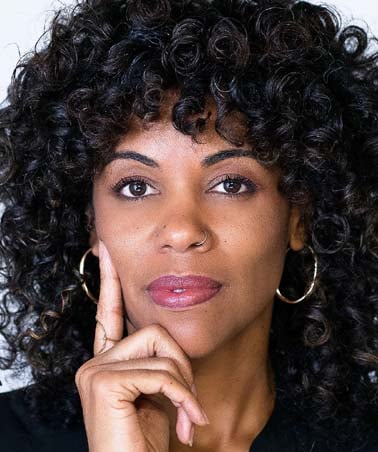
Melinda Penny-Washington is a Registered Dietitian (RDN) and Certified Diabetes Care and Education Specialist (CDCES) with over ten years of training and experience studying indigenous health practices across Africa, North and South America, and the Pacific Islands. Connect with her on LinkedIn.
#AncestralHealing
#HealthEquity
#BIPOCHealth