

New Year’s Traditions: Lucky Foods & Fun Rituals
As the clock strikes midnight on December 31st, people across the globe celebrate with unique customs. A fascinating new year’s tradition often involves specific foods and rituals that bring good fortune, wealth, and happiness. From slurping long noodles to wearing colorful underwear, these practices are steeped in history and symbolism. Let’s explore some of the most interesting New Year’s traditions that promise a prosperous year ahead.
Lucky Foods for a Prosperous New Year
Food is central to many celebrations, and New Year’s is certainly no exception. In fact, many cultures believe that eating certain foods as the year turns can directly influence your luck for the next 12 months.
Coins, Cash, and Cuisine
Many people eat traditional New Year’s foods because they resemble money, promising a year of wealth.
- Lentils & Legumes: In Italy and Spain, coin-shaped lentils are a staple on New Year’s Eve. Italians and Spaniards often eat a spoonful of these after midnight, a popular tradition that attracts financial prosperity. Similarly, in the Southern United States, families cook black-eyed peas with rice in a dish called Hoppin’ John to symbolize a wealth of pennies.
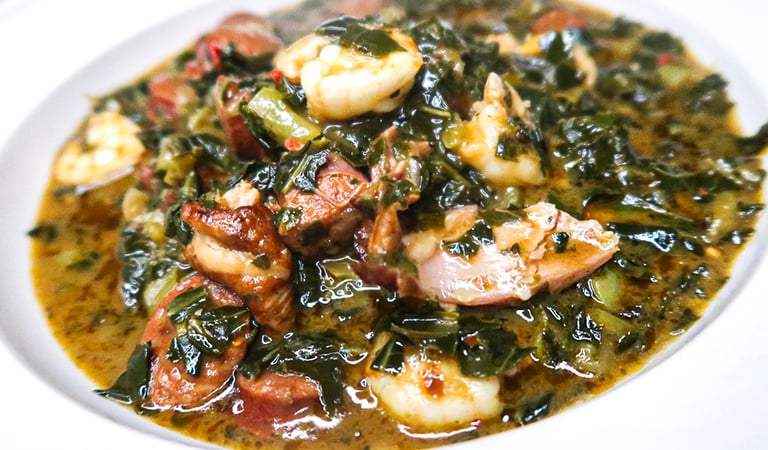
- Leafy Greens: Since the color of money is green, eating greens like collard greens, kale, and cabbage has become a New Year’s tradition in the American South and parts of Europe. Consequently, the more you eat, the more prosperity you invite.
- Round Fruits: In the Philippines and China, families customarily display and eat round fruits. The round shape signifies coins and the cycle of life. Furthermore, the number of fruits—often 12 or 13—corresponds to the months of the year, ensuring prosperity for each one. Grapes, oranges, and melons remain popular choices.
Foods for Progress and Longevity
Other foods symbolize moving forward and living a long, healthy life.
- Pork’s Forward Momentum: In Cuba, Germany, and Poland, pork serves as the centerpiece of the New Year’s meal. Locals consider pigs lucky because they root forward with their snouts, symbolizing progress and looking ahead. Therefore, a roast pig or pork sausage is a delicious way to set a positive tone for the coming year.
- Long Noodles for a Long Life: A key new year’s tradition in Japan involves eating toshikoshi soba, or “year-crossing noodles.” You must eat these long buckwheat noodles without breaking them to ensure a long and healthy life. Likewise, in China, people enjoy similarly long noodles for the same reason, representing longevity.
- Silver Fish for Abundance: In Scandinavia and Poland, pickled herring appears as a popular New Year’s dish. The fish’s silver skin reminds diners of coins, making it a symbol of wealth and bounty for the year to come.
Fun and Quirky New Year’s Traditions
Beyond the dinner table, many cultures practice unique rituals to ward off bad luck and welcome good fortune. These practices add an element of fun and community to the celebration.
Rituals for Good Fortune
- Spain’s 12 Grapes of Luck: As the clock chimes midnight in Spain, everyone races to eat 12 grapes—one for each chime. Each grape represents a month of the coming year. If you successfully eat all 12, you will enjoy a year of good luck. This tradition has subsequently spread to many other Spanish-speaking countries.
- Denmark’s Plate Smashing: Don’t feel alarmed if you find a pile of broken dishes on your doorstep in Denmark on New Year’s Day. Surprisingly, it’s a sign of affection! People save old plates and smash them on the doors of friends and family to wish them good luck. Thus, a large pile of broken china means you have a lot of loyal friends.
- Turkey’s Pomegranate Power: In Turkey, locals smash pomegranates on the ground at midnight. The more seeds that burst out and the farther they scatter, the more abundance and fertility the household will enjoy in the new year.
Setting Intentions for the Year Ahead
Some traditions focus on leaving the past behind and making wishes for the future.
- Colorful Underwear in Latin America: In Mexico and other Latin American countries, the color of your underwear on New Year’s Eve influences your fate. You should wear red to attract love and passion, while yellow or gold brings wealth and success. Additionally, green signifies well-being, and blue represents good health.
- Russia’s Drinkable Wish: A truly unique new year’s tradition in Russia involves writing a wish on a small piece of paper, burning it, and dropping the ashes into a glass of champagne. To ensure the wish comes true, you must drink the entire glass before the clock finishes its 12th chime.
- Estonia’s Feasts for Strength: In Estonia, locals believe that eating seven, nine, or twelve meals on New Year’s Day gives you the strength of that many men for the year ahead. These numbers are considered lucky, and while you don’t have to finish each meal, you should partake in each one for abundance.
For those interested in how storytelling shapes cultural practices, you might enjoy reading about The Power of Narrative in Cultural Traditions.
Embrace a New Tradition
Whether you eat lentils for wealth, smash plates for friendship, or slurp noodles for a long life, these global traditions remind us of our shared hopes for a bright future. They add layers of meaning and fun to the celebration, connecting us to history and to each other.
This year, why not try a new tradition? It could be a delicious way to bring a little extra luck into your life. For a deeper dive into global holiday customs, consider exploring the resources available from publications like National Geographic.
What are your favorite New Year’s traditions? No matter how you choose to celebrate, we wish you a happy, healthy, and prosperous new year.
#NewYearsTraditions #LuckyFoods #GlobalCustoms