

Articulated Insight – News, Race and Culture in the Information Age
International Women’s Day gives us a wonderful chance to celebrate the progress we have made toward gender equality. Furthermore, it helps us recognize the amazing women who guide our businesses. At the same time, we must look closely at what real progress means in everyday practice.
For years, we saw businesses rely on written statements of support and yearly awards. While these actions raise awareness, they do not automatically change career paths for the better. Therefore, the true test of a company’s promise is whether it builds real systems that create new chances to grow. We need clear structures that strengthen leadership paths and improve daily results for women everywhere.
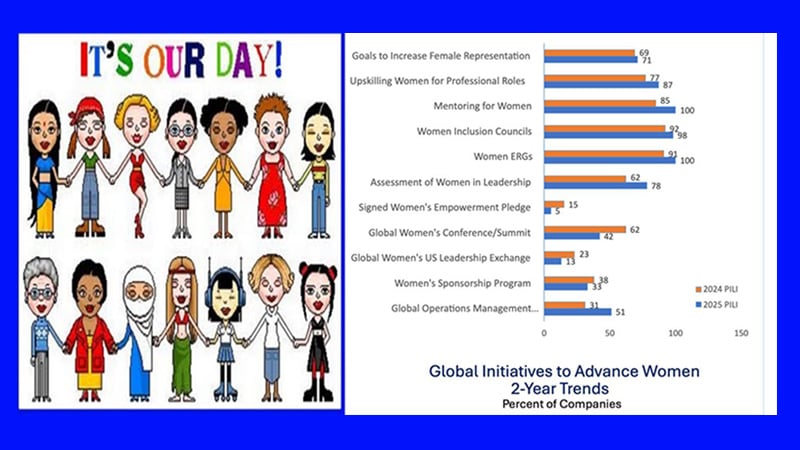
Recently, data shows a major shift in how global businesses handle this work. Specifically, they are moving away from simple gestures and focusing heavily on real, working systems. We can clearly see this in how they track fair pay, help people return to work, and prepare women for global roles.
Here is a closer look at the exact steps global companies use to help women succeed right now. If you want to dive deeper into broader topics, you can explore News, Race and Culture in the Information Age.
Moving Beyond the Pledge: Systems Over Symbolism
Public promises and big global meetings create great news stories. However, they do not change the daily reality of moving up in a career. Recent data shows that companies are finally learning this important lesson. Consequently, they are placing much less focus on event-based choices. Instead, they are spending their time and money on real talent systems built directly into the workplace.
Why Internal Action Matters More Than Words
We are seeing a clear drop in outside activities like public pledges and big global conferences. Meanwhile, internal support systems are growing much stronger. For instance, companies are expanding Women Employee Resource Groups (ERGs) and helpful mentoring programs. Additionally, they are increasing their focus on training women for professional roles and checking their readiness for top jobs.
These steps matter deeply. Above all, they show a real promise to fix business systems rather than just putting out public messages. Inclusion councils, leadership checks, and professional growth programs act as active tools. As a result, they directly change whether women get the support they truly need to step into larger, more important roles.
Key Initiatives Driving Measurable Progress
Leading groups are taking a highly focused approach to helping women advance. They look at specific, clear steps that create a proven path to success.
Structured Sponsorship for Career Growth
Mentorship offers great advice, but sponsorship actually opens new doors. One major goal for global companies right now is making sponsorship a core business system rather than just a casual chat.
This means making executive sponsorship an official rule. Companies now assign specific sponsors to individuals and run formal checks on their progress. Furthermore, they link clear results to promotion rates, challenging tasks, and leadership readiness. For women moving from middle management into top executive roles, this formal sponsorship is absolutely vital. Ultimately, it makes sure they get the spotlight and backing needed to move up.
Pay and Promotion Equity
We cannot talk about helping women advance without talking about fair pay. Today, companies build pay and promotion checks directly into their daily work routines.
Instead of relying on random or yearly reviews, businesses constantly watch their pay scales. They track promotion lists, work ratings, and job offer patterns all year long. This marks a massive and important change. Because of this, we are moving away from rare checks and moving toward daily, ongoing fairness.
Career Re-entry and Returnships
Life happens, and careers sometimes need to pause. Global businesses now realize they must build return programs for parents and caregivers. These helpful programs allow professionals to return to the workforce smoothly after a long break.
Return programs give people a fresh chance to work. In addition, they help companies find highly skilled talent once again. This is especially true in technical fields where finding good workers is often tough. By welcoming back skilled professionals, companies strengthen their teams and support women dealing with complex life changes.
Supporting Women in Modern Workspaces
The way we work has changed in huge ways. Because of this, companies must adjust their growth plans to fit modern, flexible work spaces.
Hybrid Work and Fair Visibility
We absolutely must protect women’s growth in hybrid and global work setups. In companies spread across the world, informal face time easily becomes unfair face time. When bosses only reward the people they see in the office every day, remote workers quickly fall behind.
To fix this problem, companies are creating fair rules for giving out tasks. For example, they share high-profile chances equally and build fair meeting rules across different time zones. Moreover, they train managers to stop favoring people just because they sit nearby. These simple rules make sure everyone gets a fair shot, no matter where they open their laptop.
Prioritizing Well-being and Mental Health
Moving up in a career is not just about getting hired or promoted. It is also about staying healthy enough to keep working. Burnout, heavy workloads, and a lack of safety push many women out of the leadership line.
Paying attention to women’s health and well-being shows real maturity in a business. Companies now treat mental health support, caregiver benefits, and flexible time off as vital parts of keeping their best workers. They are not just extra perks anymore. If we want women to do well and stay on the leadership path, well-being must sit right at the center of the plan.
Expanding Opportunity Across the Pipeline
Helping women advance globally means making changes across the entire workforce. We cannot just focus our efforts on the very top executive levels.
Tech, AI, and Nontraditional Roles
Companies are putting serious effort into helping women grow in non-traditional fields, including science, operations, and factory work. Through smart partnerships with technical schools and training programs, businesses give more people the chance to grab high-demand jobs.
Technology plays a massive role in this new plan. Specifically, companies use smart computer systems to match women with fresh job openings inside the business. However, they also carefully check these computer systems for unfair rules in hiring, grading, and paying. As digital tools make more choices about our jobs, making sure those tools are fair becomes incredibly important.
Intersectional Talent Outcomes
We must clearly understand that women do not all face the same roadblocks. The sharpest drops in career growth often happen mid-career and affect women of color or those with overlapping challenges most heavily.
Because of this, companies are looking beyond simple averages. They want to see how career results change based on race, background, disability, caregiver status, and location. By focusing on these overlapping details, businesses can build much better, more helpful support systems for every single woman.
The Broader Impact on Global Leadership
The global numbers tell a very clear story. Global companies continue to help women move up, and they do so through highly planned, clear actions.
Even when outside politics make people nervous about using certain words, the actual work marches on. The business reasons remain incredibly strong. You simply cannot build strong leadership teams, create fresh ideas, or win in global markets if you ignore half of the people in the world.
This major shift from public talking to internal doing really matters. Above all, it proves that real progress relies on spending time and money on actual workplace systems.
As we look toward the future, businesses must keep making these systems better. Take a hard look at your own company’s setup. Are you relying on empty promises, or are you building the working tools needed for real change? Check your sponsorship programs, look at your promotion data, and make sure your remote workers get a fair chance to shine. By taking these clear steps, we can all build a better, fairer global workforce.
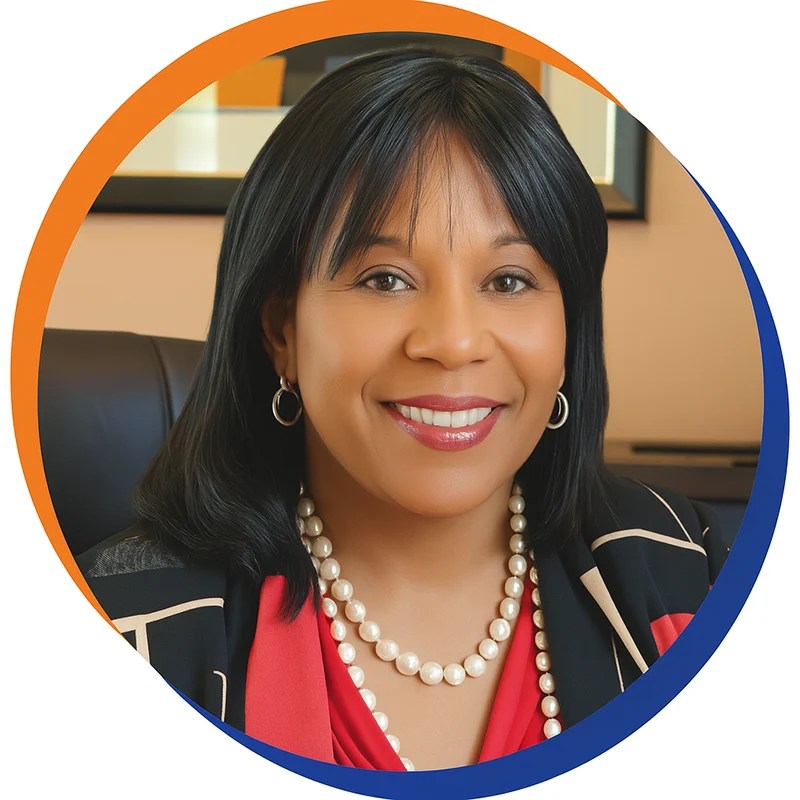
Pam McElvane, CEO, Author & Publisher, Promena Media
CEO | Master Coach | Board Governance Expert | Data Scientist | Strategist | Publisher
Pamela McElvane, MBA, MA, MCPC, is the CEO and founder of P&L Group, Ltd which has 3 key brands: Promena, 3I Research Institute & Diversity Learning Solutions, headquartered in Chicago, IL. Ms. McElvane has spent more than 25 years working with large and midsize companies providing insights and best practices, leadership and executive coaching, strategy, and organizational management.
About Promena (A P&L Group Brand)
Promena.Set the Standard (previously Diversity MBA) is a media, leadership, learning, research, and insights company dedicated to setting the standard for inclusion, equity, and performance. Through data-driven benchmarks, executive education, and thought leadership, Promena helps organizations turn inclusion from aspiration into a measurable business capability.
About Promena Insights
Promena Insights is the research and analytics division of Promena. It develops proprietary indices, benchmarks, and frameworks—including the Inclusive Leadership Index™ (ILI) and the Industry Inclusion Index (I³)—to measure inclusion maturity and guide evidence-based strategy for organizations and industries.
Contact for public speaking, coaching and leadership training opportunities:
833-362-2100 ext. 700 (Main)
#WomenInLeadership #WorkplaceEquity #CareerAdvancement