


Articulated Insight – “News, Race and Culture in the Information Age”

Adapt, Innovate, Lead: Essential Skills for Future-Ready Leadership
The idea of Future Ready Leadership has shifted from a forward-thinking concept to a modern-day requirement. In an environment marked by continuous economic, technological, and cultural shifts, tomorrow’s leaders are not just waiting for the future; they are actively shaping it. This new era demands a different kind of leadership in the digital age, one that moves beyond traditional management to embrace a more dynamic, adaptive style. Consequently, this discipline is built on purpose, refined by a deep understanding of both data and people, and characterized by the courage to innovate amid ongoing change.
The contemporary workplace presents unique challenges, from rapid technological advancements to major policy changes. Leaders must navigate this complexity while also promoting growth and stability. Ultimately, the key to success is developing specific traits that enable them to thrive, not just survive. These leaders are responsibly and inclusively prototyping the future, transforming their organizations from within. This article explores the vital skills that define a future-ready leader and offers a guide for cultivating these capabilities in your own management in business.
The Core Pillars of Adaptive Leadership

At its core, future-ready leadership is fundamentally about adaptability. It necessitates a significant change from rigid, hierarchical structures to a more fluid and responsive approach. This means being able to pivot strategies, redesign playbooks in real-time, and empower teams to handle uncertainty with confidence.
Fluency in Data and People
One of the most essential skills for a leader today is the ability to be fluent in two languages: data and people. This dual fluency is critical for navigating the modern business landscape.
- Data Fluency: Relying on gut feelings for decision-making is no longer sufficient. Instead, future-ready leaders use data to guide strategy and enhance team performance. They leverage analytics to understand market trends, measure their impact, and make well-informed choices. For instance, knowing that the U.S. Latino GDP has exceeded $4 trillion allows leaders to make data-driven decisions that engage this significant economic force, rather than depending on outdated assumptions.
- People Fluency: While technology and data are powerful, they are merely tools used by people. Therefore, a leader who is fluent in people understands the complexities of human motivation, collaboration, and well-being. They foster psychological safety, advocate for diversity, and build a culture where every team member feels respected and valued. This human-centric approach transforms a group of individuals into a high-performing, unified team.
From Guesswork to Precision: A New Leadership Mandate
Transformative leadership involves a shift from guesswork to precision. It’s about understanding the fundamental drivers of performance and engagement. Research indicates that simple, targeted interactions can greatly affect employee morale; for example, some digital tools have been shown to shift users from “stressed” to “happy” in under three minutes. This illustrates a key principle: small, deliberate actions can lead to substantial results. Leaders who grasp this can create environments where teams are not only productive but also genuinely engaged and fulfilled.
Forging Ahead with Inclusive Leadership
A crucial element of future-ready leadership is a profound commitment to inclusion. Organizations that prioritize inclusion with the same determination they apply to technology will consistently outperform their competitors. In other words, inclusive leadership is not a separate initiative but is woven into the very fabric of the organization’s strategy and culture.
The Five Anchors of Inclusive Leadership
To make inclusion a tangible reality, leaders can anchor their efforts in five key principles. These pillars guide decision-making and ensure that diversity, equity, and inclusion (DEI) are more than just buzzwords.
- Valuing Diverse Perspectives: Actively seeking out and listening to different viewpoints.
- Treating People with Respect: Ensuring every interaction is grounded in dignity.
- Commitment to Belonging: Creating an environment where everyone feels they are part of the team.
- Testing for Inclusive Assumptions: Challenging personal and organizational biases before making decisions.
- Ethical and Values-Driven Actions: Aligning all leadership actions with a strong moral compass.
Data from the Promena ILI study shows that leaders in some companies excel in these areas, with employees reporting satisfaction rates in the 90-100% range for feeling respected and valued. This should be the standard for all organizations. For more insights on building a strong company culture, you can explore related topics at The Narrative Matters.
The Collaboration Advantage
When inclusion is prioritized, true collaboration thrives, and this “collaboration advantage” becomes a major competitive edge. Teams that are diverse and inclusive are more innovative, better at problem-solving, and more connected to a broader customer base. Leaders who cultivate this environment unlock a level of creativity and performance that homogenous teams cannot match. This involves intentionally creating spaces for cross-functional teamwork and rewarding collective success over individual achievement.
Practical Steps to Become a Future-Ready Leader
Becoming a future-ready leader is a continuous journey, not a final destination. It demands self-awareness, dedication, and a readiness to learn and adapt.
Install a High-Leverage Habit
Start small by picking one habit to focus on for the next 90 days. Choose a simple, high-leverage ritual that reinforces the principles of future-ready leadership. For example, you could practice “inclusive assumption testing” by asking, “What perspectives might we be missing?” at the start of every major project meeting. This small adjustment can create a ripple effect, fostering more thoughtful and inclusive decision-making throughout your team.
Commit to Lifelong Learning
The skills required of a leader are not static. The rapid pace of change requires a commitment to continuous learning. Therefore, stay informed about emerging technologies like AI, evolving economic trends, and new research in organizational psychology. For those interested in leveraging technology ethically, the AI for Good Global Summit is a valuable external resource that explores how AI can be used to advance positive change.
By embracing these mindsets and developing these critical skills, you can become a leader who doesn’t just react to the future but actively shapes it. Ultimately, Future Ready Leadership is the new standard for success, providing a pathway to build resilient, innovative, and deeply human organizations capable of thriving in 2026 and beyond.
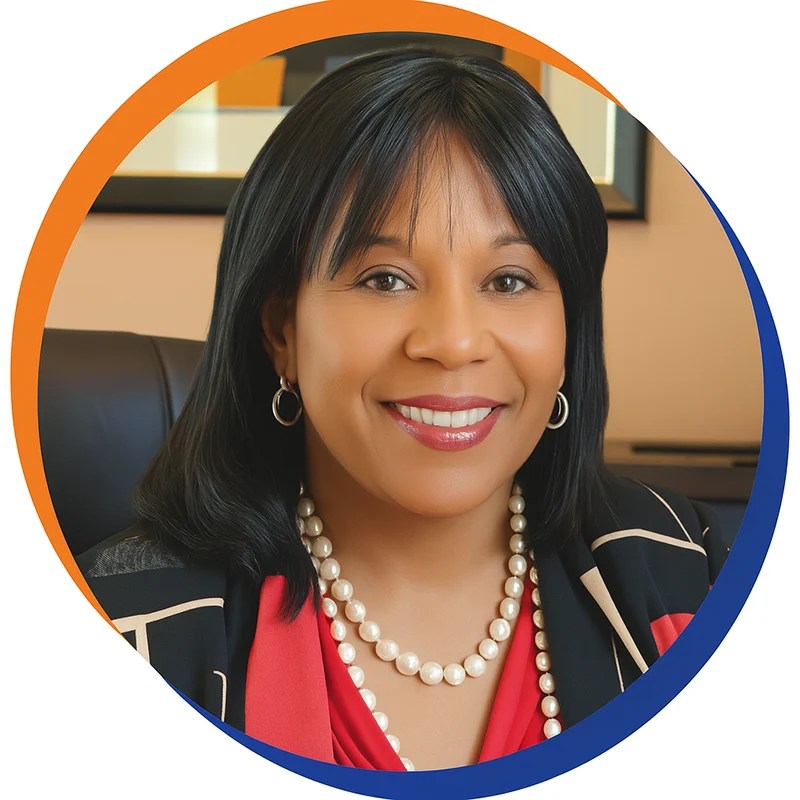
Pam McElvane, CEO, Author & Publisher, Promena Media
CEO | Master Coach | Board Governance Expert | Data Scientist | Strategist | Publisher
Pamela McElvane, MBA, MA, MCPC, is the CEO and founder of P&L Group, Ltd which has 3 key brands: Promena, 3I Research Institute & Diversity Learning Solutions, headquartered in Chicago, IL. Ms. McElvane has spent more than 25 years working with large and midsize companies providing insights and best practices, leadership and executive coaching, strategy, and organizational management.
About Promena (A P&L Group Brand)
Promena.Set the Standard (previously Diversity MBA) is a media, leadership, learning, research, and insights company dedicated to setting the standard for inclusion, equity, and performance. Through data-driven benchmarks, executive education, and thought leadership, Promena helps organizations turn inclusion from aspiration into a measurable business capability.
About Promena Insights
Promena Insights is the research and analytics division of Promena. It develops proprietary indices, benchmarks, and frameworks—including the Inclusive Leadership Index™ (ILI) and the Industry Inclusion Index (I³)—to measure inclusion maturity and guide evidence-based strategy for organizations and industries.
Contact for public speaking, coaching and leadership training opportunities:
833-362-2100 ext. 700 (Main)
#Leadership2026 #FutureReady #InclusiveLeadership