
Juneteenth history is an undeniable truth in American history that cannot be erased, representing both the sorrow and celebration of delayed freedom. While the Emancipation Proclamation legally declared freedom in 1863, it wasn’t until June 19, 1865—when Major General Gordon Granger delivered General Orders No. 3 in Galveston, Texas—that more than 250,000 enslaved Black people finally learned they were free.

Articulated Insight – “News, Race and Culture in the Information Age”
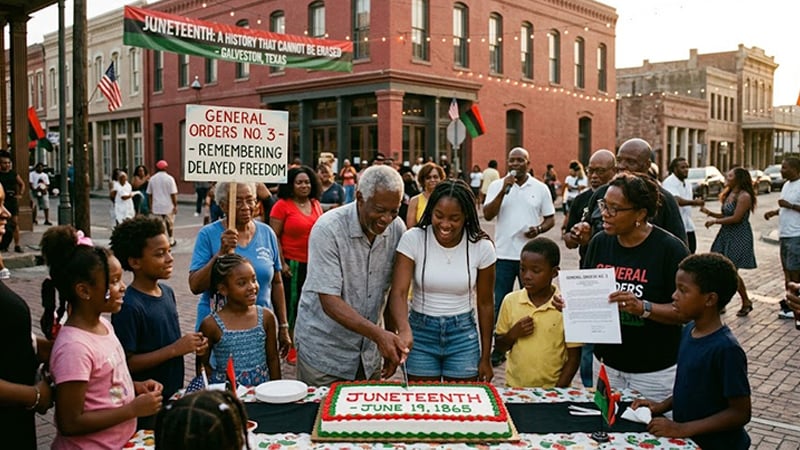
There are some words that carry far more weight than their spelling implies. Juneteenth history represents one of those profound moments.
Technically, Juneteenth is a portmanteau—a word that creators made by joining “June” and “nineteenth” together. For African Americans, however, looking back at Juneteenth history serves as a sacred act of memory, testimony, and community. This unique date holds a complex blend of both sorrow and celebration. Ultimately, it reminds us that authorities declared freedom long before they actually delivered it, proving that even when forces delayed liberation, they could not deny it forever.
The Delayed Reality of Freedom: June 19, 1865
On January 1, 1863, President Abraham Lincoln officially issued the Emancipation Proclamation. On paper, this historic document declared enslaved people in Confederate states to be free. However, the historic news did not arrive with any sense of urgency in Galveston, Texas, or in other remote areas. Because distance, power, and local defiance protected the institution of slavery, justice traveled agonizingly slow. Consequently, the truth failed to arrive as quickly as the human soul deserved.
Indeed, more than two and a half years passed before Major General Gordon Granger finally arrived in Galveston with Union troops. On June 19, 1865, he publicly read General Orders No. 3.
The Impact of General Orders No. 3: This crucial order announced that the law of the land had changed and that enslaved people in Texas were officially free. As a result, more than 250,000 enslaved Black people finally received the word, cementing a pivotal moment in Juneteenth history.
When we reflect on that two-and-a-half-year delay, the true weight of the injustice becomes clear:
- First, captors stole an additional two and a half years of human life.
- Furthermore, systems unlawfully extracted two and a half years of uncompensated labor.
- In addition, oppressors maintained forced control over thousands of families.
- Finally, the nation completely denied these individuals the basic truth of their own freedom.
Why the Meaning of Juneteenth Matters to American History
For these reasons, uncovering the true meaning of Juneteenth matters deeply today. It is not simply a “Black holiday.” On the contrary, it is an undeniable American truth.
This history uncovers a narrative that tells us something uncomfortable but necessary: freedom in this country has consistently traveled through a gauntlet of resistance, delay, forced enforcement, and courage. Above all, it required the relentless insistence of Black people who refused to let the nation forget its moral debts.
The Many Names of Liberation
Over the generations, communities have called this foundational moment in Black liberation history by many names. Each title highlights a distinct part of the narrative:
- Jubilee Day: This name speaks directly to the ultimate, unyielding joy of the people.
- Freedom Day / Liberation Day: These terms emphasize both the release from bondage and the ongoing societal struggle.
- Emancipation Day: This title points directly to the legal decree itself.
- Juneteenth: This word speaks to us in our own organic language. It originated directly from newly freed Black Texans who blended June and nineteenth to forge a term that belonged entirely to them.
Clearly, this demonstrates the true power of culture. We do not just passively receive history; rather, we actively name it, carry it forward, and build vibrant communities around it.
The Futility of Erasing Black Liberation History
Naturally, African Americans know the true meaning of Juneteenth deep within their bones. We understand intimately what it means to receive the announcement of freedom late. We know the pain of seeing society use our labor, minimize our stories, borrow our genius, politicize our pain, and treat our contributions as optional chapters in the American playbook.
Because of this resilience, any systemic effort to wipe us from the history books will fail. It will not work now, nor will it ever work in the future.
Regardless of how much any political administration attempts to narrow, soften, revise, or remove the full story of Black people in America, the truth of Juneteenth history remains written in too many permanent places to be erased. It is indelibly written in:
- The very fields our ancestors worked and the successful businesses they opened.
- The churches, schools, and neighborhoods they built and sustained against all odds.
- The songs they composed, the books they authored, and the civil rights movements they led.
Ultimately, you cannot erase a people who masterfully turned pain into strategy, mourning into a movement, and delayed freedom in Texas into a celebrated national holiday.
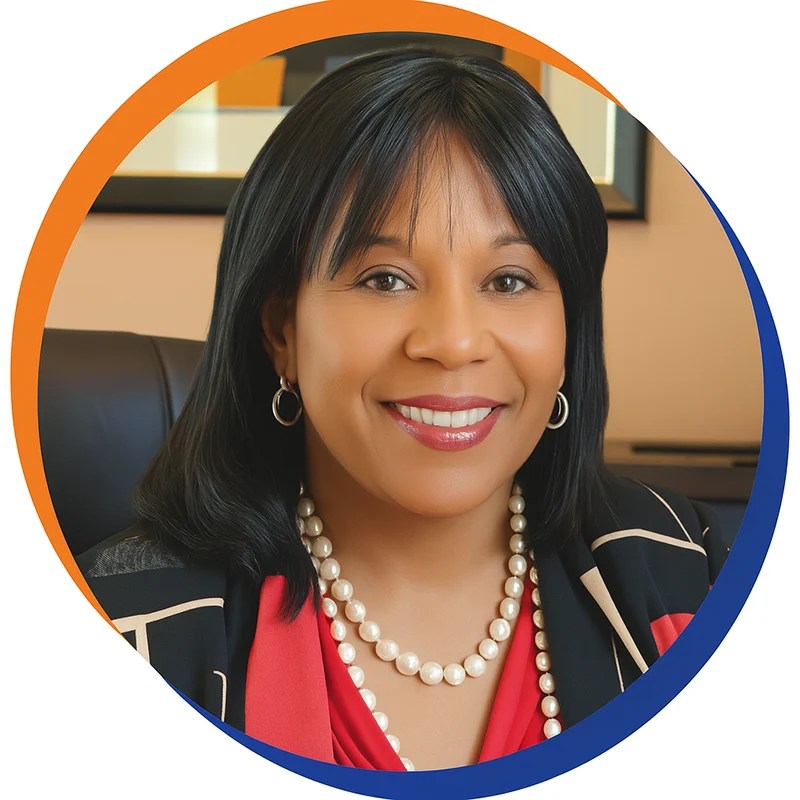
Pam McElvane, CEO, Author & Publisher, Promena Media
CEO | Master Coach | Board Governance Expert | Data Scientist | Strategist | Publisher
Pamela McElvane, MBA, MA, MCPC, is the CEO and founder of P&L Group, Ltd which has 3 key brands: Promena, 3I Research Institute & Diversity Learning Solutions, headquartered in Chicago, IL. Ms. McElvane has spent more than 25 years working with large and midsize companies providing insights and best practices, leadership and executive coaching, strategy, and organizational management.
About Promena (A P&L Group Brand)
Promena.Set the Standard (previously Diversity MBA) is a media, leadership, learning, research, and insights company dedicated to setting the standard for inclusion, equity, and performance. Through data-driven benchmarks, executive education, and thought leadership, Promena helps organizations turn inclusion from aspiration into a measurable business capability.
About Promena Insights
Promena Insights is the research and analytics division of Promena. It develops proprietary indices, benchmarks, and frameworks—including the Inclusive Leadership Index™ (ILI) and the Industry Inclusion Index (I³)—to measure inclusion maturity and guide evidence-based strategy for organizations and industries.
Contact for public speaking, coaching and leadership training opportunities:
833-362-2100 ext. 700 (Main)
#JuneteenthHistory #BlackHistoryIsAmericanHistory #DelayedFreedom