
ow AANHPI representation in film and television has grown, while also asking who gets to tell these stories. Hollywood has expanded visibility, but authentic roles, writers, and lead opportunities are still often created by AANHPI communities themselves.

Articulated Insight – “News, Race and Culture in the Information Age”

June has always been a time for celebration—and not only because I know and love so many Geminis. As a child, it meant the start of summer vacation and all the sun-warmed adventures that came with it.
As I grew older and learned more about the multicultural celebrations the month holds, I was glad to have even more reasons to celebrate and acknowledge the people and communities I love.
At the same time, I was frustrated by how late in life I came to recognize these celebrations and the roles these communities played within them. I am referring, of course, to Juneteenth and Pride Month.
At first glance, these two observances do not appear to have much in common beyond sharing the same month. Yet the more I think about them, the more I see a common thread: the way Black Americans are often treated as footnotes in our history, even as they help define the culture and progress of our nation.
Juneteenth: Freedom Delayed, but Not Forgotten
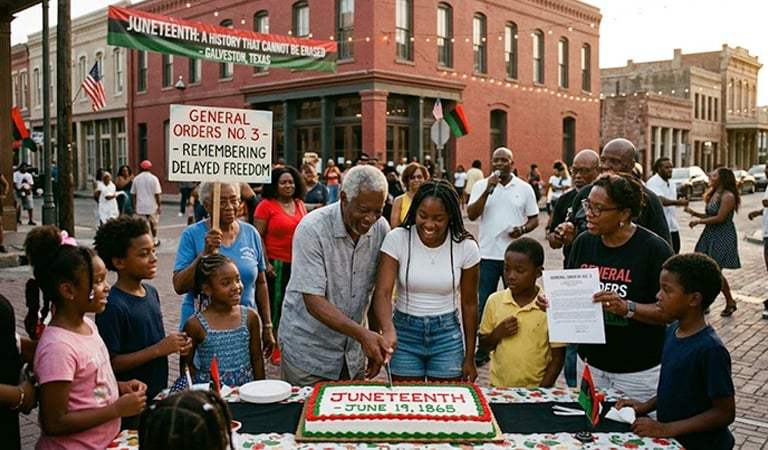
Juneteenth commemorates June 19, 1865, the day enslaved African Americans in Galveston, Texas, were finally informed of their freedom. This happened more than two years after the Emancipation Proclamation was signed. Until recent years, the holiday was primarily recognized within Black communities, particularly in the South, as a celebration of emancipation and freedom.
It is a joyous holiday and one worthy of national recognition. The year 1865 marked the beginning of Reconstruction, a period in which the United States attempted to redefine itself after the Civil War.
Yet alongside the celebration remains a sense of bitterness—not only toward the injustice of slavery itself, but toward the additional 730 days during which enslaved people in Confederate states continued to endure the indignity and dehumanization of bondage despite having been legally declared free.
For those 730 days, their rights to life, liberty, and the pursuit of happiness were denied. Even after emancipation, Juneteenth remained largely absent from the national consciousness for generations. America’s second Independence Day went unrecognized by much of the country for far too long.
Pride Month: Beyond the Rainbow Commercialism
Pride Month traces its origins to June 28, 1970, when activists organized the Christopher Street Liberation Day March in New York City. The march commemorated the first anniversary of the Stonewall Riots, a series of demonstrations and clashes with police that began on June 28, 1969, at the Stonewall Inn. The first official nationwide recognition of Pride Month came in 1999, when President Bill Clinton proclaimed June “Gay and Lesbian Pride Month.”
Today, Pride encompasses the many identities represented within the LGBTQ+ community and is celebrated across the country. Growing up in New York City, I saw Pride largely through its public-facing symbols:
- Rainbow merchandise
- Massive city parades
- Prominent LGBTQ+ celebrities
Many of those figures were White or white-passing actors, singers, and television personalities. While their visibility mattered, their stories often felt distant from the queer communities I knew and from the activists who sparked the movement itself.
The Black and Latine Roots of LGBTQ+ Liberation
It was not until college, through courses in Women, Gender, and Sexuality Studies, that I learned more about the true history behind Pride and the Stonewall Riots. I was introduced to revolutionary figures such as:
- Marsha P. Johnson: A Black transgender activist whose bold advocacy helped shape the modern LGBTQ+ rights movement.
- Sylvia Rivera: A Latina transgender activist who fought tirelessly for the most marginalized members of the queer community.
William Dorsey Swann: The First Drag Queen
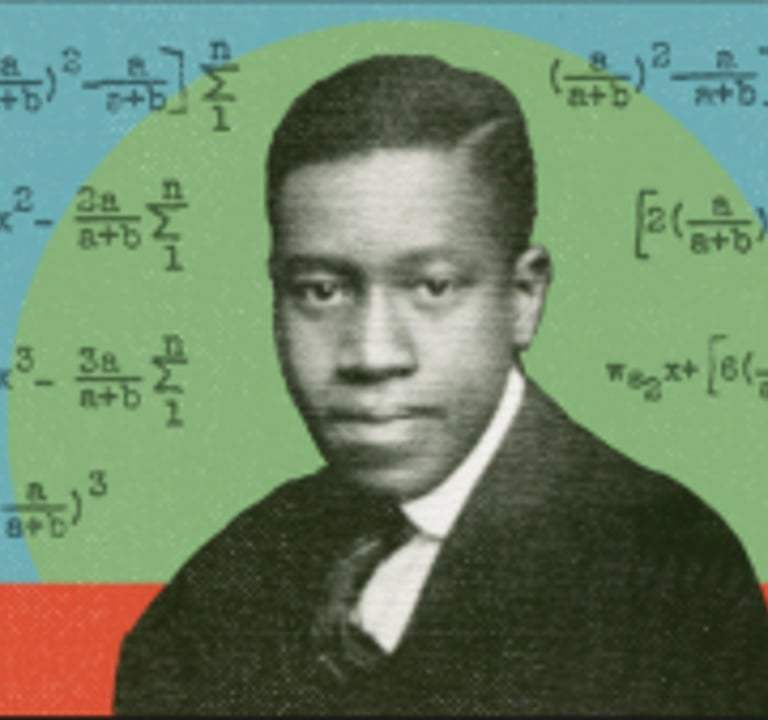
I also learned about William Dorsey Swann, a figure who remains far less well known. Born into slavery in Maryland before the Civil War, Swann later moved to Washington, D.C., where he encountered the annual Emancipation Day Parade celebrating the end of slavery in the nation’s capital.
The parade featured crowned Black women known as “queens,” symbols of newfound freedom and dignity. Inspired by these celebrations, Swann adopted the title of “queen” for himself at the secret dances he organized with friends—events they referred to as “drags.” Today, he is recognized by many historians as the first person known to describe himself as a drag queen.
Who Gets Remembered and Why It Matters
The stories we choose to tell shape our understanding of who built our communities, movements, and nation. Too often, Black Americans have been excluded from those stories, even when they stood at the center of history.
- Juneteenth reminds us that freedom delayed is freedom denied.
- Pride reminds us that many of the movement’s earliest and most courageous activists were people of color whose contributions were long overlooked.
As we celebrate both observances this June, we should do more than honor the holidays themselves. We must commit to remembering the people behind them, especially those whose names are being written out of the history books.
Recognition is not merely about the past; it is about ensuring that future generations inherit a fuller, more honest understanding of how progress is made.

About Future Ready Voices:
GenZ Future Ready Voices: GenZ is a dynamic blog spotlighting the insights, values, and evolving expectations of younger generations shaping today’s workplace and the broader world. It explores how emerging professionals think about leadership, purpose, inclusion, and innovation—offering a forward-looking lens on what comes next. While grounded in the perspectives of Gen Z and Millennials, the blog is designed for anyone willing to challenge assumptions and embrace new ideas. It creates a space where fresh thinking meets experience, encouraging meaningful dialogue across generations and inspiring leaders, organizations, and individuals to adapt, grow, and lead with greater awareness in a rapidly changing world.
Answer First Summary: June stands as a powerful intersection of freedom and identity through Juneteenth and Pride Month. While outwardly distinct, both movements share a common foundation deeply rooted in the fight for Black liberation, civil rights, and the overcoming of historical marginalization.
#Juneteenth #PrideMonth #BlackHistory